

Black Layer in Turfgrass Soils
Healthy plants depend on a balanced, biologically active soil environment that supports strong root development and nutrient uptake.
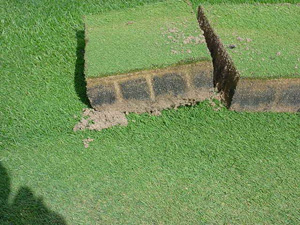
When soil becomes compacted, saturated, or poorly aerated, oxygen levels in the root zone can decline. In turfgrass systems, these conditions may contribute to the development of a problem commonly known as black layer.
What Causes Black Layer?
Black layer is often associated with anaerobic or low-oxygen soil conditions.
Excessive irrigation, poor drainage, soil compaction, and prolonged saturation can limit oxygen movement through the soil profile. When oxygen becomes depleted, anaerobic conditions may develop within the root zone.
These conditions can negatively affect:
-
Root growth
-
Nutrient availability
-
Soil microbial balance
-
Water movement
-
Turfgrass vigor
Overwatering can make the problem worse by keeping the upper soil profile saturated for extended periods.
Protecting the Turfgrass Root Zone
Maintaining proper irrigation, drainage, aeration, and soil structure can help create a healthier environment for turfgrass roots.
A well-aerated root zone supports beneficial microbial activity and allows roots to access the oxygen, water, and nutrients needed for healthy turf development.
Other Causes of Black Layer
Black layer can also develop when soil is affected by environmental stressors such as hydrocarbon contamination, chemical spills, poor drainage, or prolonged oxygen depletion.
Under these conditions, aerobic microorganisms in the soil can become stressed or less active. As oxygen levels decline, anaerobic conditions may develop within the root zone.
The dark or black appearance associated with black layer is often linked to reduced sulfur compounds and other chemical changes that occur under low-oxygen conditions.
Restoring Aerobic Soil Conditions
When an anaerobic zone begins to develop, two problems must be addressed:
-
Correct the condition causing oxygen depletion, such as overwatering, compaction, poor drainage, or contamination.
-
Restore a healthier biological environment that supports aerobic microbial activity and root development.
The goal is to improve soil conditions throughout the active root zone so oxygen, water, nutrients, and beneficial microorganisms can function more effectively.
Hydrocarbon-Contaminated Soils
When black layer or poor soil conditions are associated with an oil, gasoline, or other hydrocarbon spill, remediation must also address the contaminant itself.
Simply moving or dispersing hydrocarbons does not eliminate the contamination.
Where conditions are appropriate, biological remediation can help microorganisms break down biodegradable hydrocarbon compounds over time.
Successful treatment may require managing:
-
Oxygen availability
-
Soil moisture
-
Nutrient balance
-
pH
-
Microbial populations
-
Contaminant concentration
-
Soil structure
Improving these conditions can support microbial activity and help the root zone recover.
Supporting Soil Biology and Nutrient Balance
A healthy soil-management program should support both microbial diversity and balanced plant nutrition.
BioLynceus® programs are designed to support biological soil activity while improving conditions for the remediation of certain organic contaminants.
Potential objectives include:
-
Supporting beneficial soil microorganisms
-
Improving nutrient cycling
-
Reducing soil compaction
-
Increasing soil aggregation and porosity
-
Improving oxygen movement through the root zone
-
Supporting root development
-
Improving overall soil health
Improving Soil Structure
Compacted soils restrict air movement, water infiltration, and root growth.
Improved soil aggregation, or flocculation, can create larger pore spaces that allow water and oxygen to move more effectively through the soil profile.
Supporting soil structure and biological activity together can help create a healthier environment for roots and beneficial microorganisms.
Restoring Soil and Plant Health
Soils can become biologically stressed when nutrients, oxygen, organic matter, or microbial activity fall out of balance.
BioLynceus® soil-management programs are designed to support the soil food web, root-zone health, and biological recovery of stressed soils.
By addressing both the underlying cause of anaerobic conditions and the biological health of the soil, turf managers can create better conditions for long-term plant growth and recovery.