
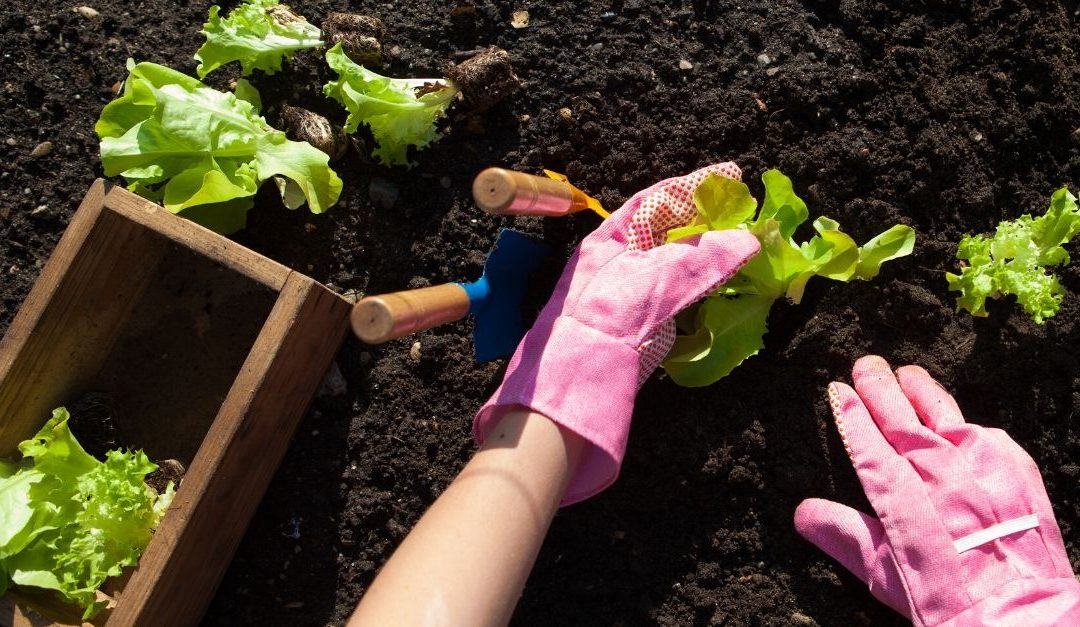
Healthy Soils: Farm the Soil, Not the Plant
After more than 26 years working as an environmental consultant, I have learned an important lesson about soil and water management: healthy plants begin with a healthy living ecosystem beneath the surface.
Whether you are maintaining a residential lawn, managing a golf course or sports field, growing a home garden, or producing commercial crops, the same principle applies.
At BioLynceus®, our philosophy is simple:
“Farm the soil, not the plant.”
By improving the biological, physical, and chemical health of the soil, growers can create better conditions for strong roots, efficient nutrient cycling, and resilient plant growth.
What Is Healthy Soil?
Healthy soil is more than sand, silt, and clay.
It is a complex living ecosystem containing:
-
Mineral particles
-
Organic matter
-
Humus
-
Plant roots
-
Bacteria
-
Fungi
-
Protozoa
-
Nematodes
-
Other soil organisms
Together, these components form what is commonly known as the soil food web.
The biological portion of this system plays an important role in nutrient cycling, organic matter decomposition, soil structure, and plant health.
Microorganisms and Plant Nutrition
Microorganisms can be thought of as part of the plant's underground digestive system.
Soil bacteria and fungi break down organic material and transform nutrients into forms that may become more available to plant roots.
Plants support these microorganisms in return.
Through photosynthesis, plants produce carbon-rich compounds and release some of them into the root zone as root exudates.
These compounds provide food for microorganisms living in the rhizosphere—the narrow region of soil surrounding plant roots.
This creates a mutually beneficial relationship:
-
Plants provide carbon compounds to soil microorganisms
-
Microorganisms help cycle nutrients
-
Roots gain access to a biologically active soil environment
-
Organic matter is continually transformed and recycled
The Rhizosphere Is a Biological Hotspot
Microbial populations are often much more concentrated around living plant roots than in soil farther away.
This biologically active root zone is known as the rhizosphere.
The rhizosphere is important because it is where many interactions occur among plant roots, bacteria, fungi, nutrients, water, and organic compounds.
Maintaining biological activity in this zone can support healthier roots and more efficient plant growth.
Signs of Unhealthy Soil
When soil becomes biologically inactive, compacted, poorly drained, or chemically imbalanced, plant performance can decline.
Some common signs of poor soil health include:
-
Severe soil compaction
-
Poor water infiltration
-
Standing water
-
Excessive runoff
-
Shallow root systems
-
Yellowing plants
-
Poor nutrient efficiency
-
Increased weed pressure
-
Greater plant stress
-
Anaerobic root-zone conditions
-
Black layer in turfgrass soils
These symptoms do not always have a single cause, but they often indicate that the soil's physical, chemical, or biological balance needs attention.
A Grower’s Experience with Degraded Soil
Several years ago, I met with a chile grower in New Mexico whose fields had become severely compacted.
The soil was hard, gray, and formed large clods that were difficult to break apart.
Although the grower initially said he had no major soil problems, he later explained that crop production had declined substantially over approximately 25 years while fertilizer, herbicide, and pesticide inputs had continued to increase.
The experience illustrated an important point:
Adding more fertilizer does not necessarily correct underlying problems with soil structure, biology, or nutrient cycling.
Long-term productivity depends on managing the soil itself, not only supplying nutrients to the crop.
Signs of Healthy Soil
Healthy soil generally has good structure, active biology, adequate organic matter, and the ability to move both air and water through the root zone.
Potential signs of improving soil health include:
-
Better water infiltration
-
Reduced surface runoff
-
Improved soil aggregation
-
Deeper root development
-
More consistent soil moisture
-
Improved nutrient availability
-
Greater plant vigor
-
More uniform crop growth
-
Reduced compaction
Healthy soils may also allow growers to use irrigation and fertilizer more efficiently because plants are better able to explore the soil profile for water and nutrients.
Healthy Soil and Water Efficiency
Improved soil structure can increase infiltration and help retain moisture within the active root zone.
A deeper, healthier root system can also allow plants to access water from a larger volume of soil.
The amount of irrigation savings will vary depending on soil type, climate, crop, irrigation system, and management practices, but improving soil health can be an important part of a broader water-conservation strategy.
Healthy Soil and Fertilizer Efficiency
Biologically active soils continually recycle nutrients from organic matter.
This process can help improve nutrient availability and allow fertilizer programs to operate more efficiently.
Some growers working with BioLynceus® have reported reducing fertilizer inputs after improving soil biological activity and root-zone conditions.
The degree of reduction varies by crop, soil, climate, and fertility program, so soil and tissue testing should remain part of nutrient-management decisions.
Building Living Soil
Creating healthier soil is a long-term process.
The goal is to provide conditions that support both plant roots and the organisms living around them.
Useful soil-management practices may include:
-
Adding organic matter
-
Using compost
-
Maintaining living roots
-
Reducing unnecessary soil disturbance
-
Improving drainage and aeration
-
Avoiding overwatering
-
Monitoring soil pH and nutrient levels
-
Supporting beneficial microbial activity
Use Organic-Based Nutrient Sources
Organic-based fertilizers and soil amendments can provide carbon and nutrients that support both plants and soil microorganisms.
For example, fish-based fertilizers and emulsions can provide an organic source of nitrogen while contributing additional organic compounds to the soil-management program.
The best approach depends on the crop, soil conditions, nutrient requirements, and management objectives.
Farm the Soil, Not the Plant
Healthy plants depend on healthy roots, and healthy roots depend on a functioning soil ecosystem.
Instead of focusing only on feeding the plant, growers can improve long-term performance by managing the entire soil food web and root-zone environment.
Building biologically active soil can support:
-
Better root development
-
Improved nutrient cycling
-
More efficient water use
-
Reduced compaction
-
Improved soil structure
-
Greater plant resilience
-
Long-term crop and turf productivity
The principle remains simple:
Farm the soil, and the soil will help support the plant.
© Rick Allen, BioLynceus®