
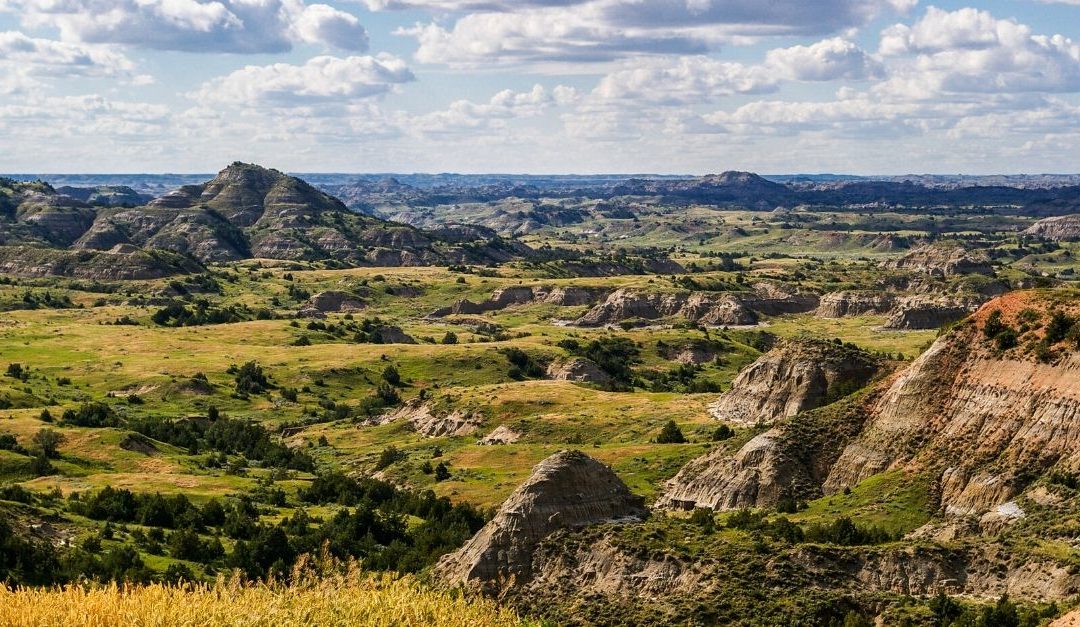
Soil Remediation After a Hydrocarbon and Brine Well Blowout
In 2012, the United States Forest Service began using BioLynceus® treatment protocols to support the remediation of land impacted by a well blowout.
The uncontrolled release contained a mixture of:
-
Hydrocarbons
-
Brine
-
High concentrations of salts
-
Heavy metals
More than 250 barrels of oil and brine were released during the incident.
Approximately 20 Acres of Land Were Contaminated
The contamination affected not only the area immediately surrounding the well site but also nearby native grasslands.
Wind carried portions of the released fluids across the surrounding landscape, spreading contaminants beyond the original blowout area.
In total, approximately 20 acres of land were impacted.
Surface soils and vegetation within the affected area were exposed to elevated concentrations of petroleum hydrocarbons, salts, and heavy metals.
Challenges of Remediating Contaminated Soil
The combination of hydrocarbons, brine, and heavy metals created multiple challenges for restoring the affected land.
Potential impacts included:
-
Petroleum hydrocarbon contamination
-
Excessive soil salinity
-
Damage to native vegetation
-
Reduced soil biological activity
-
Poor conditions for plant establishment
-
Heavy metal contamination
These conditions can interfere with soil microbial activity, root development, water availability, and the natural recovery of vegetation.
BioLynceus® treatment protocols were introduced as part of the effort to support soil remediation, biological recovery, and revegetation of the contaminated site.
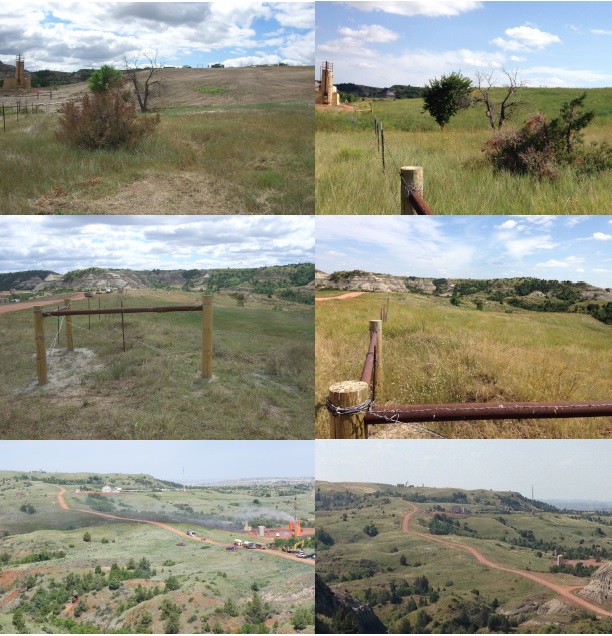
Figure 1. The three images on the left demonstrate the soil condition following the blow out in spring 2012. The three images on right were taken after BioLynceus® product applications in late 2012-early 2013.
Biological Treatment of Brine-Contaminated Soil
BioLynceus® proprietary liquid microbial solutions were applied as part of the remediation program to help improve soil conditions across the contaminated area.
The treatment was designed to support soil biological activity, reduce the effects of hydrocarbon and brine contamination, and improve conditions for land recovery.
Throughout the treatment period, monitoring showed substantial reductions in salt concentrations within the affected soils.
Two Years of Soil Remediation
Remediating brine-contaminated soil can be a lengthy process because elevated salt concentrations can interfere with soil structure, microbial activity, water availability, and plant establishment.
Despite these challenges, the BioLynceus® treatment program produced measurable improvements over approximately two years.
The remediation effort focused on:
-
Reducing excessive soil salinity
-
Improving conditions for beneficial soil microorganisms
-
Supporting recovery from hydrocarbon contamination
-
Improving the soil environment for vegetation
-
Supporting long-term land restoration
Site Released from Remediation in 2014
By 2014, approximately two years after treatment began, the United States Forest Service released the site from further treatment, determining that additional remediation was no longer necessary.
The project demonstrated the potential for biological soil-treatment strategies to support the recovery of land affected by hydrocarbon, brine, and salt contamination.
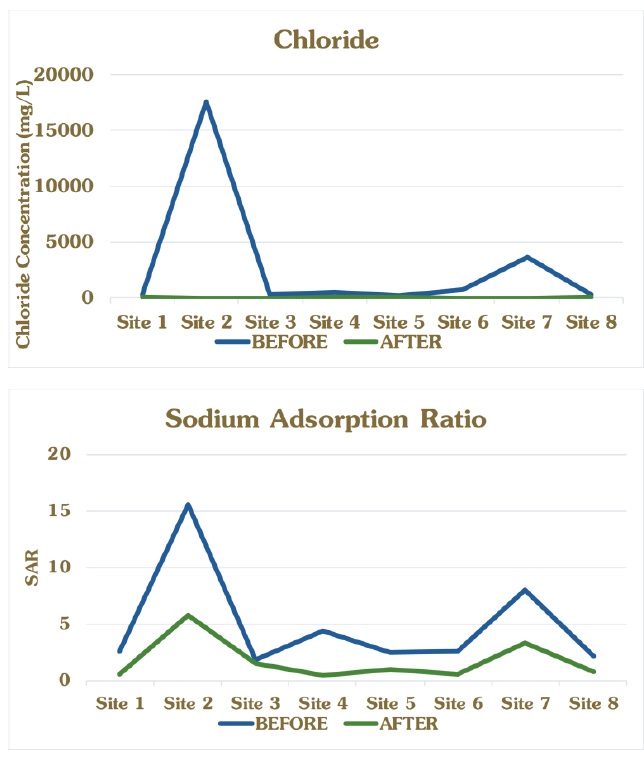
Note: Third party testing was conducted by Energy Laboratories
https://www.energylab.com/