
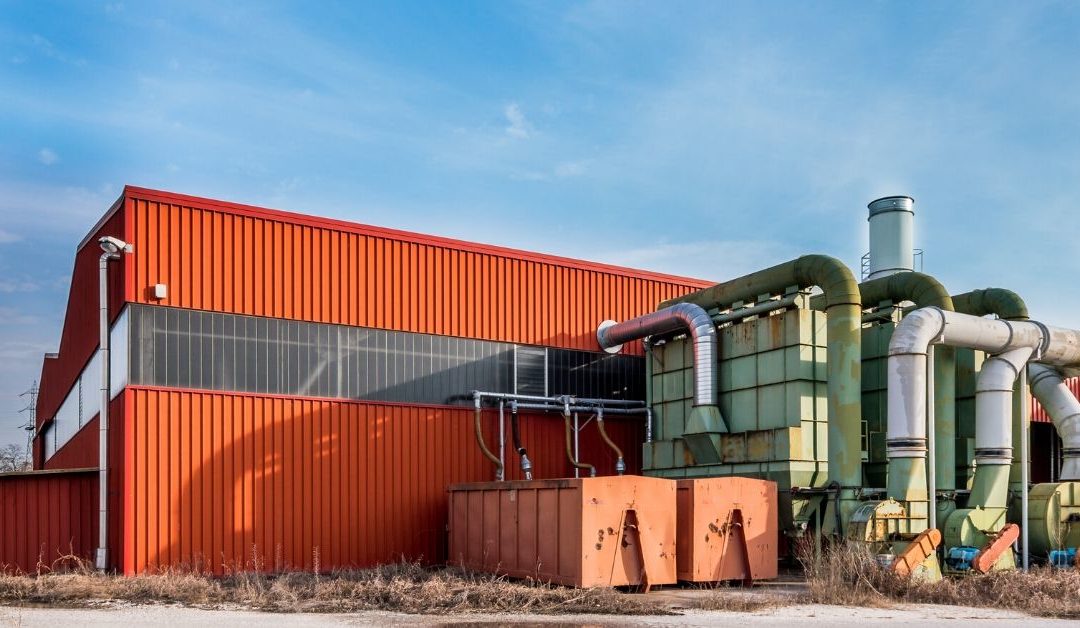
Collection System: 0.02 MGD
Hydrogen Sulfide in Wastewater Collection Systems
Hydrogen sulfide (H₂S) commonly develops in wastewater collection systems when sulfate-reducing bacteria (SRB) break down organic matter under anaerobic, or oxygen-limited, conditions.
H₂S production can become especially problematic in sewer systems with long pipe runs and extended wastewater detention times. As wastewater remains in the collection system longer, dissolved oxygen may become depleted, creating favorable conditions for sulfate-reducing bacteria.
Why H₂S Control Is Important
Elevated hydrogen sulfide concentrations can create several operational and safety concerns for wastewater utilities, including:
-
Strong and unpleasant sewer odors
-
Increased corrosion of pipes, manholes, and other infrastructure
-
Potential health and safety risks for wastewater workers
-
Higher maintenance requirements
-
Reduced collection system reliability
For these reasons, wastewater utilities actively monitor and manage hydrogen sulfide levels in sewer collection systems.
Effective H₂S control can help reduce odors, protect wastewater infrastructure, and improve overall collection system conditions.
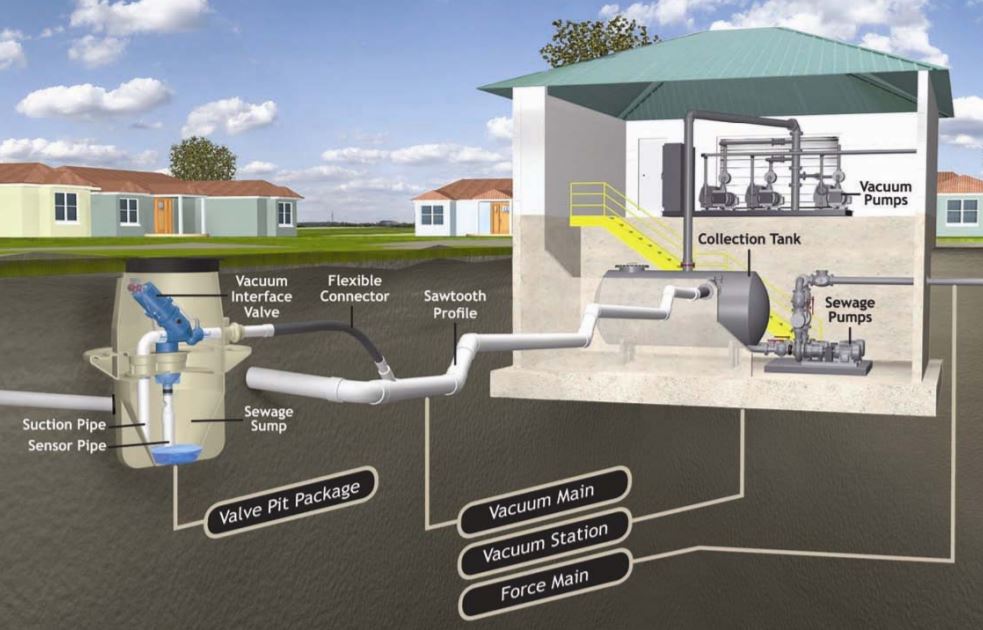
Figure 1. AIRVAC vacuum sewer system schematic (Retrieved from https://pncwa.memberclicks.net/ assets/2010ConfTechPresentations/Session04/2010%20 pncwa-%20session%204-1%20-%20collections%20-%20philip%20smith.pdf).2
Using Bioaugmentation to Reduce Hydrogen Sulfide
Bioaugmentation can be used as part of a strategy to reduce hydrogen sulfide (H₂S) production in wastewater collection systems.
By introducing concentrated populations of beneficial bacteria into wastewater streams, operators can increase microbial competition for available organic material. This can help reduce conditions that favor sulfate-reducing bacteria (SRB), which are responsible for producing H₂S under anaerobic conditions.
The following case study describes the use of BioLynceus® ProBiotic Scrubber® OCC (PBOCC) to reduce hydrogen sulfide in a municipal wastewater collection system.
H₂S Problems in a 0.02 MGD Vacuum Sewer System
A mutual domestic water consumer association (MDWCA) in New Mexico was experiencing elevated hydrogen sulfide concentrations on the discharge side of its AIRVAC vacuum sewer system.
The wastewater collection system:
-
Averaged approximately 0.02 MGD
-
Extended approximately 2 miles
-
Experienced H₂S concentrations exceeding 700 ppm in the force main
The high hydrogen sulfide levels were attributed in part to extended wastewater detention times within the collection system.
Odor, Corrosion, and Worker Safety Concerns
Elevated H₂S concentrations created several problems for the MDWCA.
Strong sewer odors developed around the force main and manholes. Hydrogen sulfide also contributed to corrosive conditions that began damaging collection system infrastructure, increasing the potential for costly repairs and replacement.
The utility was also concerned about the health and safety risks associated with high H₂S concentrations for wastewater personnel working around the collection system.
Treating the Force Main with ProBiotic Scrubber® OCC
To address the hydrogen sulfide problem, the MDWCA worked with BioLynceus® to develop a biological treatment program.
ProBiotic Scrubber® OCC (PBOCC) was dosed through a feed pump at the lift station upstream of the force main.
PBOCC introduced a diverse population of live wastewater microorganisms designed to support biological activity and reduce conditions that favor excessive sulfide production.
H₂S Reduced to Less Than 10 ppm
Within approximately two months of treatment, average hydrogen sulfide concentrations in the force main headspace decreased from approximately 500 ppm to less than 10 ppm.
The reduction in H₂S also helped:
-
Reduce strong sewer odors
-
Decrease conditions associated with corrosion
-
Improve collection system conditions
-
Reduce H₂S-related exposure concerns for wastewater personnel
Supporting Long-Term H₂S Control
The PBOCC bioaugmentation program helped shift microbial conditions within the sewer system and reduce hydrogen sulfide production.
By limiting conditions favorable to sulfate-reducing bacteria, the treatment program significantly lowered H₂S concentrations and the operational problems associated with sulfide accumulation.
ProBiotic Scrubber® OCC for Wastewater H₂S Control
BioLynceus® ProBiotic Scrubber® OCC is designed to support hydrogen sulfide reduction, sewer odor control, microbial balance, and wastewater collection system performance.
References
-
Gerardi, M. (2016). Wastewater Bioaugmentation and Biostimulation. Lancaster, Pennsylvania: DEStech Publications, Inc., pp. 20–21.
Wastewater Bioaugmentation and Biostimulation -
Smith, P., P.E. (2010, October 24–27). Miles Crossing Vacuum Sewer System Project [PowerPoint presentation]. Pacific Northwest Clean Water Association.
Miles Crossing Vacuum Sewer System Project