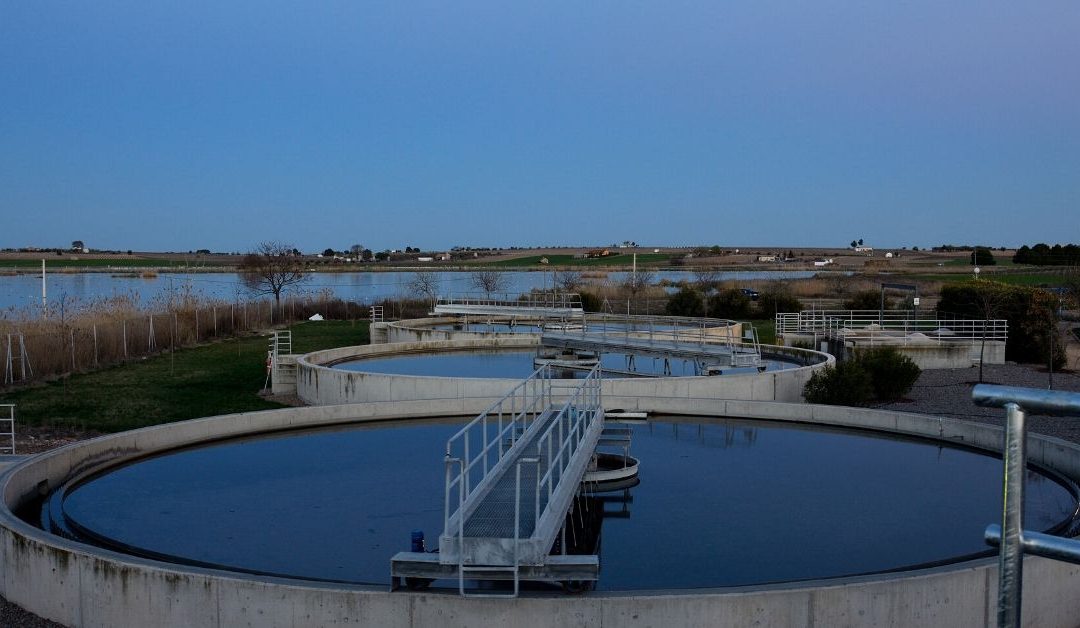
 Collection System 0.8 MGD A growing Wyoming municipality of 10,000 people was having trouble with fats, oils, and grease (FOG) management in their wastewater collection system. The city’s lift stations and main lines were consistently coated with grease. When the lift...
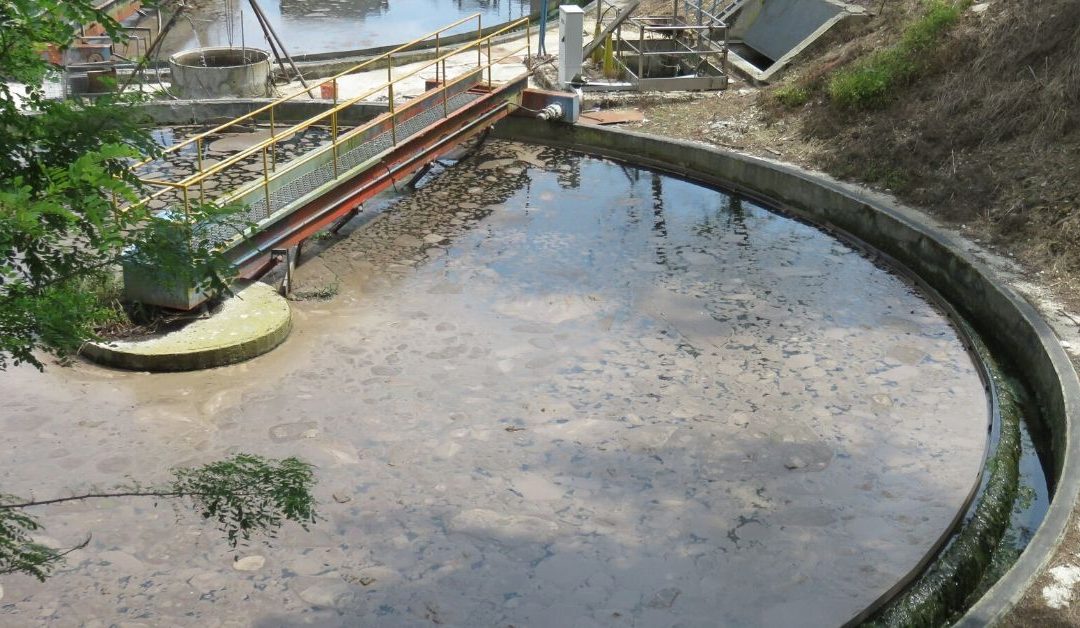 Collection System 0.7 MGD Persistent fats, oils, and grease (FOG) accumulation can deteriorate wastewater collection infrastructures and increase maintenance demands. Lift stations have many moving parts that can breakdown when FOG buildups are too great....
 Industrial Membrane Bioreactor Plant 0.01 MGD When starting up a wastewater plant, the biological seed used can influence future treatment efficiency and operational challenges. Domestic activated sludge seeding has potential to introduced unwanted biological and...
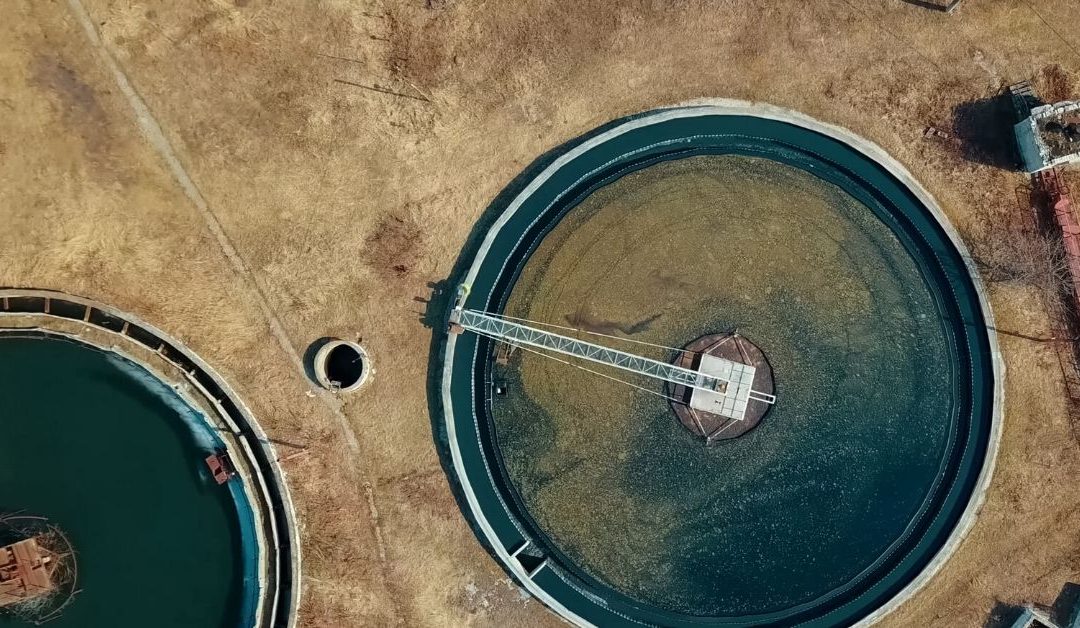 Groundwater Recharge Basin 0.03 MGD Wastewater storage basins receiving discharge from municipal treatment plants can accumulate solids. With bioaugmentation, utilities can increase the biomass in wastewater systems to more effectively reduce solids.1 The following...
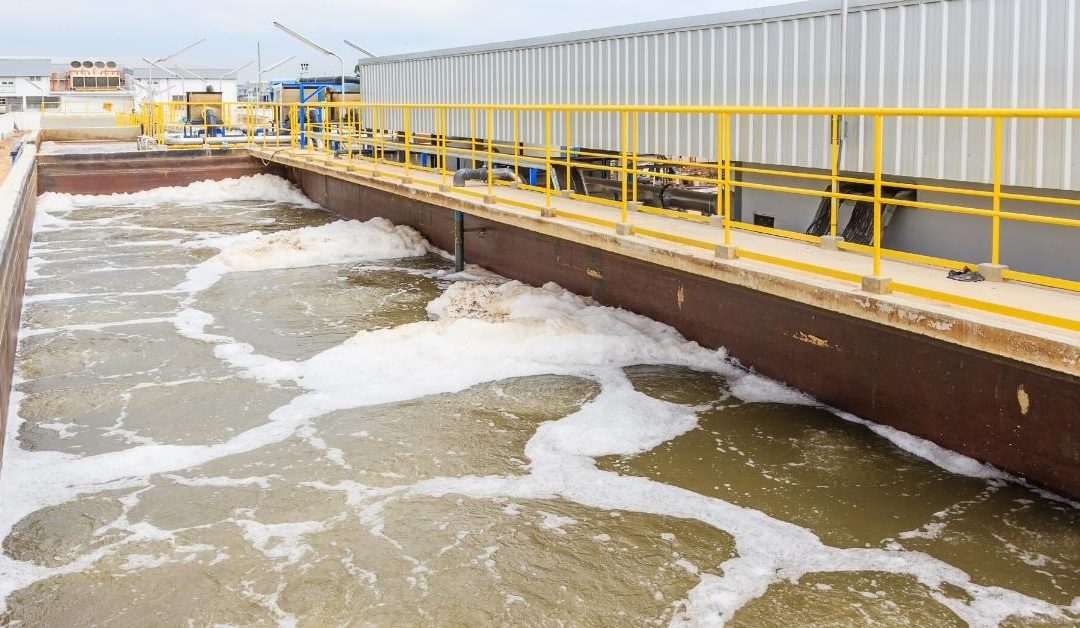 Mechanical Plant Collection System 0.3 MGD Fats, oils, and grease (FOG) build-up in wastewater collection lines is a persistent issue that has plagued many municipalities. Challenges arise when FOG and solids cause blockages in the transport pipes carrying influent...
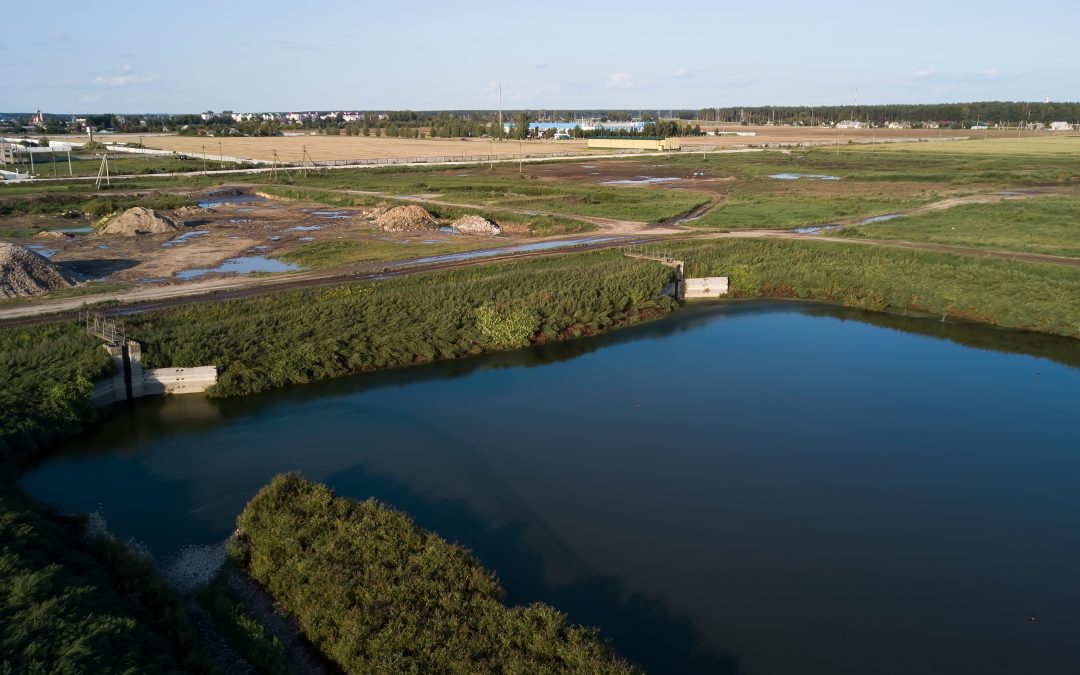 Evaporative Lagoon 0.9 MGD Sludge accumulation is common in municipal lagoon systems. These processes are often overloaded with poorly degraded solids in influent wastewater flows. Toimprove solids reduction and overall treatment quality in the above lagoon systems,...