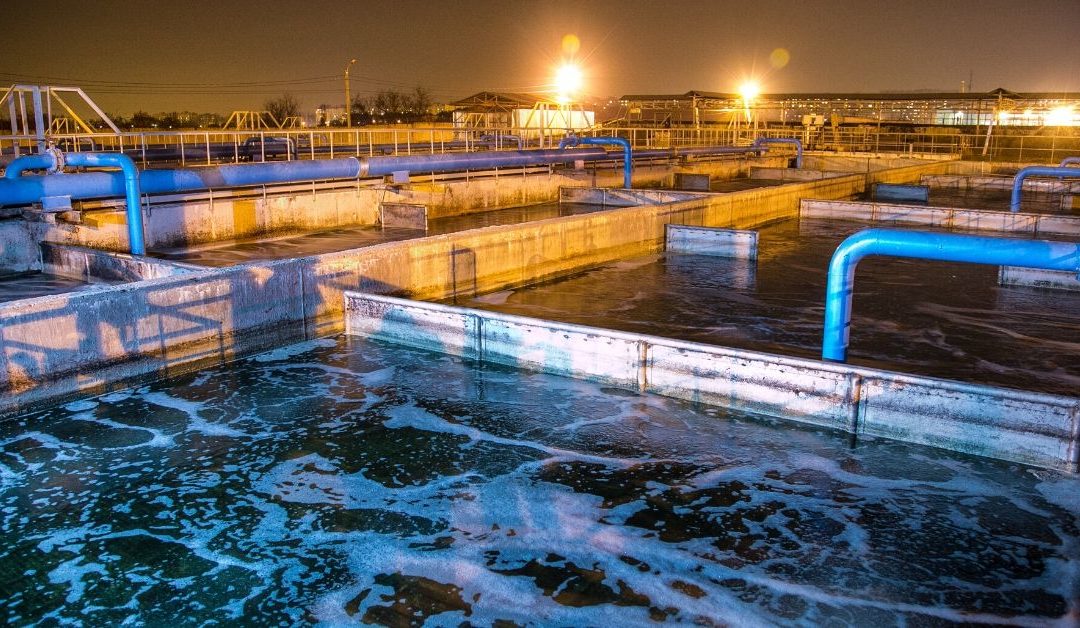
Solids are an inevitable challenge in wastewater treatment. Even the world’s most efficient treatment systems must waste and dispose of some byproducts. The types of solids covered in this article are: trash (solid waste), organic solids, and inorganic solids (grit)....
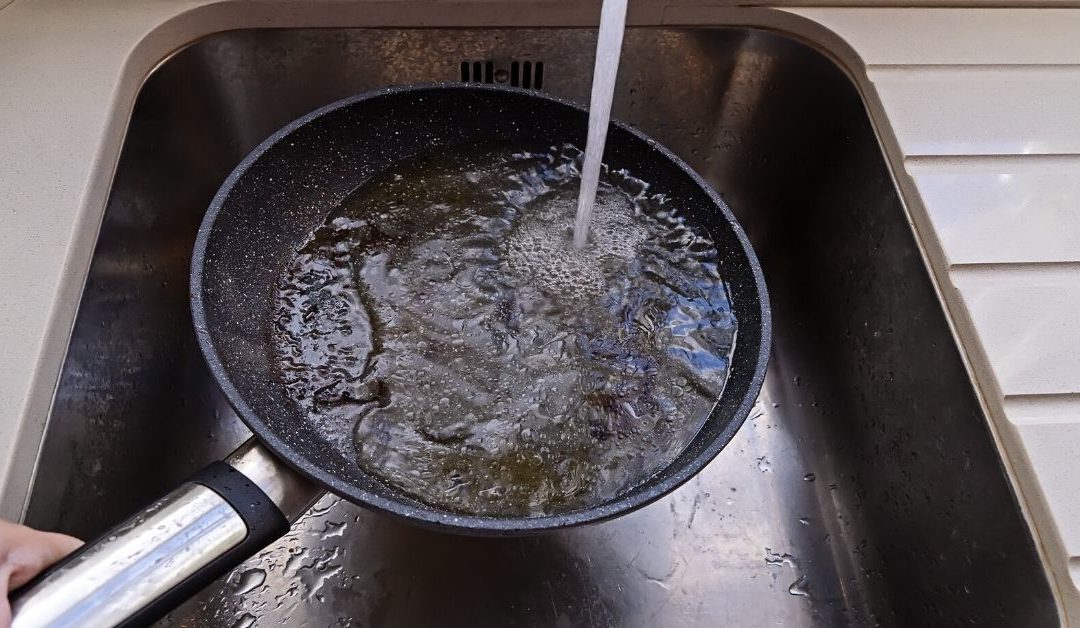
Excess fats, oils, and grease (FOG) discharged into collection systems can cause issues for Publicly Owned Treatment Works (POTW). First, fatty organic material can accumulate in sewer lines inhibiting wastewater flows. Obstructed pipes can cause Sanitary Sewer...
Why your municipality should complete a pretreatment survey During my research for my new class “The Changing World of Pretreatment,” I ran across many new and inventive ways to use THC and CBD products. In Denver, Ganja Yoga encourages the two relaxation methods in...
Publicly owned treatment works (POTW) often struggle to limit fats, oils, and grease (FOG) intake in their wastewater systems. Excess FOG buildups can prevent wastewater flows causing blockages in collection lines. Additionally, heavy FOG discharge can disrupt...
The Power of Lagoon Systems It is common knowledge that bacteria thrive in some environments better than others. Bacteria can only consume or degrade compounds they touch or attach to. One of the best systems to increase contact/retention time is a lagoon...
Resident expert, Tanner Hartsock, shares how food to microbe ratio (F:M) can impact your wastewater treatment system and how to maintain an optimal F:M ratio. This is a short video that lasts 10...