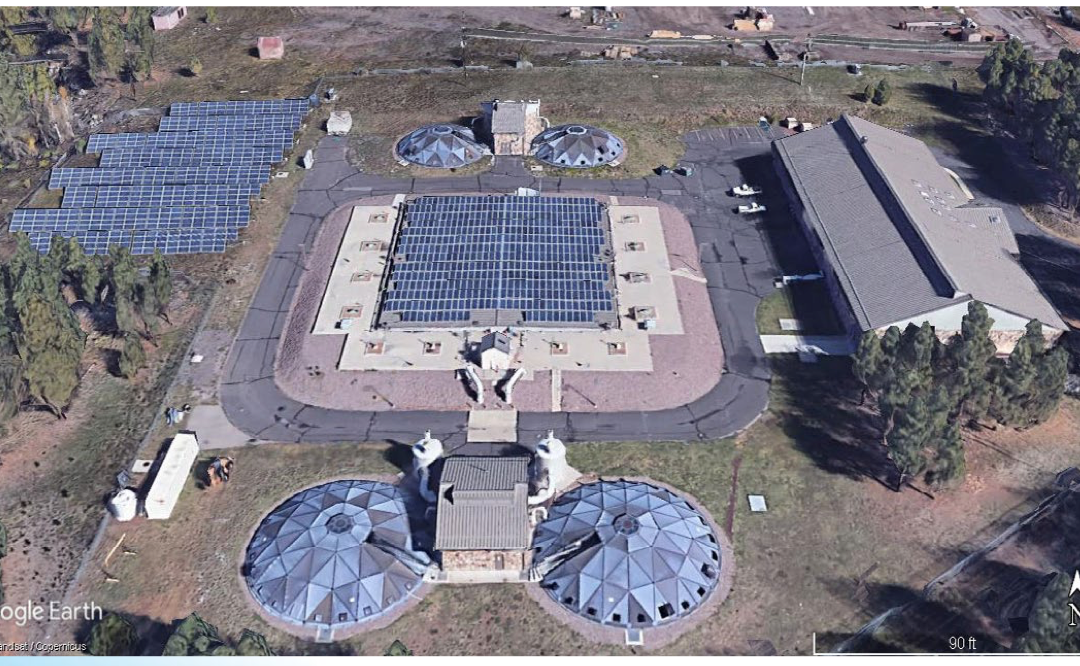
F:M Stability in a National Park Wastewater Network

F:M Stability in a National Park Wastewater Network

Mechanical WWTP .1 MGD The F:M in the wastewater treatment network at a National Park in Wyoming was optimal from July–October. There was consistent organic carbon loading during this time from tourist activities. However, when the park closed for the winter, the...
F:M Stability in a Sequencing Batch Reactor

F:M Stability in a Sequencing Batch Reactor

Mechanical WWTP .003 MGD In many resort towns, the influent loads to the wastewater treatment system are highly variable throughout the year. During the tourist seasons there is an abundance of wastewater to sustain the biomass at treatment facilities, but when the...
F:M Stabilization at a Mechanical Wastewater Treatment Plant

F:M Stabilization at a Mechanical Wastewater Treatment Plant

Mechanical WWTP .06 MGD Wastewater treatment plants receiving inconsistent influent loads are often challenged with maintaining an effective biological treatment. Many of the key microorganisms in wastewater processes are dependent on organic substrate to grow and...
F:M Treatment with Candy Carbon® at an Activated Sludge Plant

F:M Treatment with Candy Carbon® at an Activated Sludge Plant

Mechanical WWTP 2 MGD Many wastewater systems experiencing high infiltration and inflow (I&I) have issues with hydraulic overloading which impacts biomass stability. I&I can impair the capacity of the wastewater collection system and wastewater treatment...
F:M Treatment in an Activated Sludge Plant

F:M Treatment in an Activated Sludge Plant

Mechanical WWTP .2 MGD Wastewater systems located in regions with high annual precipitation, such as the Pacific Northwest, are prone to experiencing biological washouts due to high infiltration and inflow (I&I) from collection systems. Infiltration and inflow can...