
Microbial Grease Remediation
BioLynceus® biological products are designed to support grease reduction and organic waste degradation in wastewater collection systems.
When introduced into a collection system, beneficial microorganisms can supplement existing microbial populations and support the biological breakdown of fats, oils, grease, and other biodegradable organic material.
This process can help wastewater operators improve collection system performance while reducing the accumulation of organic waste in pipes, lift stations, and treatment equipment.
How Microbial Grease Remediation Works
BioLynceus® microbial products contain diverse populations of live microorganisms, including aerobic, facultative, and anaerobic organisms, along with nutrients and other organic compounds that support microbial activity.
Once introduced into the wastewater system, these microorganisms can help accelerate natural biological processes responsible for degrading organic material.
Microbial treatment may be especially useful for managing fats, oils, and grease (FOG) before excessive buildup creates blockages or maintenance problems.
Benefits of Biological Grease Treatment
A microbial grease-remediation program can help support:
-
Improved digestion of suspended organic solids in pipes and wastewater equipment
-
Better wastewater flow through collection systems
-
Biological degradation of fats, oils, and grease
-
Reduced organic buildup inside pipes and lift stations
-
Fewer grease-related clogs and blockages
-
Reduced maintenance requirements
-
Lower odor production
-
Improved solids management
-
Reduced total suspended solids (TSS) under appropriate treatment conditions
Supporting Collection System Performance
FOG accumulation can restrict wastewater flow, increase maintenance requirements, and contribute to blockages throughout collection systems.
By supporting microbial populations that break down biodegradable organic material, biological treatment can be incorporated into a broader FOG management and collection system maintenance program.
The effectiveness of microbial grease remediation depends on factors such as wastewater temperature, pH, organic loading, retention time, oxygen conditions, and the composition of the waste stream.
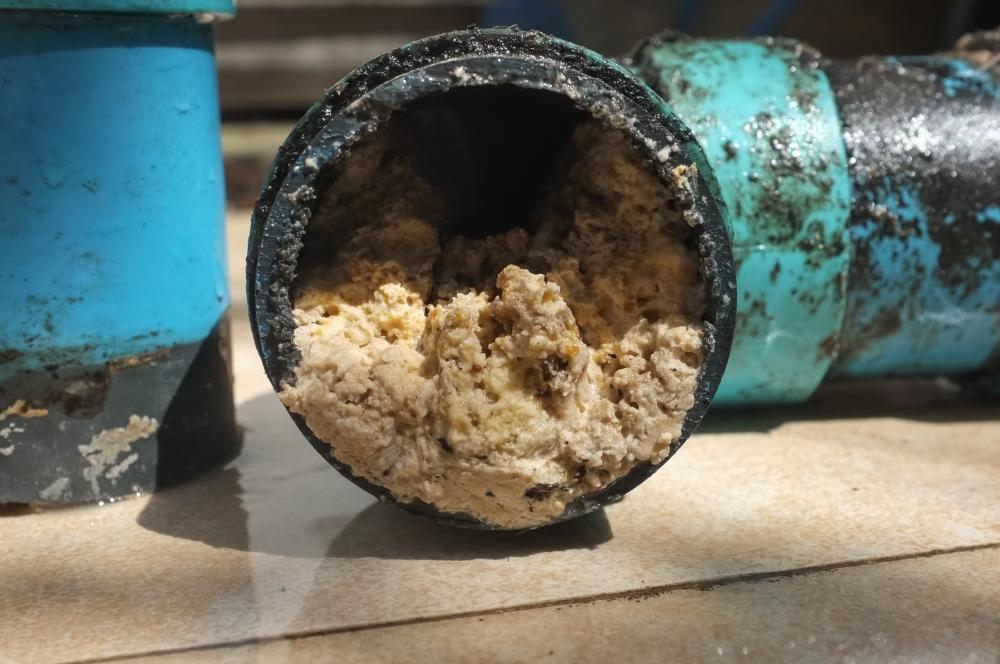
Figure 1. A standard pipe clogged with fats, oil and grease. Image retrieved from https://www.wsud.us/sewer/page/fats-oil-and-grease-fog
ProBiotic Treatment for Grease and Wastewater
Municipal and industrial wastewater can vary significantly depending on the source, manufacturing process, and materials entering the treatment system.
Facilities such as:
-
Paper mills
-
Distilleries
-
Food-processing plants
-
Paint and manufacturing facilities
-
Slaughterhouses and meat-processing facilities
-
Fish-processing facilities
-
Other industrial operations
may generate wastewater with very different concentrations of fats, oils, and grease (FOG), organic solids, BOD, COD, nutrients, and other compounds.
Because wastewater characteristics vary from one facility to another, biological treatment programs should be tailored to the specific needs of each system.
Customized Microbial Treatment Programs
BioLynceus® develops microbiological treatment programs based on the operating conditions and wastewater characteristics of individual facilities.
Treatment strategies may be designed to support:
-
Fats, oils, and grease degradation
-
Organic solids reduction
-
Odor control
-
Biological wastewater treatment
-
Collection system maintenance
-
Improved treatment stability
Rather than relying on a one-size-fits-all approach, the application program can be adjusted according to wastewater loading, system design, retention time, temperature, and treatment objectives.
Initial Treatment and Ongoing Maintenance
A BioLynceus® biological treatment program typically begins with an initial application designed to establish or supplement microbial populations within the wastewater system.
This may be followed by a scheduled maintenance program to support continued biological activity and treatment performance.
The appropriate dosage and application frequency depend on the specific wastewater system and the treatment goals.
By developing a treatment program around actual facility conditions, BioLynceus® can help wastewater operators manage grease, organic loading, and other biological treatment challenges more effectively.