
Healthy Soil Depends on More Than Fertilizer
Soil fertility is more complex than simply adding nutrients to support plant growth.
Healthy soil functions as a living biological system where microorganisms help cycle nutrients, decompose organic matter, support root development, and make minerals available to plants.
Modern soil science increasingly recognizes the importance of maintaining a diverse and active soil microbial community.
One way to describe this relationship is that plants “eat at the second table.” In other words, soil microorganisms help transform nutrients into forms that plant roots can absorb and use.
Supporting Healthy Soil Biology
Heavy or repeated use of fertilizers, pesticides, and other chemicals can affect soil biology and alter conditions within the root zone.
When microbial activity is reduced, plants may experience poorer nutrient availability, weaker root development, and reduced overall soil health.
BioLynceus® biorganic products are designed to support soil biology, microbial activity, and bioremediation in soils affected by chemical residues or other environmental stresses.
By improving biological conditions in the soil, these treatments may help restore nutrient cycling and create a healthier environment for plant growth.
Bioremediation of Petroleum and Hydrocarbon Contamination
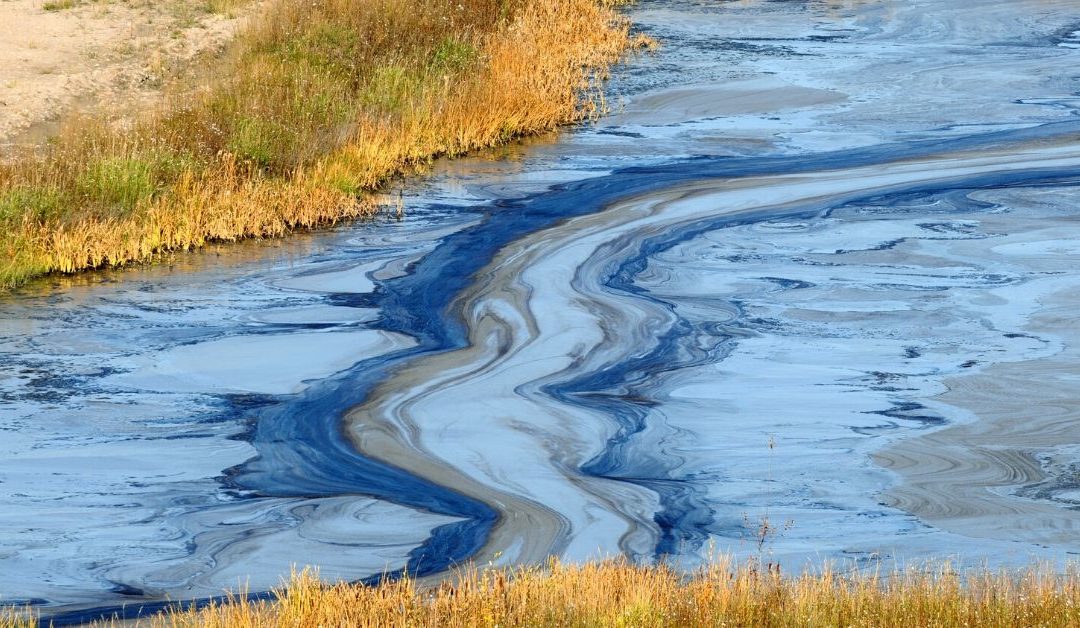
Petroleum products such as gasoline, diesel fuel, and hydraulic oil can create difficult growing conditions when released into soil.
Hydrocarbon contamination may interfere with microbial activity, damage plant roots, reduce oxygen availability, and negatively affect overall soil health.
Rapid response following a spill can help limit the amount of time hydrocarbons remain in contact with plants and soil microorganisms.
Supporting Hydrocarbon Biodegradation
BioLynceus® biorganic products are designed to support microorganisms involved in the biological degradation of petroleum hydrocarbons.
By helping create more favorable conditions for microbial activity, biological treatment can support the breakdown of hydrocarbon compounds through natural metabolic pathways.
Under appropriate aerobic conditions, microbial degradation can convert many petroleum hydrocarbons into simpler end products such as:
- Carbon dioxide
- Water
- Microbial biomass
- Stable organic matter
The effectiveness and rate of biodegradation depend on factors such as contaminant type, concentration, temperature, oxygen, moisture, nutrients, and existing microbial populations.
The Importance of the Rhizosphere
Plant roots do not function independently from the surrounding soil.
In healthy soil, roots interact with a biologically active zone known as the rhizosphere. This area contains microorganisms and microbial byproducts that help influence nutrient availability, root health, and plant development.
A healthy rhizosphere can support:
- Nutrient cycling
- Mineral availability
- Root development
- Beneficial microbial activity
- Overall plant resilience
When soil is contaminated by petroleum or other chemicals, this biological activity may be disrupted.
Restoring Contaminated Soil
BioLynceus® bioremediation products are designed to help support the degradation of certain chemical and hydrocarbon residues while rebuilding biological activity in the soil.
A successful soil restoration program may help:
- Reduce hydrocarbon concentrations
- Support beneficial microbial populations
- Improve conditions in the root zone
- Restore nutrient cycling
- Encourage plant establishment
- Support long-term soil recovery
As contamination is reduced and biological activity improves, soil conditions may gradually become more favorable for healthy plant growth.
Planning for Ongoing Hydrocarbon Contamination
Successful hydrocarbon remediation requires more than a single treatment when contamination is ongoing.
A long-term treatment plan should consider:
- The original source of contamination
- The type and concentration of hydrocarbons present
- Whether additional contamination is still entering the soil
- Soil moisture and oxygen conditions
- Microbial activity
- Follow-up treatment requirements
Addressing both the existing contamination and any continuing source of petroleum or hydrocarbons can help improve the effectiveness of a long-term soil bioremediation program.