
The BioLynceus® Blog
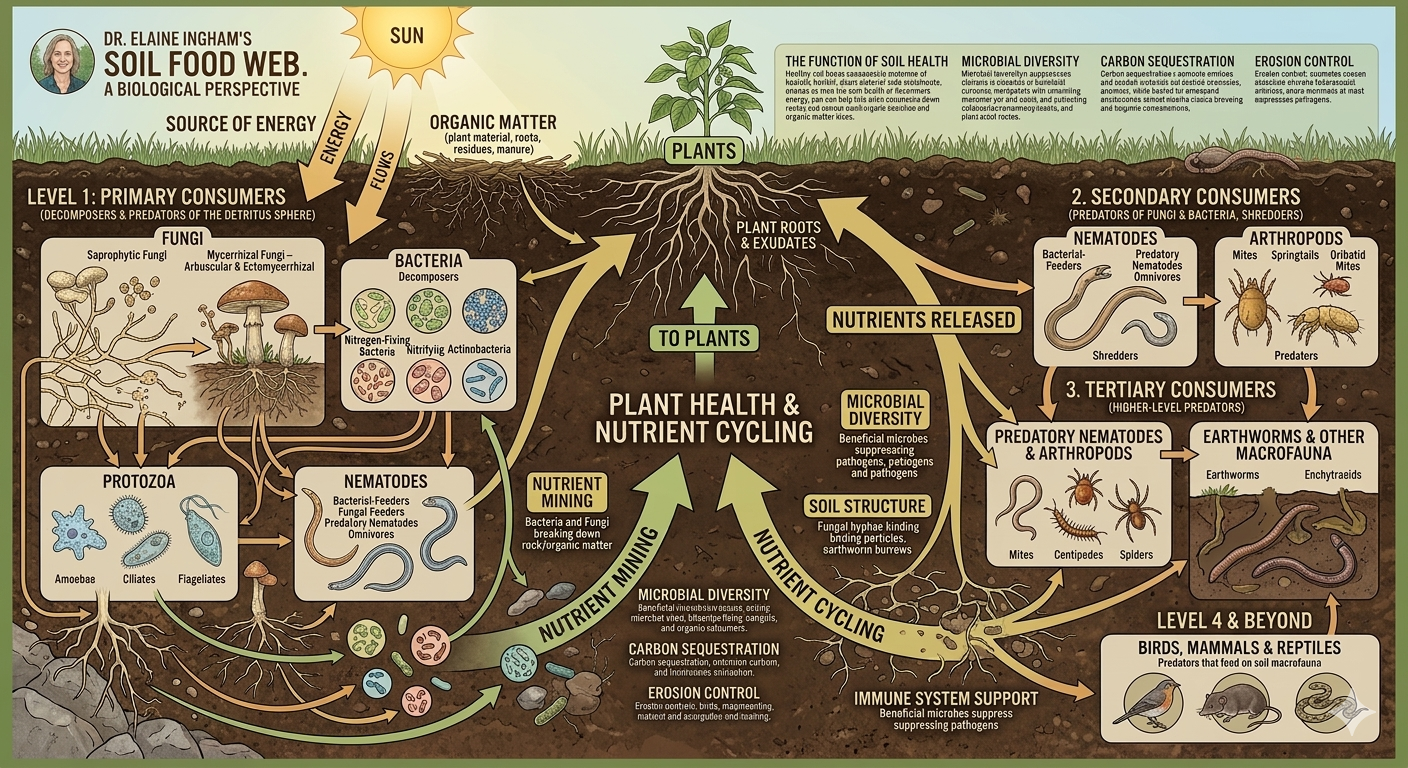
Benefits of BioLynceus Lot 25
Benefits of BioLynceus Lot 125® Some of the Benefits of BioLynceus Lot 125 are listed below. Read our Case Studies and Articles for more information on the products offered by BioLynceus for Agriculture, Turf, and Soil Remediation. Reduces Soil Compaction One of...
Webinar – Lot 125 for Drought Concerns, Fertilizer Efficiency and Healthier Plants
Improve Crop Performance and Input Efficiency with Lot 125® Discover how Lot 125® can support healthier soils, improve nutrient efficiency, and help growers get more value from their existing crop inputs. In this BioLynceus® agricultural webinar, Lead Agronomist Scott...

Wastewater Reuse, The Impact on the Environment
Water Reuse: The Good and the Not So Good Water is one of the most important natural resources on the planet. As communities face population growth, drought, changing weather patterns, and increasing demand for clean water, protecting and conserving potable water...
Emerging Trends
Another Observation From a Road Warrior: Emerging Challenges in Water and Wastewater Across the water and wastewater industry, many utilities are facing similar challenges regardless of location. During my travels throughout the country, I have seen communities in...

Lot 125 – Higher Yields, Less Water, Less Fertilizer
https://youtu.be/293VJ3Yi-6U Lot 125 has been helping farmers like you for over 25 years. A proven track record of higher yields while using less water and fertilizer. Make your crops drought resistant next season while minimizing extreme fertilizer cost. OMRI...

How to Improve Your Lagoon with Bioaugmentation
https://www.youtube.com/watch?v=0r91B25-vBI Kathleen Kelly shares 4 ways to improve your lagoon using bio augmentation. Perfect for industrial or municipal lagoons of any size and flow rate.
22 Reasons to Treat Your Wastewater with BioLynceus Biological Solutions
Saves you time and money.Faster waste digestion.Substantially reduces clean out frequency.No longer allows heavy crusting.Easy to use & no need for special equipment.Reduces wear and tear on machinery.Waste treatment system operates better and becomes biologically...
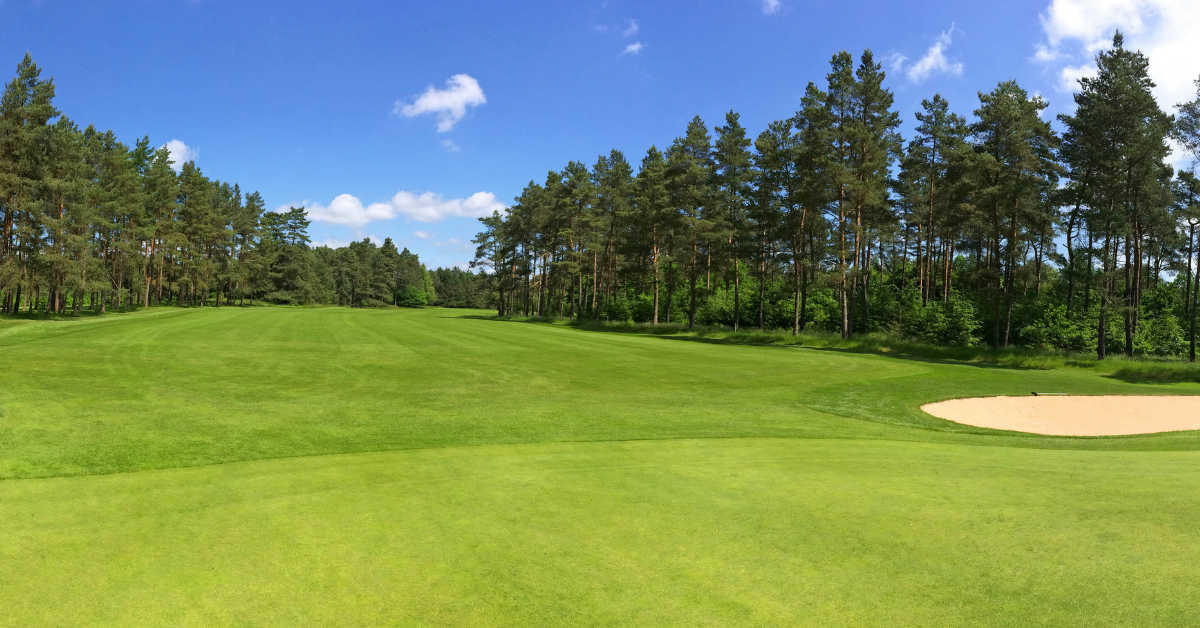
Top 20 Reasons to Treat Your Golf Course with BioLynceus Biological Solutions
Saves time and money.Increased soil fertility.Increased biological activity in soil with simultaneous increase in release of nutrients already present but previously locked away in inorganic chemical compounds or crop residue. Decreased compaction from equipment...

Reducing Odor and FOG at a Local Dairy – Testimonial
Biological Treatment for Dairy Wastewater, FOG, and Odor Control Brinjac Engineering, Inc. worked with a dairy facility in Pennsylvania to address several wastewater treatment challenges, including odors, fats, oils and grease (FOG), and high-strength dairy process...

Webinar – Plant Startup with Tanner Hartsock
Wastewater Plant Startup and Restart Options BioLynceus® wastewater expert Tanner Hartsock, M.S., explains the process of starting a wastewater treatment plant and reviews several options operators can use when establishing or rebuilding biological treatment. Whether...
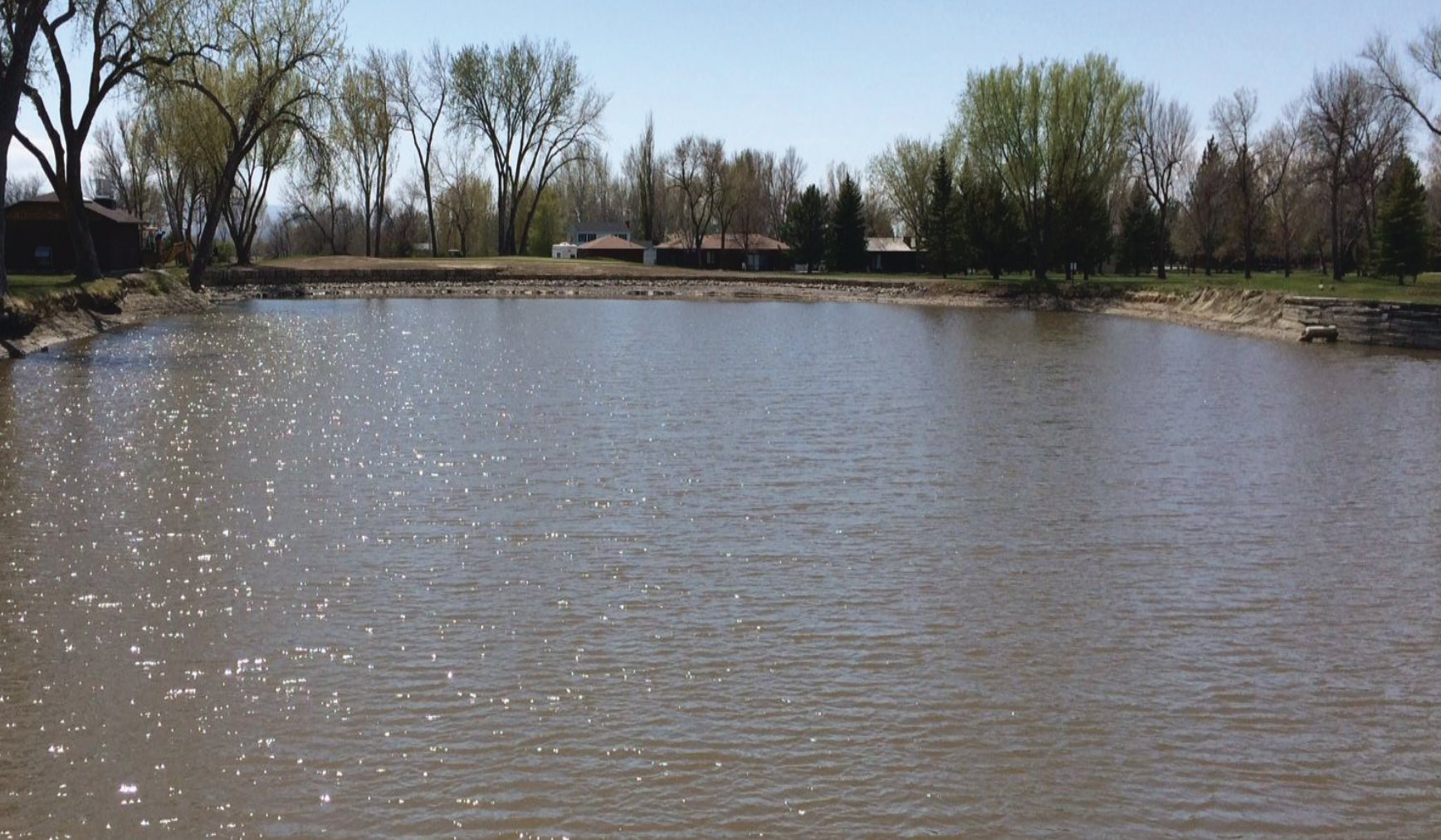
Water Clarity Treatment in Irrigation Ponds
Water Clarity 5.5 Acres A country club in Montana was having issues with water clarity in their irrigation ponds. The two ponds had a total surface area of 5.5 acres. The water bodies were filled with treated wastewater. Additionally, the ponds received runoff from...
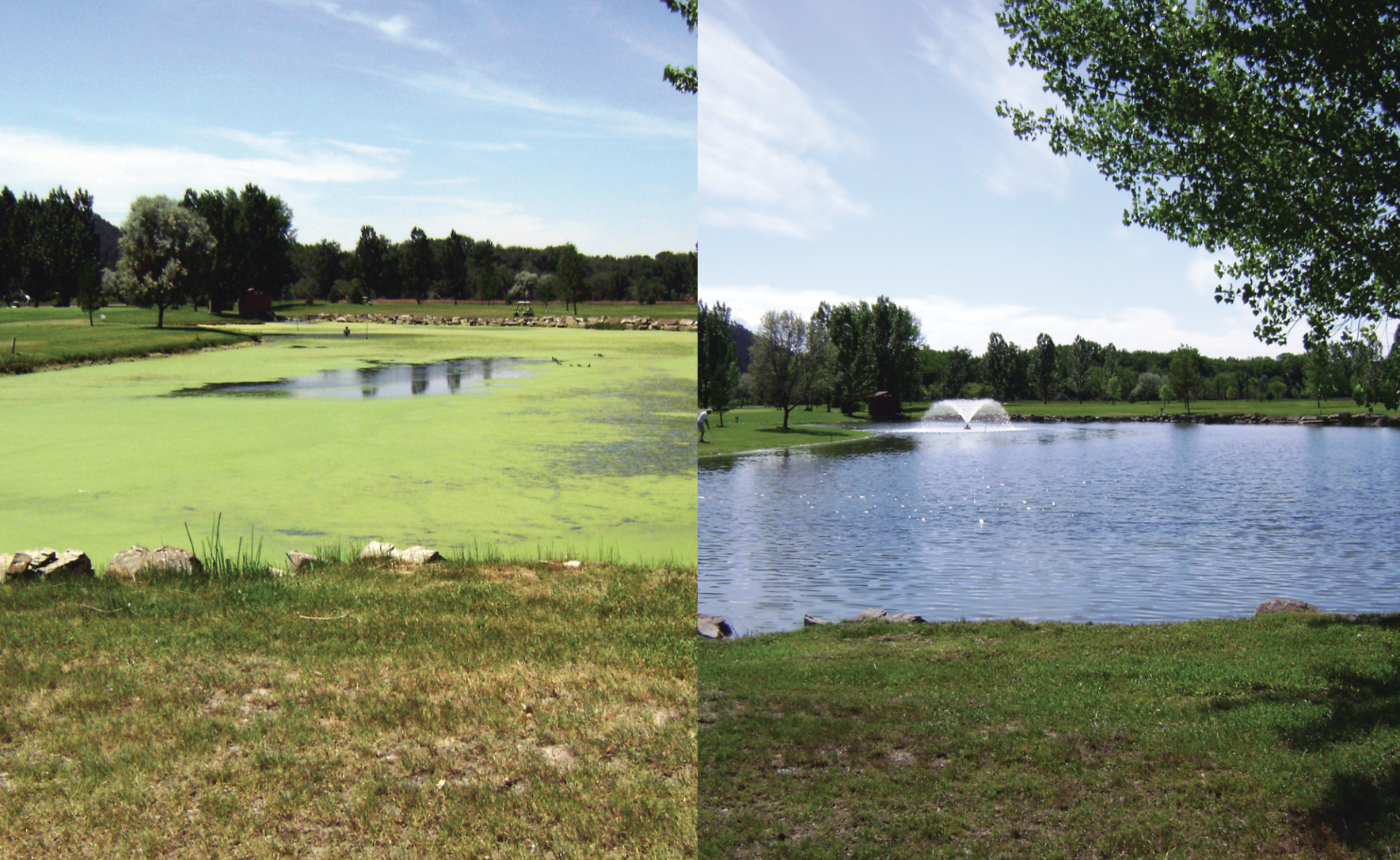
Bioaugmentation Improves Water Clarity in Freshwater Pond
Freshwater Pond 1.5 acres, 6-8 ft depth Algal and aquatic weed growth is a persistent issue impairing water clarity in freshwater ponds. Warm water temperatures and nutrient loads promote algal and plant growth in these systems, especially when organic matter content...
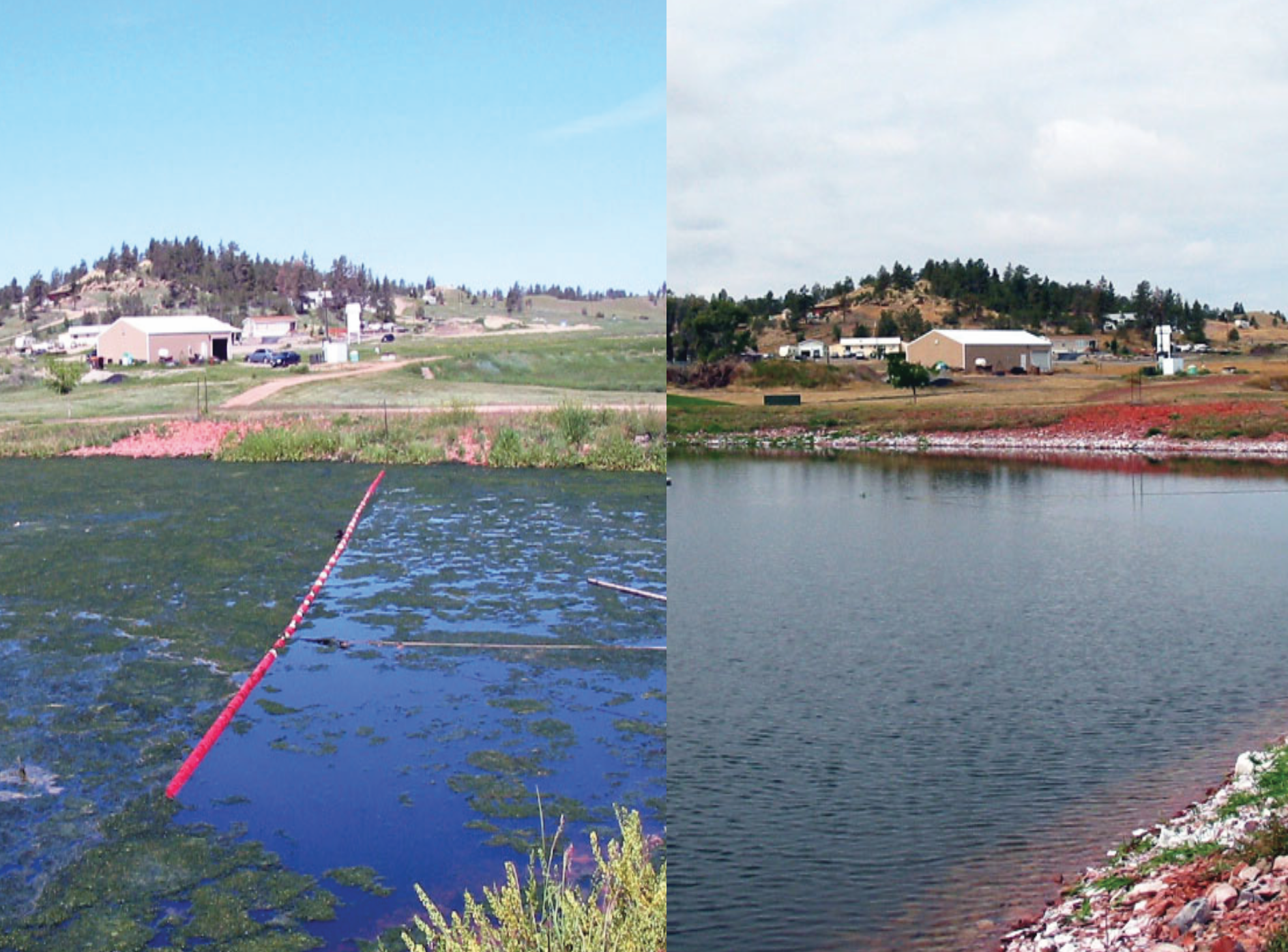
Water Clarity Bioaugmentation in a Freshwater Pond
Freshwater Pond, 2 Acres The water clarity of freshwater ponds can be impaired by organic material which accumulates in response to high nutrient loadings. Eutrophic surface water conditions, enriched with high nutrient concentrations, can promote excessive algal...
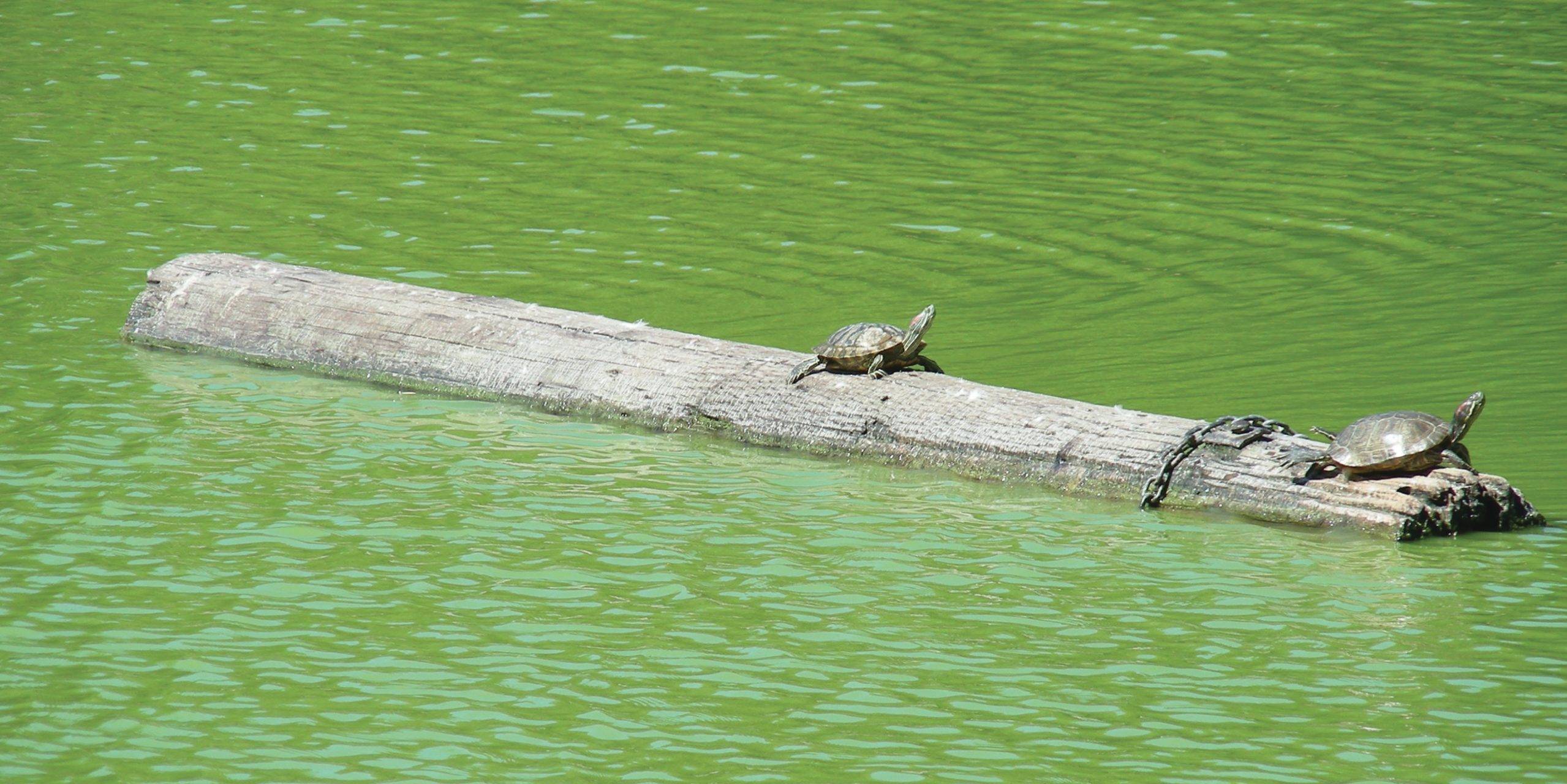
Water Clarity Treatment in a Freshwater Lake
Freshwater Pond, 3 Acres, 20 Feet Deep Achieving good water clarity in freshwater ponds can be challenging, especially during spring and summer months. Algal growth is a common issue that increases suspended solids in open water bodies. Excess algal biomass can...
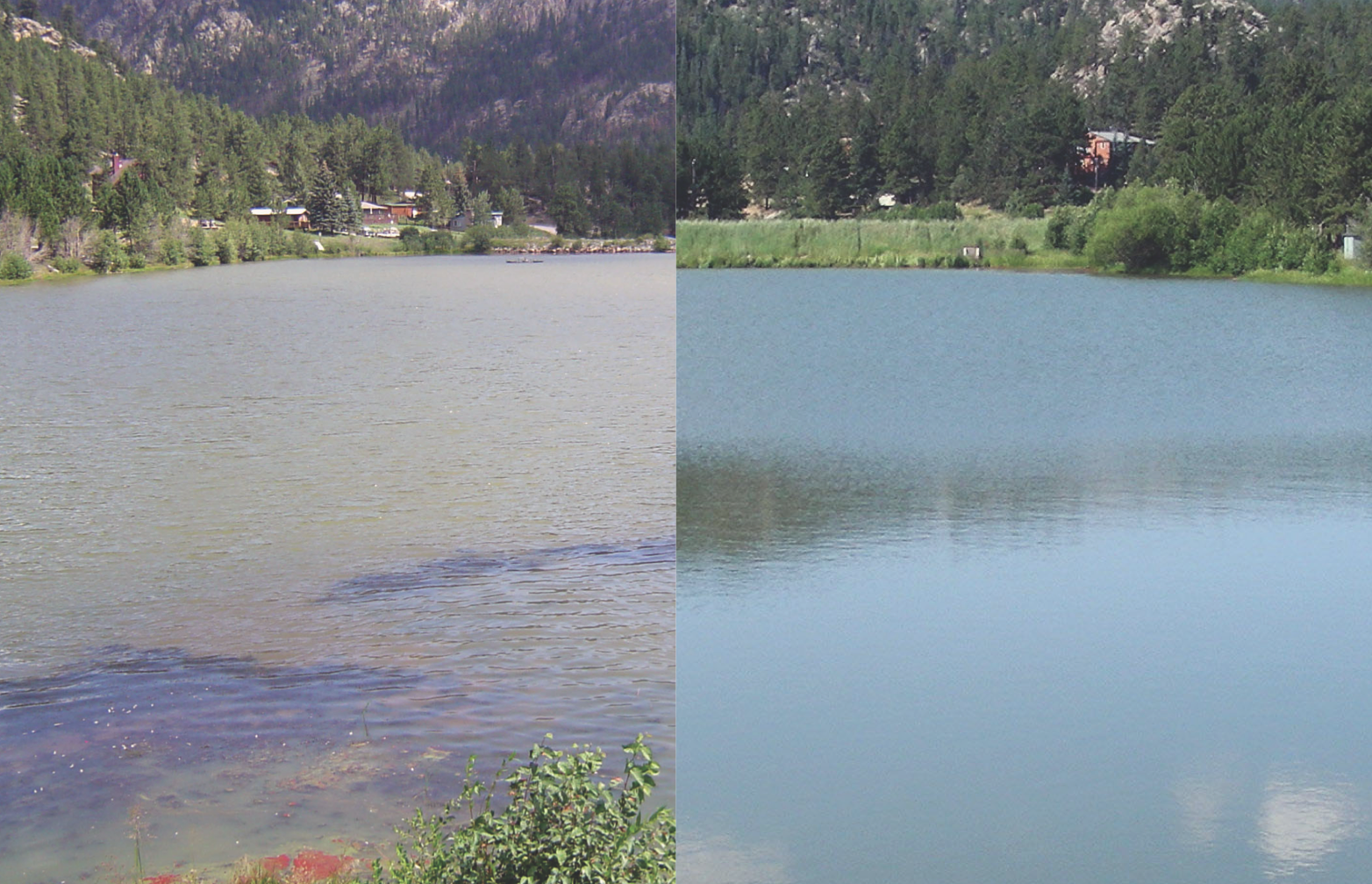
Improving Water Quality in Freshwater Lakes
Maintaining good water clarity is essential when managing drinking and recreational water resources. Freshwater pond systems have constant organic inputs from vegetation, biosolids, and runoff. In the spring and fall, changing water temperatures and densities can...

Webinar – Lot125® for Drought Protection
https://youtu.be/TtcPCBST_Kw In this short 7-minute video, our Lead Agronomist, Scott Anderson talks about the science behind Lot125's ability to protect plants in times of extreme weather.
Webinar – Lot125® for Phosphate Efficiency
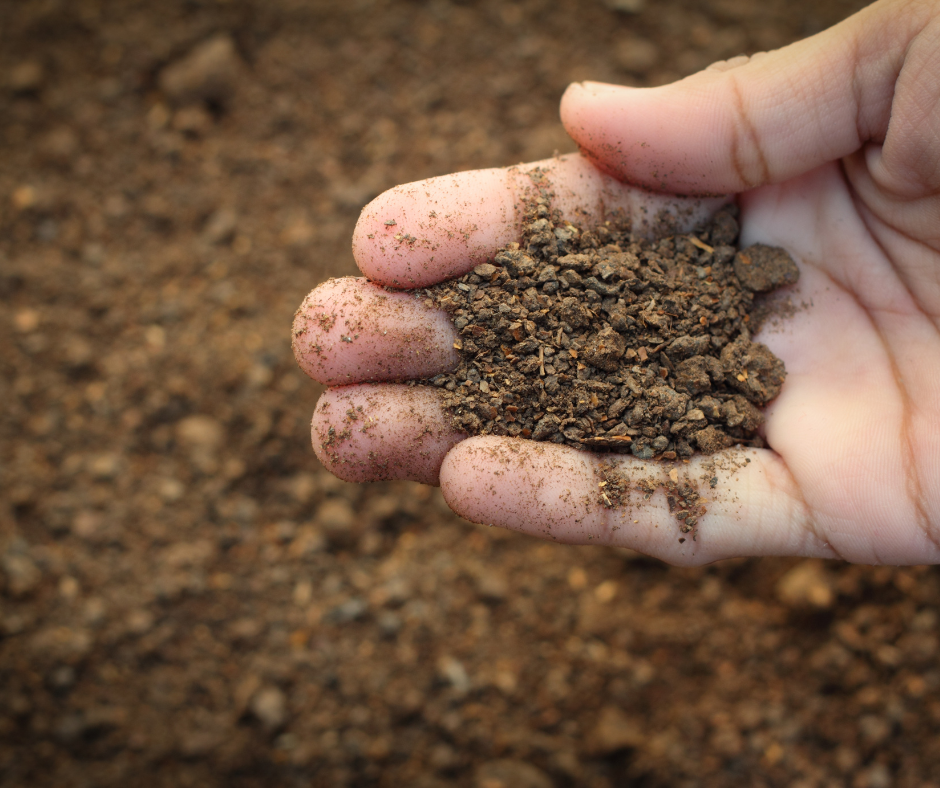
Improving Phosphorus Efficiency with Lot 125® Phosphate fertilizer costs can fluctuate significantly, making phosphorus-use efficiency an important consideration for growers and crop advisors. Helping crops make better use of available phosphorus can support plant...

Webinar – How to Improve Nutrient Uptake and Yield with Fulvex®
Supporting Crop Nutrition and Plant Growth with Fulvex® Healthy crops need a strong start and consistent access to nutrients throughout the growing season. Fulvex® is designed to support nutrient availability, root-zone development, and efficient plant nutrition from...

BioLynceus Lot 125 Case Study
The study was conducted in 2012 and is available at the Irrigation Research Foundation www.irf-info.com.
Where Have All the Snowbirds Gone?
Another Road Warrior Observation: F:M Issues in Wastewater Treatment During my travels to wastewater facilities, I have repeatedly observed one operational issue that can significantly reduce treatment efficiency: an insufficient food supply for the microorganisms...
Denitrification with Candy Carbon®
Download White Paper Here Even with BNR, denitrification can be challenging when the plants are underloaded for flow as well as biological or biochemical oxygen demand (BOD) and perhaps chemical oxygen demand (COD). Denitrification is inhibited by a lack of available...
Nitrification in Cold Weather
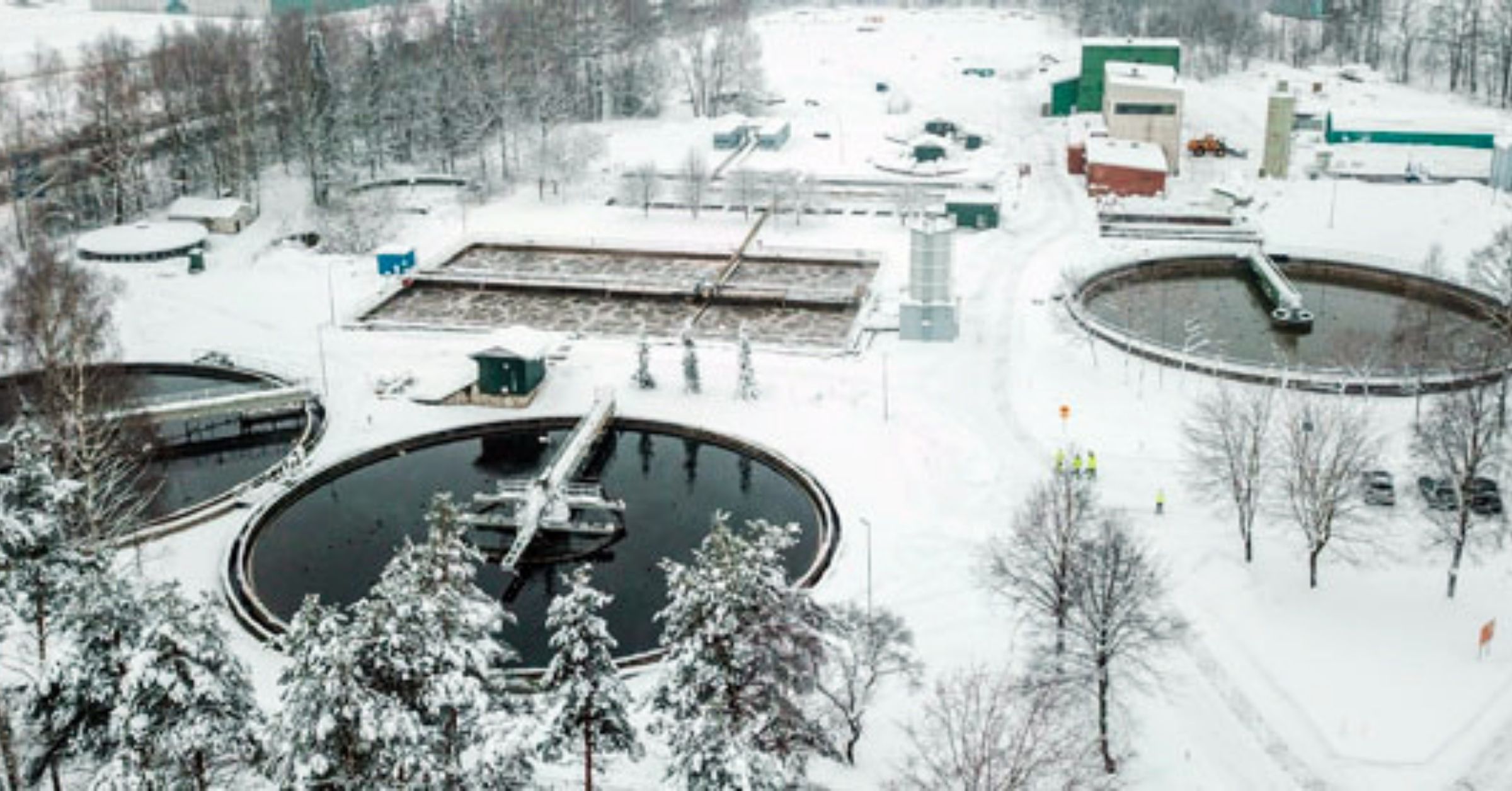
How Cold Water Temperatures Affect Wastewater Bacteria One thing is certain in biological wastewater treatment: when water temperatures drop, microbial activity changes. For more than 25 years in the environmental and wastewater industries, I have repeatedly...
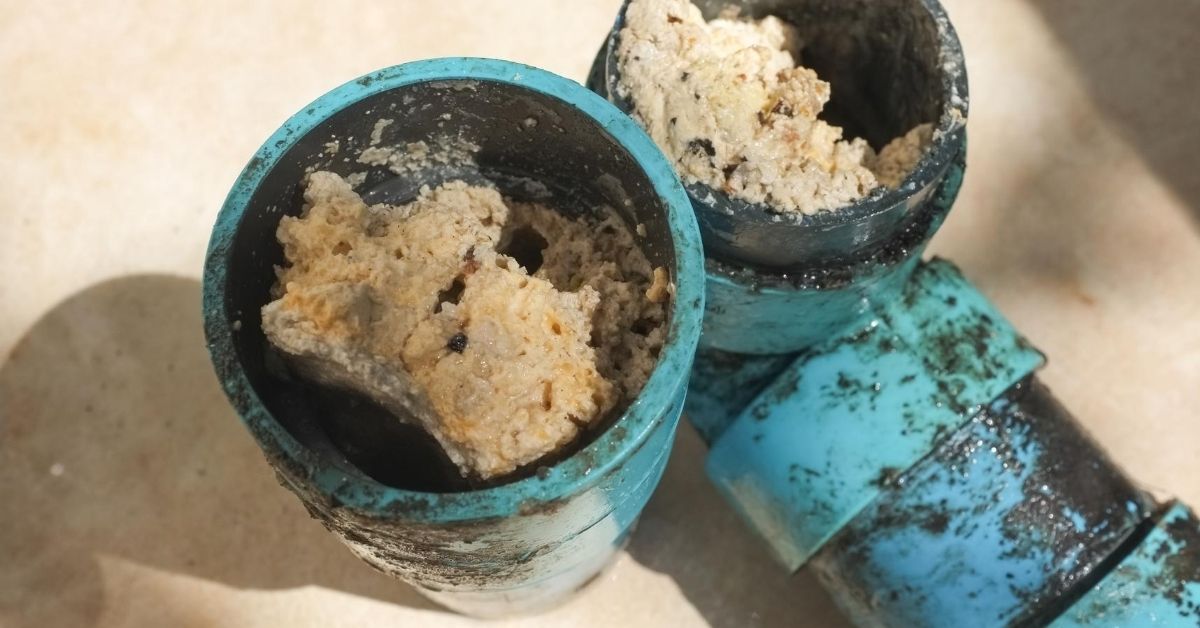
Public Education FOG
Educating the Public About Fats, Oils, and Grease (FOG) BioLynceus® wastewater expert Rick Allen discusses practical methods for educating the public about fats, oils, and grease (FOG) and their impact on municipal wastewater systems. Improper disposal of cooking...

Biological Turf and Shrub Treatment Improves City Hall Landscaping Project
Turf and Landscaping Case Study: 2 Acres Improving Turf Establishment and Root-Zone Development A growing city along Colorado’s Front Range used BioLynceus® products as part of a 2-acre municipal landscaping project in front of City Hall. The treatment program was...

Biological Nutrient Removal
Biological nutrient removal (BNR) is a process used for nitrogen and phosphorus removal from wastewater before it is discharged. BNR Challenges Conventional biological processes typically do not remove total nitrogen (TN) and total phosphorus (TP) to meet the...
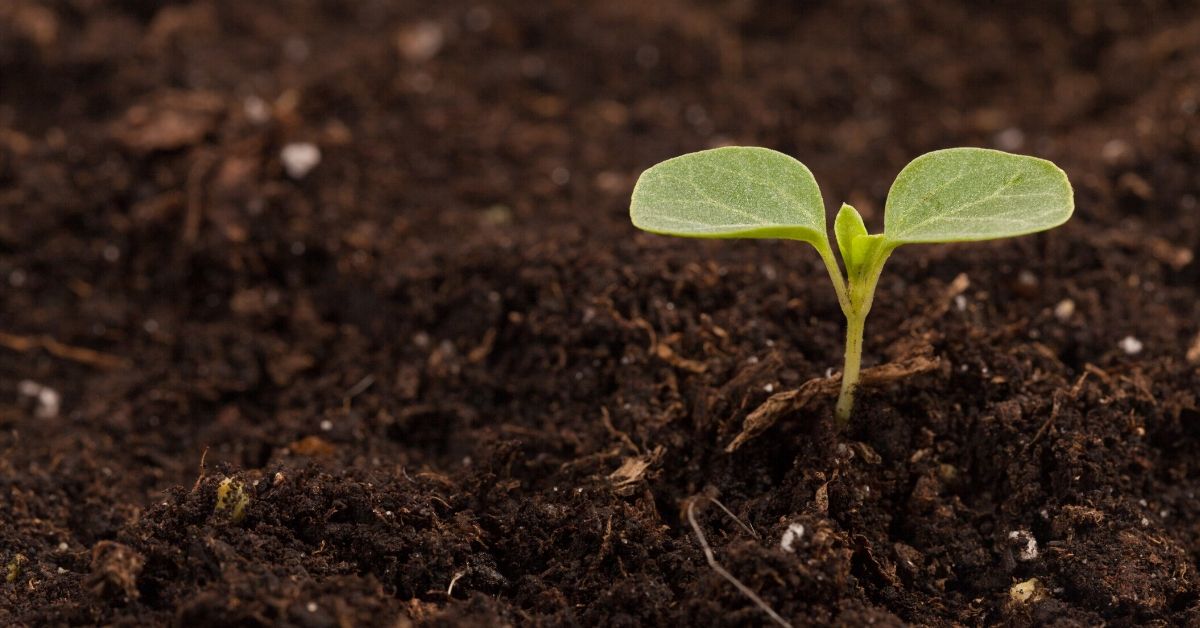
Why All Humic Acids Are Not Created Equal
What Is the Difference Between Humic Acid Products? As the use of humic acid products continues to grow in agriculture, turf management, environmental applications, and home and garden markets, customers often ask an important question: What is the difference between...
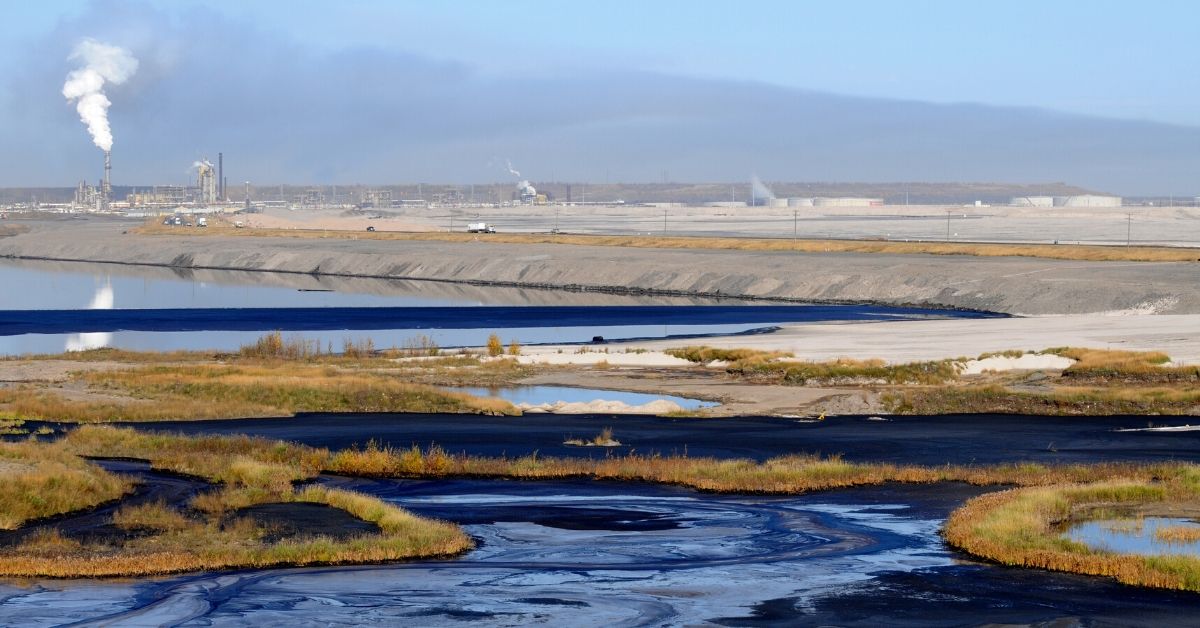
Bio-Dredging Solids in a Lagoon System
Lagoon System: 0.01 MGD Managing Sludge Accumulation in Wastewater Lagoons Municipal wastewater lagoons can experience significant sludge and solids accumulation over time. Wastewater entering lagoon systems often contains high concentrations of organic material. When...

Wastewater System Restart or Initial Start Up?
Wastewater Treatment Plant Startup and Restart Wastewater treatment plants can experience biological upsets for many reasons. Some are predictable, while others occur with little warning. One of the greatest challenges for wastewater operators is determining how to...

Flushable or Not – What is Legal?
Flushable Wipes and Lift Station Clogs: A Growing Wastewater Problem A municipality recently contacted BioLynceus® for help with a new, small lift station that was experiencing repeated problems with flushable wipes clogging wastewater equipment. The operator...
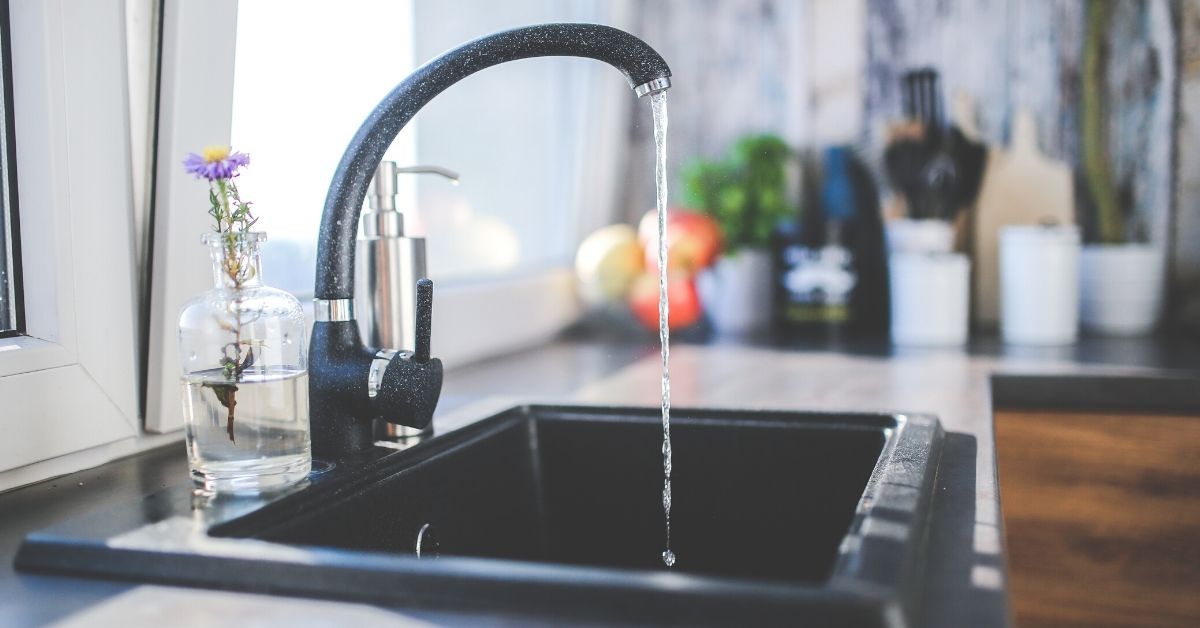
Wastewater Reuse and its Impact on the Environment
Water Reuse for Irrigation: Benefits, Challenges, and Soil Management Water is one of our most valuable natural resources, and protecting supplies of potable drinking water is becoming increasingly important for communities across the United States. Municipalities are...
Soil Biology
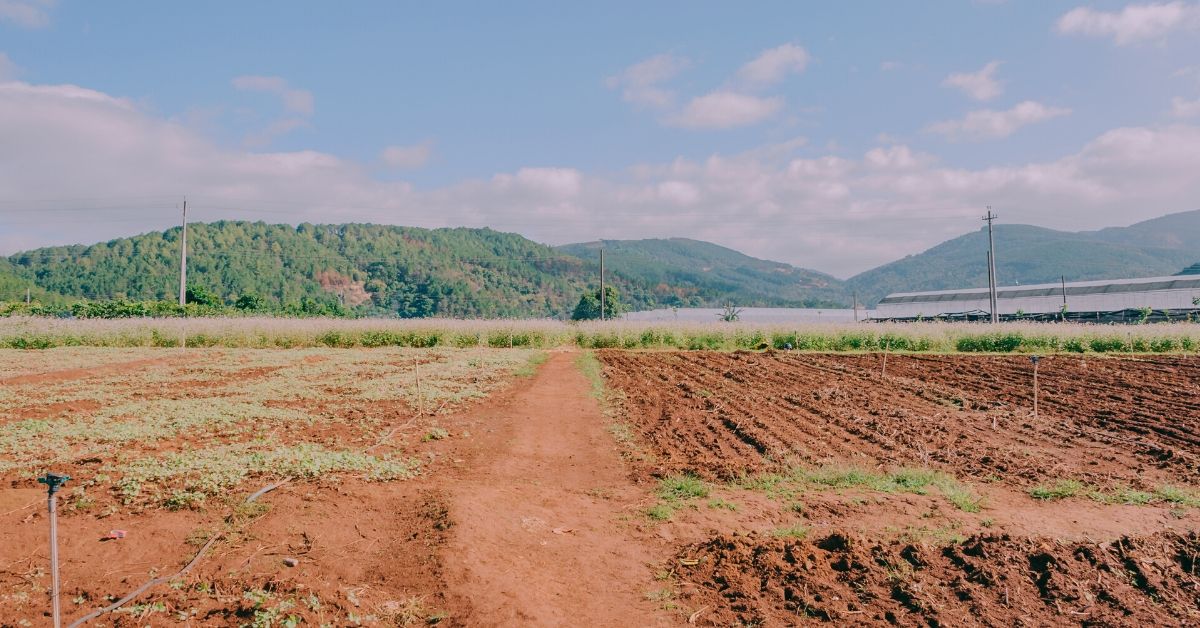
Life in the Soil and Landscape Healthy soil is home to an incredible diversity of living organisms that together form the soil food web. These organisms range from microscopic bacteria, algae, fungi, and protozoa to nematodes, microarthropods, earthworms, insects,...
Biooxidation of Wastewater
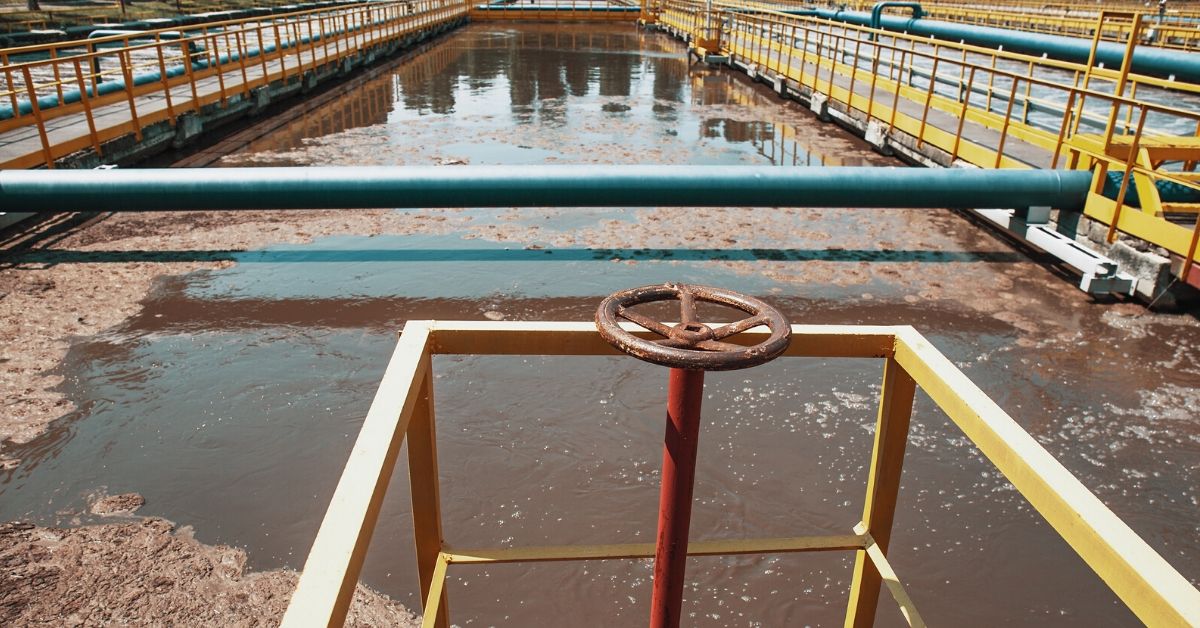
Dissolved Oxygen and Biological Activity in Wastewater Treatment Operators of animal, industrial, and municipal wastewater systems have sometimes reported increases in dissolved oxygen (DO) after applying BioLynceus® products, along with reductions in odors and...
Soil Bioremediation
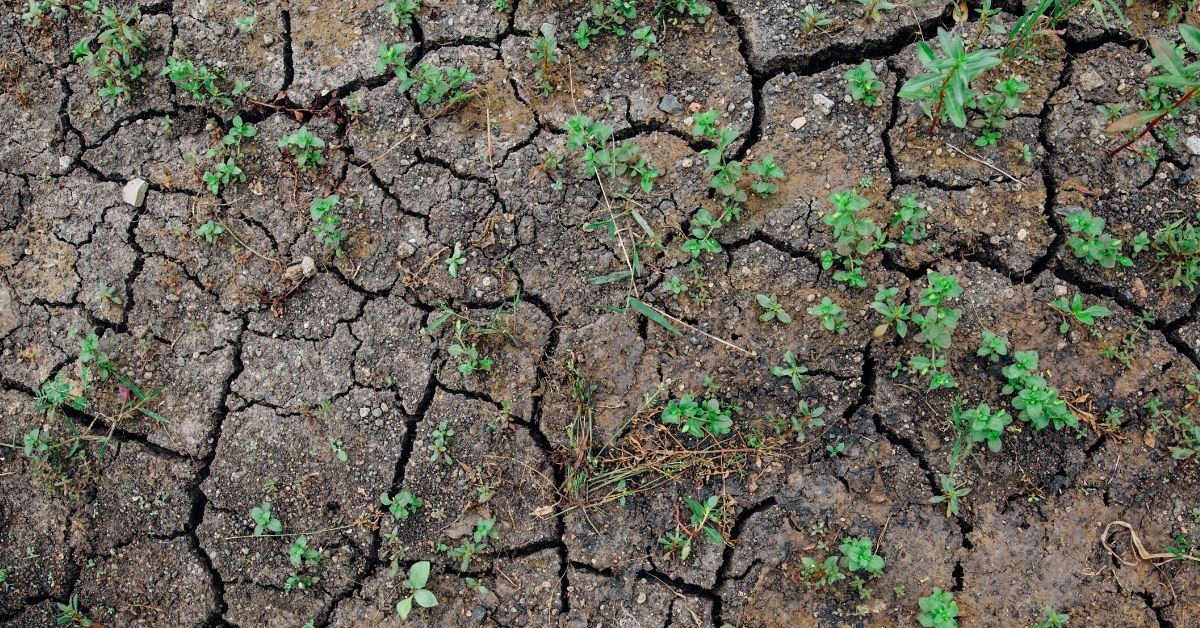
Soil Bioremediation Using Natural Microbial Processes For centuries, people have relied on soil to naturally break down and recycle organic materials. Healthy soil contains diverse microbial communities that decompose organic matter and transform it into simpler...
Soil Microbes and Nutrient Uptake
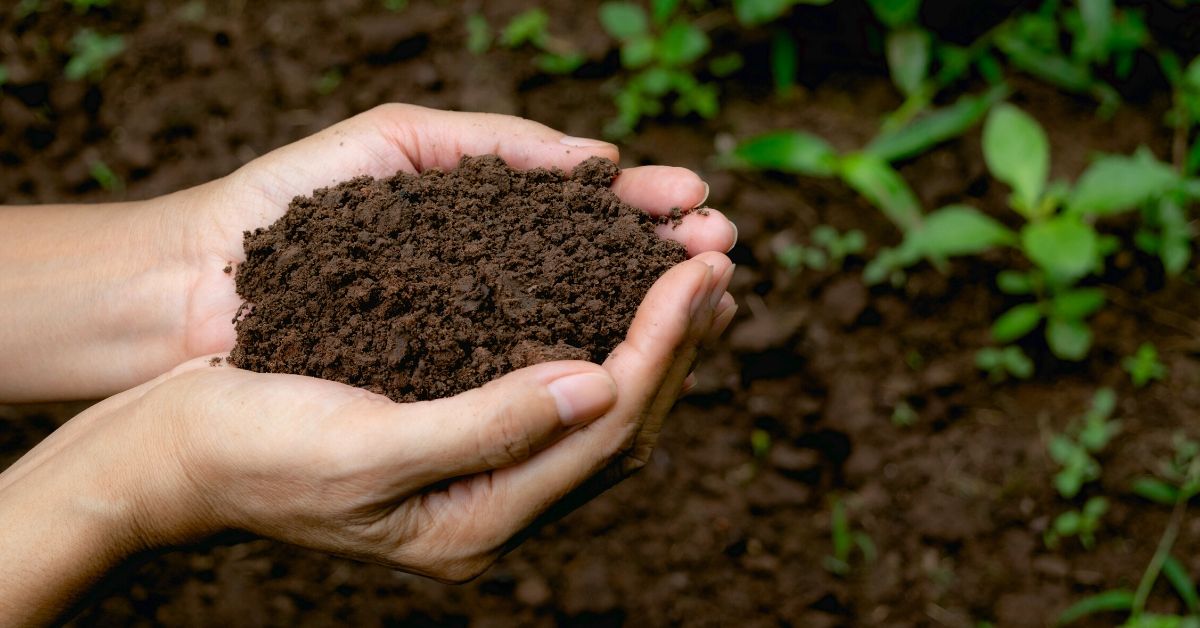
Soil Microbiology and the Rhizosphere Improved crop growth from effective soil and crop management practices is closely connected to biological activity around plant roots. This area of soil is known as the rhizosphere. It contains a complex community of bacteria,...
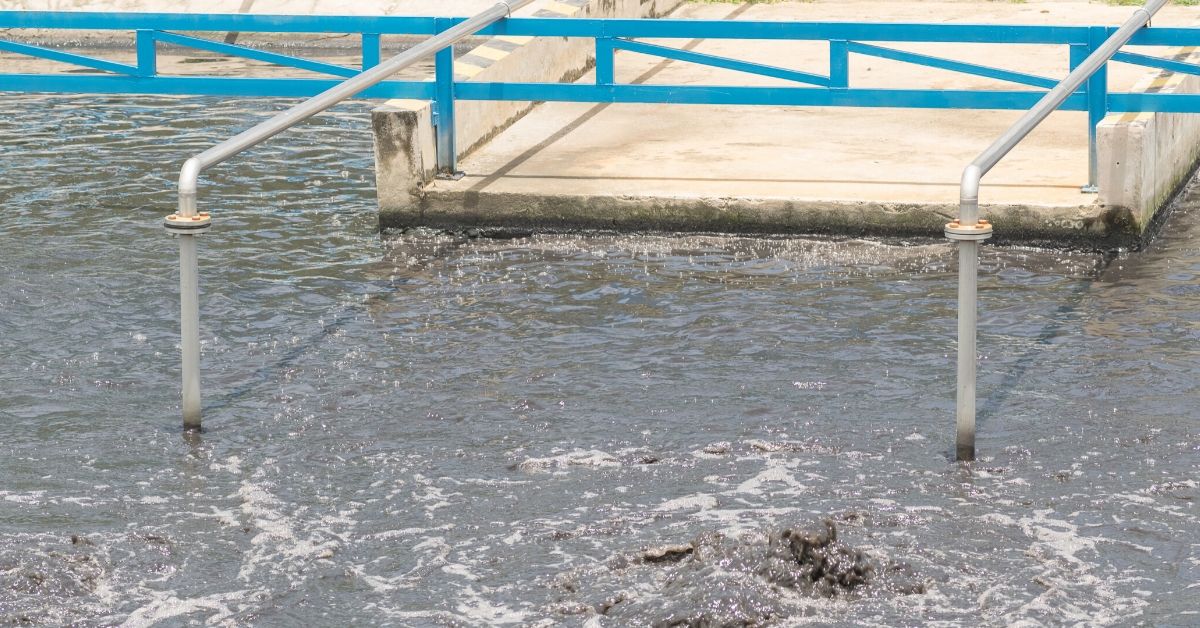
Webinar – Solids Reduction
ProBiotic Dredging® for Wastewater Solids Reduction BioLynceus® resident expert Tanner Hartsock explains how ProBiotic Dredging® can support solids reduction in wastewater lagoon systems. ProBiotic Dredging® uses biological treatment to help break down accumulated...
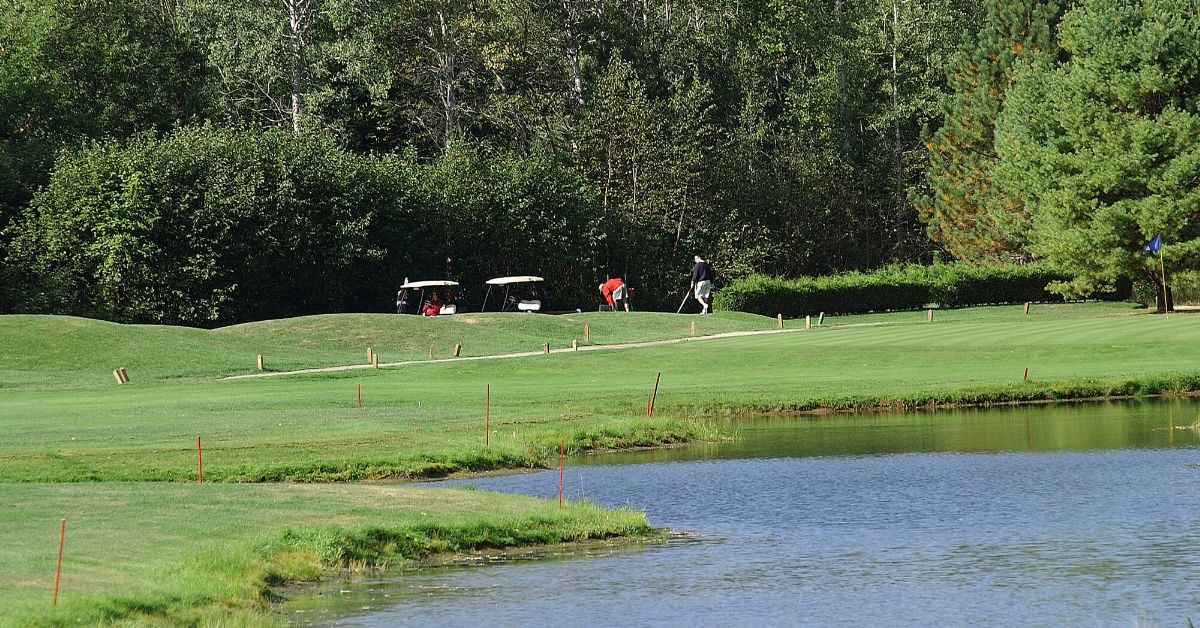
Water Clarity Treatment In Irrigation Ponds
Water Clarity Problems in Golf Course Irrigation Ponds A country club in Montana was experiencing ongoing water clarity problems in two irrigation ponds with a combined surface area of approximately 5.5 acres. The ponds were supplied with treated wastewater and also...
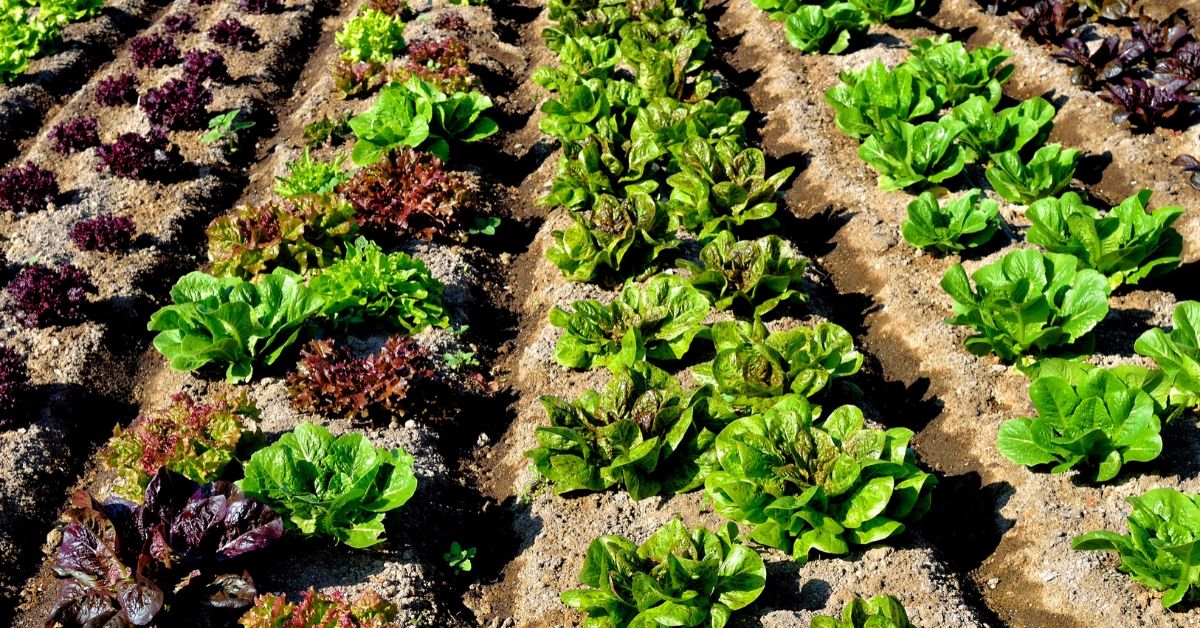
Soil, Microbes and Water Management
How Soil Structure and Microbes Improve Agricultural Water Management The following research article, developed by the BioFlora® team at the Integrated Life Science Research Center, explains how soil structure, aggregate stability, and microbial activity influence...

Effluent Water and Lake Cleanup
Managing Pond Odors, Algae, and Nutrient Loading How Effluent and Runoff Affect Pond Water Quality The term effluent generally refers to water or wastewater flowing out of a treatment process, facility, or other system. In golf course and landscape environments, ponds...
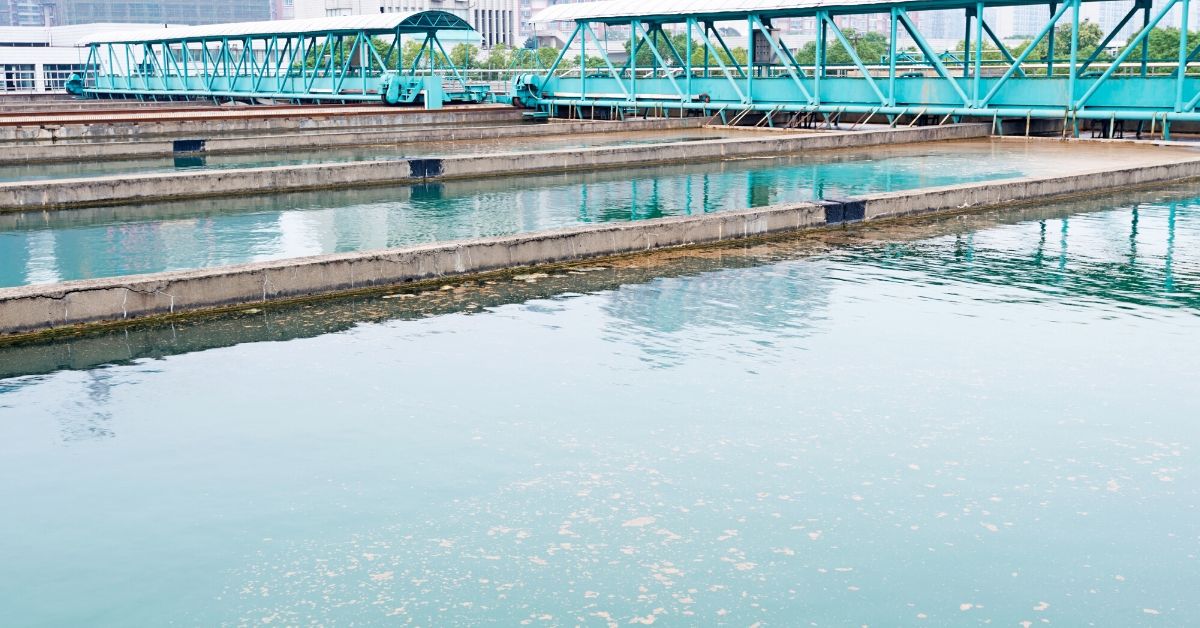
4 Ways to Balance Food to Microorganism Ratio (F:M) in Wastewater Treatment
Balancing F:M Ratio Wastewater treatment requires a constant balance between the organic carbon entering the plant and the amount of microorganisms available to consume the influent material. This relationship is known as the food-to-microorganism ratio (F:M). The “M”...
Regulate Filamentous Bacteria in Wastewater Treatment
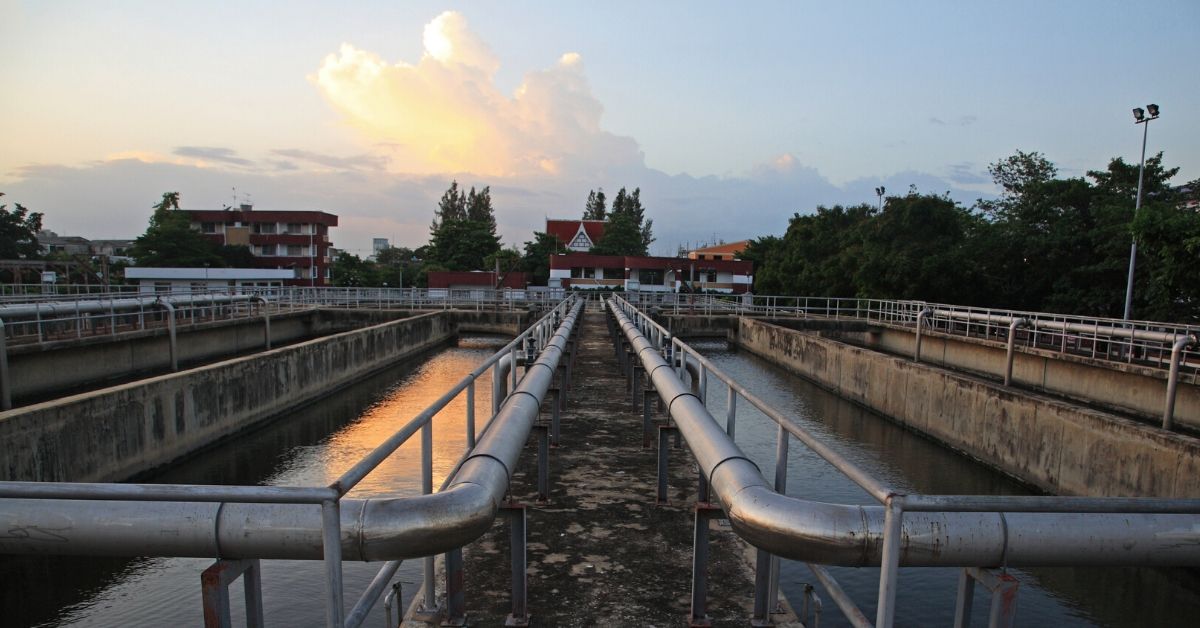
Filamentous Bacteria Treatment in Wastewater Systems Managing filamentous bacteria (FB) in wastewater treatment systems requires maintaining the right biological balance. Excessive filamentous growth can contribute to foaming, poor sludge settling, and reduced...
Webinar – The Soil Food Web
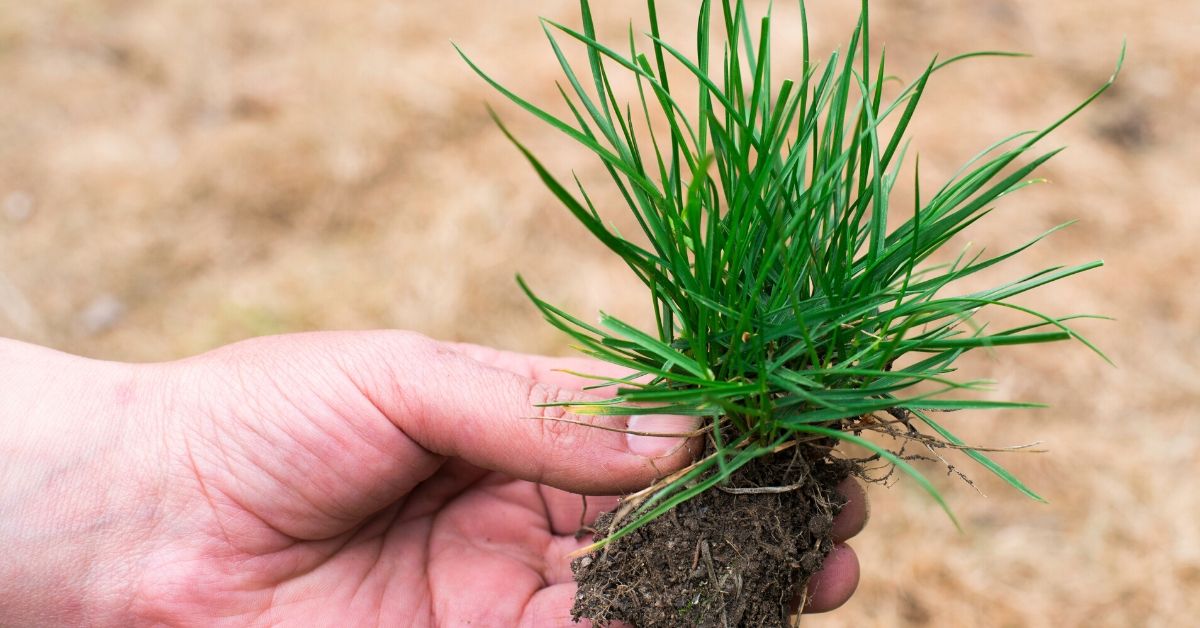
Building the Soil Food Web with Sustainable Soil Programs BioLynceus® resident expert Mark Sembach explains how organic and sustainable soil programs can help support a healthier soil food web. The soil food web is a complex community of microorganisms, organic...
BioLynceus® Hemp Program
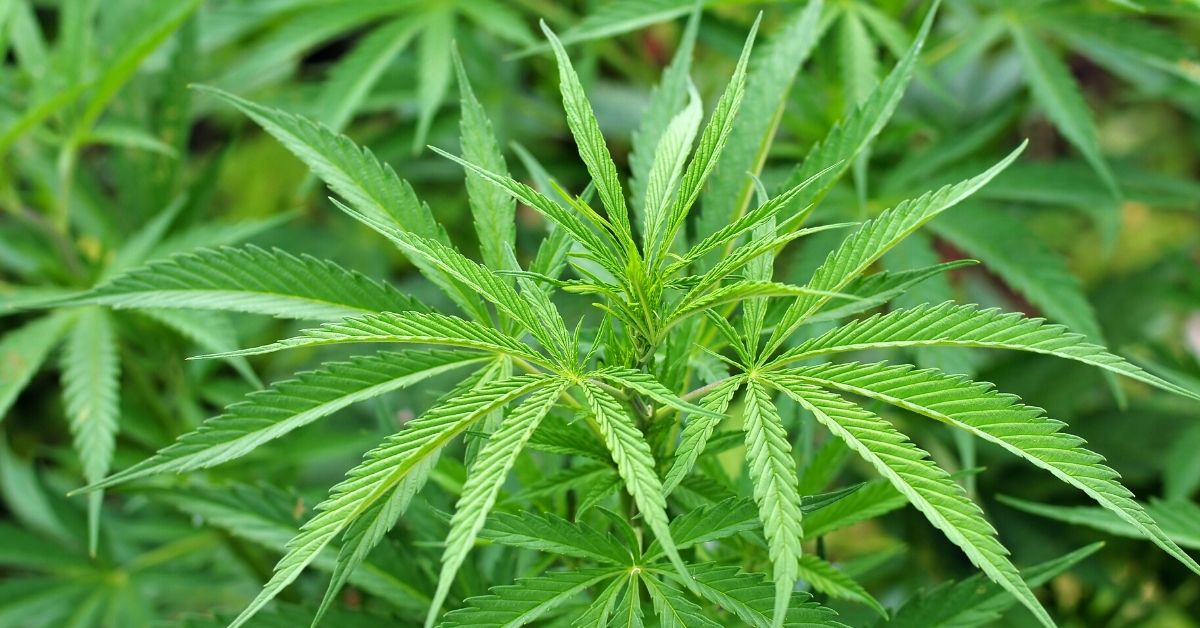
Hemp Production as an Agricultural Crop Industrial hemp is grown from cannabis varieties cultivated for fiber, grain, seed, oil, and other non-intoxicating commercial uses. Hemp can be processed into a wide range of products, including: Food ingredients Textiles Paper...

Solids Reduction in a Municipal Lagoon System
Reducing Sludge in Wastewater Lagoons One of the most persistent challenges in lagoon wastewater treatment is managing accumulated solids, or sludge. Lagoon systems are designed to biologically reduce organic material during wastewater treatment. However, over time,...
5 Ways to Reduce Wastewater Solids
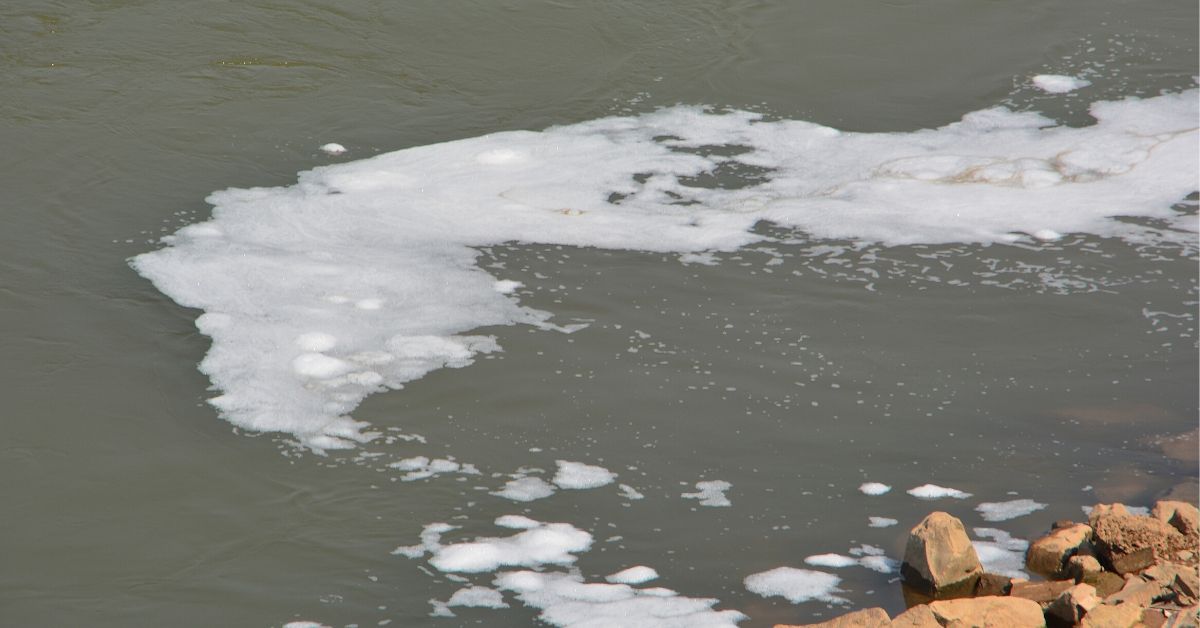
How to Reduce Solids in Wastewater Treatment Solids are an unavoidable challenge in wastewater treatment. Even highly efficient treatment systems must manage, remove, or dispose of some residual material. The three primary types of solids discussed in this article...

BioLynceus® Turf Products FAQs
BioLynceus® Turf and Soil Health FAQs Do BioLynceus® Products Replace Commercial Fertilizer? BioLynceus® products are designed to support soil biology and fertilizer efficiency, rather than immediately replace a balanced fertilizer program. Golf course...

Revegetating Mine Waste Using Bioaugmentation
Revegetation is a powerful tool used to retain mine drainage and stabilize waste rock piles after mining activities. However, promoting plant growth on mine waste rock pilescan be challenging. These environments typically have limited topsoil development and steep...
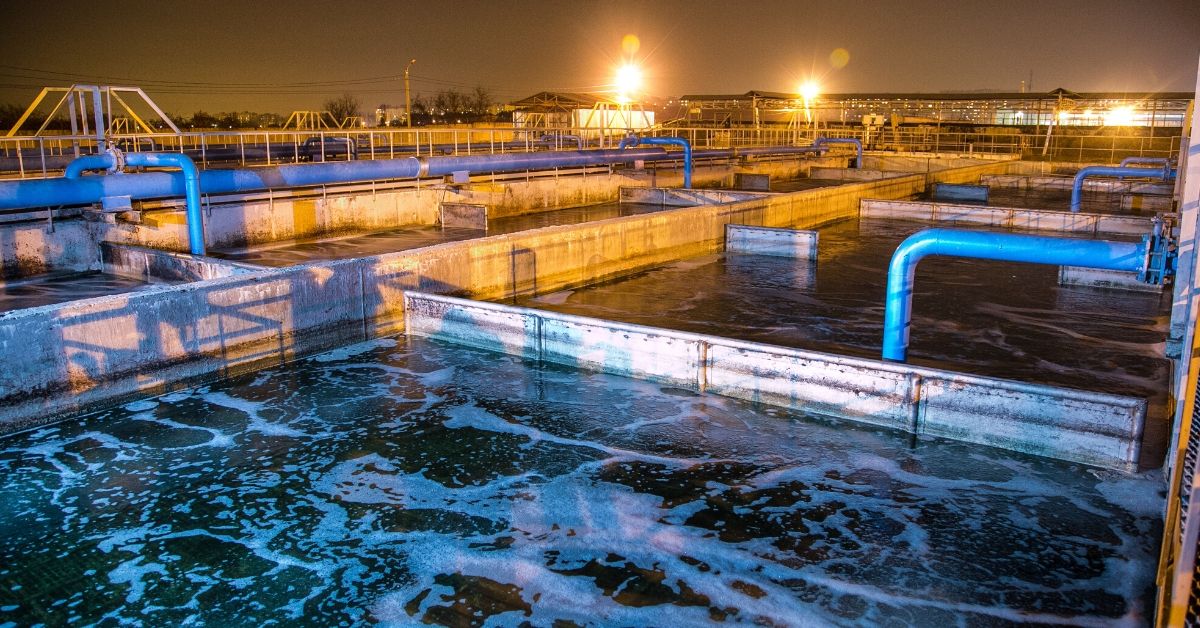
7 Ways to Reduce FOG in POTW
How Fats, Oils, and Grease Affect Wastewater Collection Systems Excess fats, oils, and grease (FOG) discharged into wastewater collection systems can create serious operational problems for Publicly Owned Treatment Works (POTWs). FOG can accumulate inside sewer lines,...

High Stakes: Marijuana and Wastewater
Why Your Municipality Should Complete a Pretreatment Survey As businesses, manufacturing processes, and consumer products continue to change, municipal wastewater utilities need to understand what is entering their collection systems. A comprehensive pretreatment...

City Park Turf Bioaugmentation
Turf and Landscaping Study: 11.5 Acres A Parks Department in a Wyoming municipality conducted a study across 11.5 acres of city park turf to evaluate the effects of biologically enhanced soil amendments on turf quality, plant health, and soil conditions. BioLynceus®...
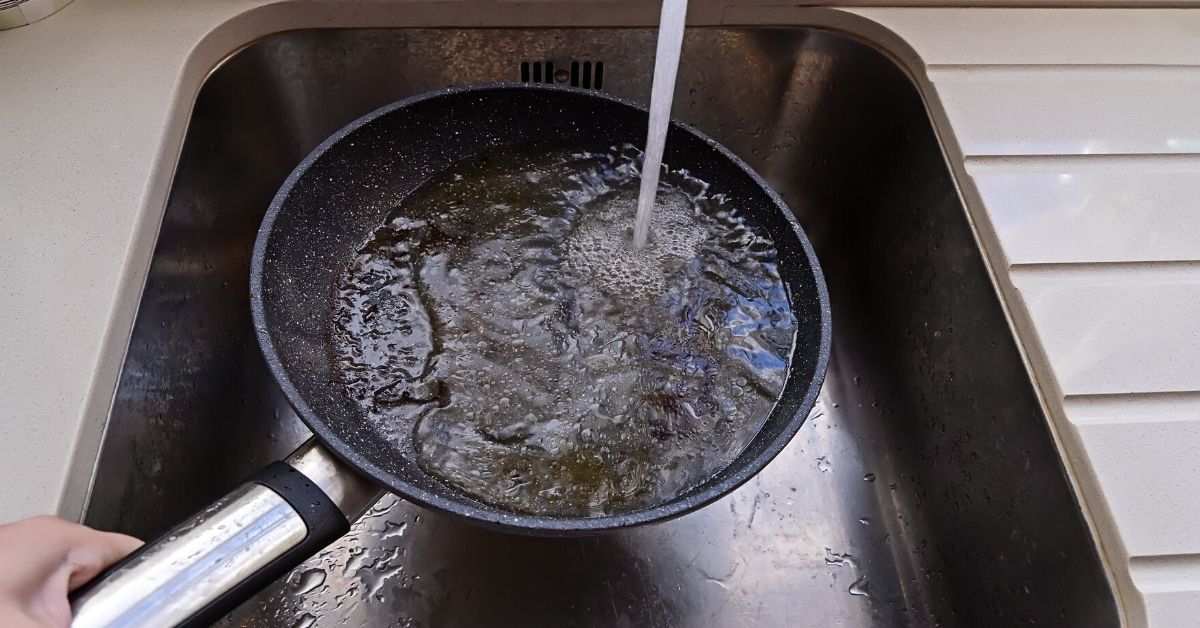
7 Ways FOG are Introduced into Publicly Owned Treatment Works
7 Common Sources of Fats, Oils, and Grease in Wastewater Systems Publicly Owned Treatment Works (POTWs) often face challenges controlling fats, oils, and grease (FOG) entering municipal wastewater collection systems. Excessive FOG can accumulate inside sewer lines,...

What Can Microbes Do For You? Part II
The Power of Lagoon Systems It is common knowledge that bacteria thrive in some environments better than others. Bacteria can only consume or degrade compounds they touch or attach to. One of the best systems to increase contact/retention time is a lagoon...

Golf Course Turf Bioaugmentation
Turf and Landscaping 150 Acres A golf course in the Colorado Front Range was having trouble growing healthy turf. The site was previously used for agriculture and sod production. Because of this, the golf course had variable soil conditions with little to no topsoil...
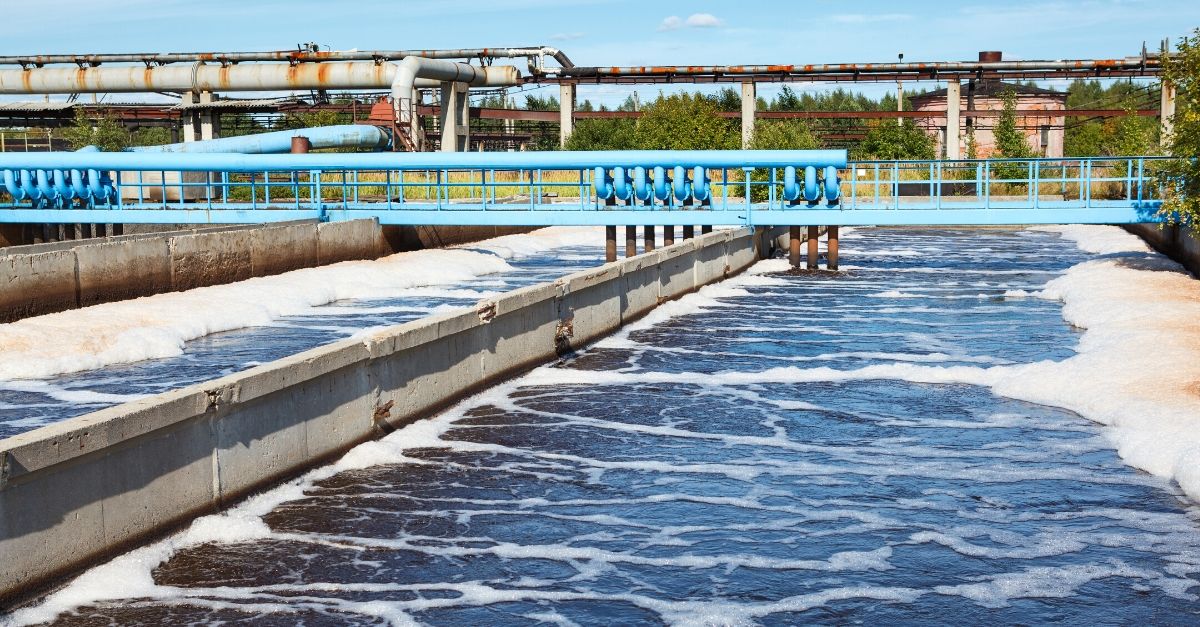
Webinar – Food to Microbe Ratio (F:M)
Understanding the Food-to-Microorganism Ratio (F:M) in Wastewater Treatment BioLynceus® wastewater expert Tanner Hartsock explains how the food-to-microorganism ratio (F:M) can affect biological wastewater treatment and overall plant performance. The F:M ratio...
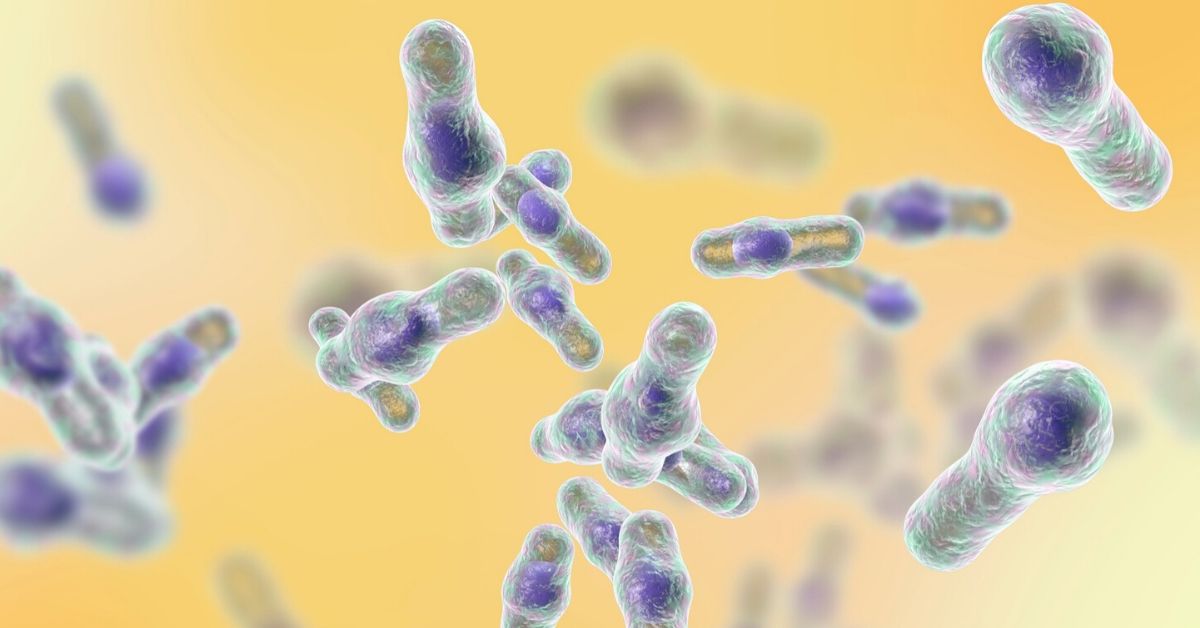
What Can Microbes Do for You? Part I
Speeding Up Mother Nature with Microbiology After more than 20 years working in the environmental industry, one of the most common questions I have been asked is: “What can microbes do for me?” A better question may be: What treatment objective do you want...

Pond Clarity Testimonial
Landscape Pond Algae and Odor Control with ProBiotic Scrubber® I Kari Brittain, Landscape Department Manager at Caras Nursery and Landscape, used BioLynceus® ProBiotic Scrubber® I (PBI) in several client landscape ponds experiencing recurring algae blooms and odor...

Freshwater Remediation Testimonial
Big Elk Meadows Freshwater Lake Treatment Testimonial Beginning in 1999, Big Elk Meadows contracted with BioLynceus® to help improve the water quality of its freshwater lakes, which serve as a source of drinking water for the community. The lake system was...
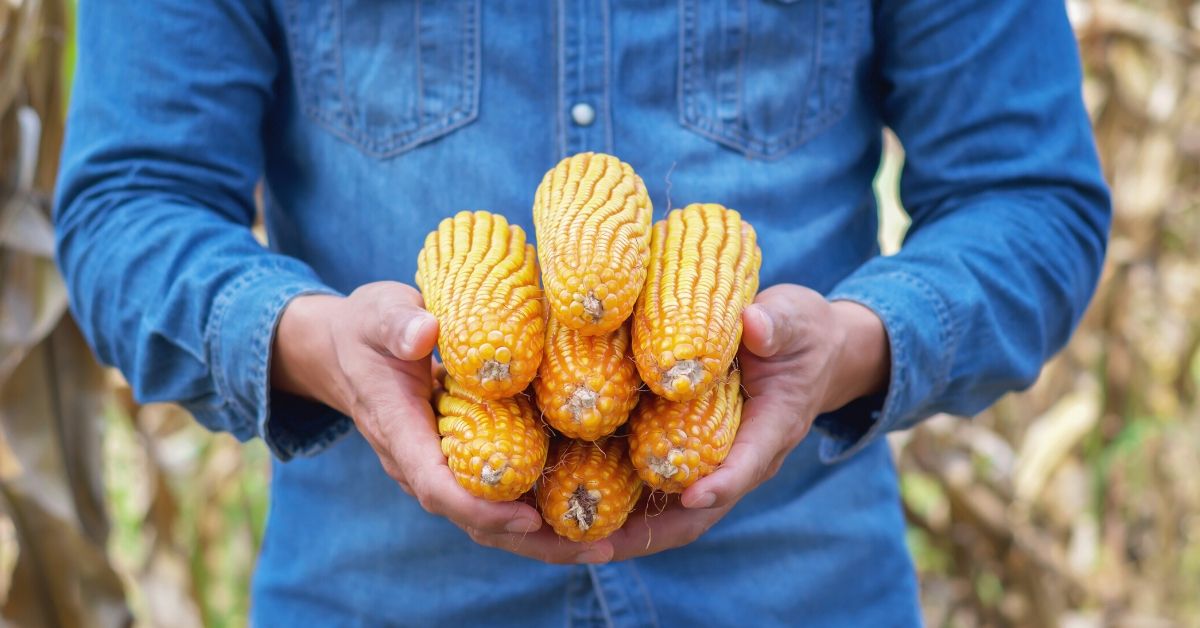
Corn Testimonial
Dryland Corn and Wheat Results with Lot 125® Darwin Jeffers of Phillips County, Colorado, incorporated BioLynceus® Lot 125® into his dryland farming program to support soil health and crop production. In 2010, Jeffers applied Lot 125® to former Conservation Reserve...

Soil Remediation Testimonial
Buffalo Run Golf Course Turf Management Testimonial Many years have passed since I became the Golf Course Superintendent at Buffalo Run Golf Course in Commerce City, Colorado. Back in 2000, I used to joke that the property looked more like a dirt bike course than a...

Freshwater Lake Testimonial
Stonecreek Golf Club Lake Treatment Testimonial Stonecreek Golf Club applied BioLynceus® ProBiotic Scrubber® I to the lakes located near hole number six as part of a biological water-management program. According to Assistant Superintendent Alan Ashton, the treatment...
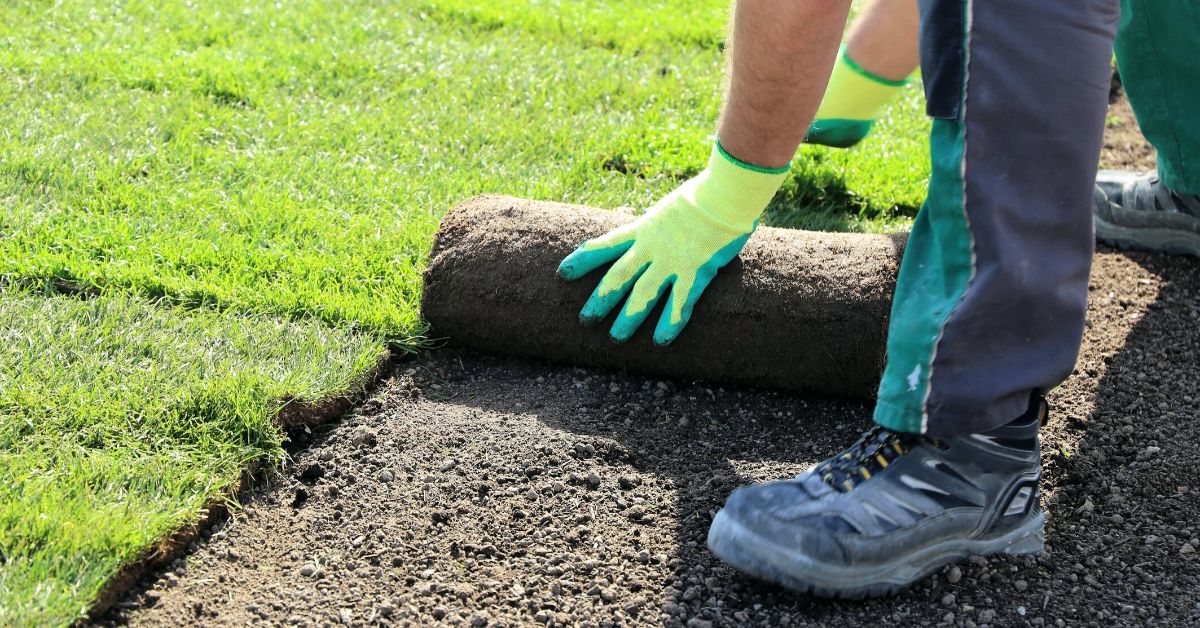
Turf Farm Testimonial
Green Acres Turf Farm Testimonial Green Acres Turf Farm of Colorado has used BioLynceus® products for more than four years as part of its turf production and soil-management program. During that time, the farm has incorporated Humega®, Lot 125®, and Fulvex® to support...
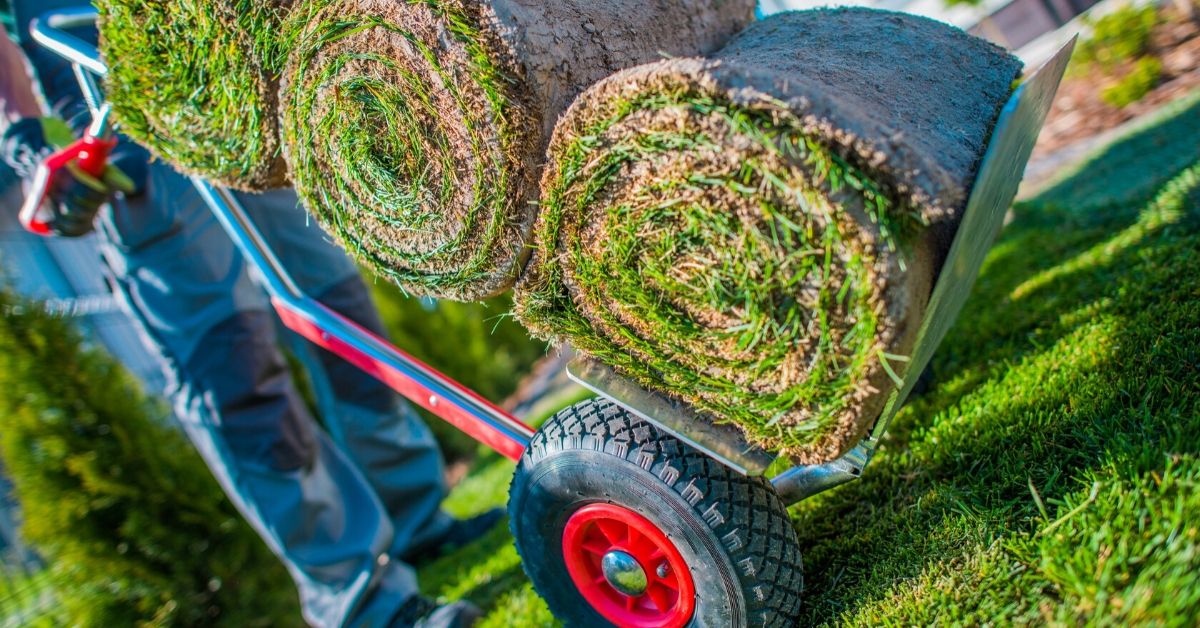
Turf Farm Testimonial
Green Acres Turf Farm Testimonial with Humega® Randy Hiraki, Operational Manager at Green Acres Turf Farm, Inc., reported several positive results from incorporating BioLynceus® Humega® into the farm’s turf production program. Based on the results observed at the...
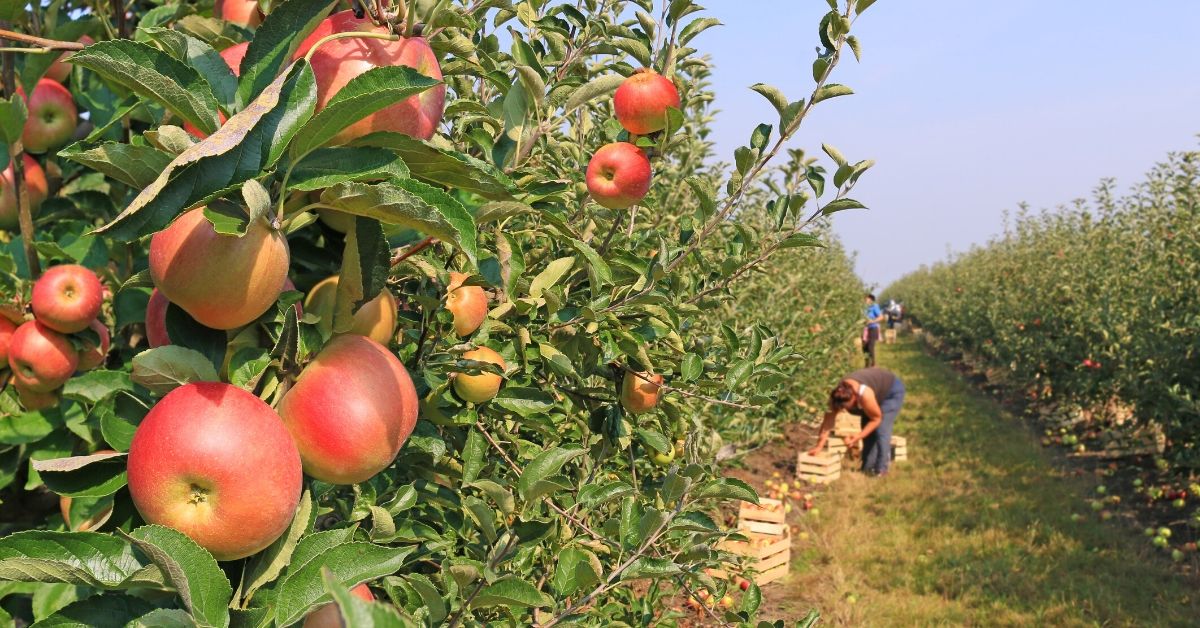
Organic Farm Testimonial
Western Colorado Organic Orchards Soil Health Testimonial Western Colorado Organic Orchards, Inc. is a certified organic farm managing approximately 29 acres of fruit and vegetable production. Over a four-year period, the farm incorporated several BioLynceus® and...

Golf Course Turf Testimonial
Golf Course Soil Health Testimonial with Lot 125® Several years ago, The Country Club at Castle Pines began incorporating BioLynceus® Lot 125® into its overall agronomic and turf-management program. The product was included in routine spray-tank applications...

Homeowner Lawn Testimonial
Homeowner Lawn Care Testimonial Ray Frank used BioLynceus® Humega® and TurfMaster® as part of his residential lawn-care program in Aurora. According to Frank, his lawn remained green and healthy during the hottest part of the summer while he continued to follow the...

Golf Course Turf Testimonial
Humega® Turf Management Testimonial Mark Clarck, Golf Course Superintendent at the Country Club of Green Valley, has used BioLynceus® Humega® for more than four years as part of his turf management program. During that time, he reported several improvements in turf...

Landscape and Lawn Testimonial
Landscaping and Lawn Care Testimonial with Humega® James Hoiland of Greenup Lawn & Landscape began using BioLynceus® Humega® on client lawns, landscape installations, and newly transplanted plants. According to Hoiland, the treatment produced noticeable improvements...
Turf Farm Testimonial
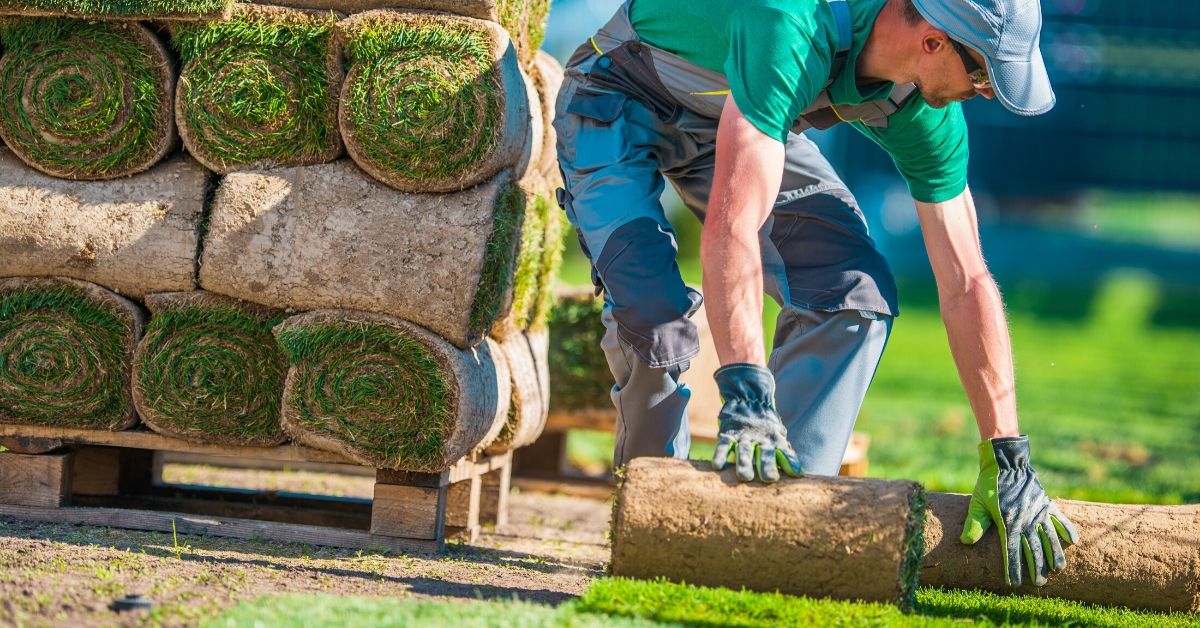
Turf Grass Success with Lot 125® We recently had a very positive experience with turf grass grown using BioLynceus® Lot 125®. A client asked us to provide large rolls of sod without using turf netting. Because of the strong root development we had observed in turf...

Recreation Field Testimonial
Athletic Field Root Development at St. Vrain Valley School District St. Vrain Valley School District has used BioLynceus® Humega® and TurfMaster® at the Niwot High School Athletic Park. The complex includes heavily used softball, soccer, and baseball fields, making...

Golf Course Testimonial
Wickenburg Country Club Turf Management Testimonial Floyd White, Golf Course Superintendent at Wickenburg Country Club, has used an organic BioFlora® turf-management program for approximately six years. After testing several liquid fertilizer combinations, he settled...

Blowout of Hydrocarbon and Brine
Soil Remediation After a Hydrocarbon and Brine Well Blowout In 2012, the United States Forest Service began using BioLynceus® treatment protocols to support the remediation of land impacted by a well blowout. The uncontrolled release contained a mixture of:...
Treatment Solutions for Fats, Oils and Grease
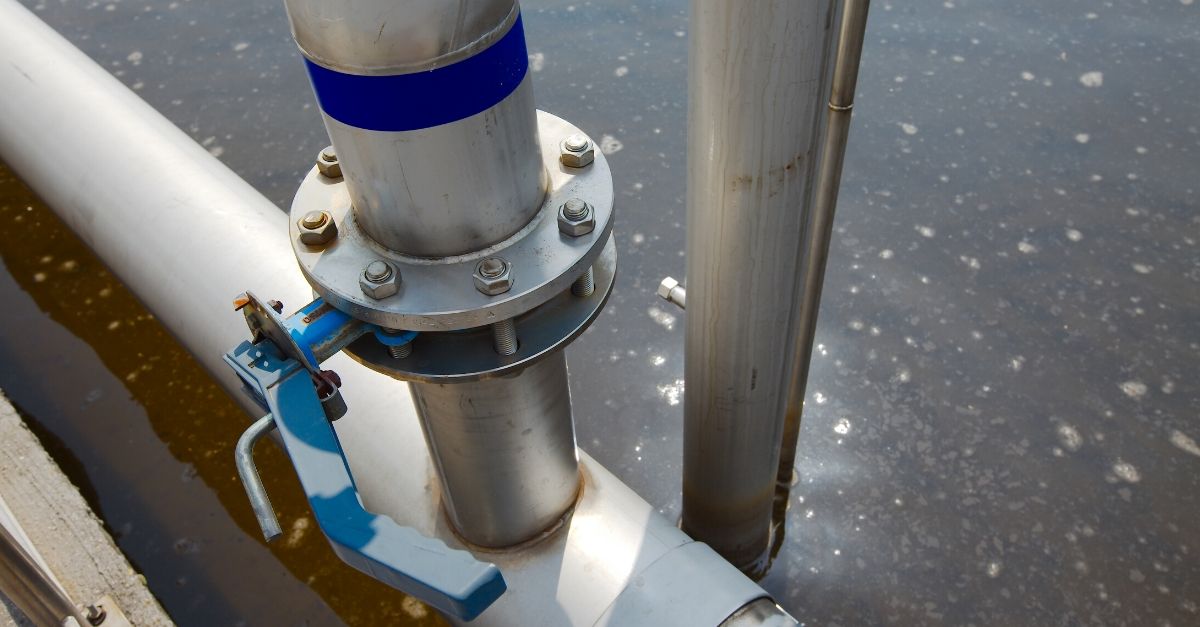
Microbial Grease Remediation BioLynceus® biological products are designed to support grease reduction and organic waste degradation in wastewater collection systems. When introduced into a collection system, beneficial microorganisms can supplement existing microbial...
Products links
Product Description Candy Carbon® (CC) is an external organic carbon (EOC) product used by wastewater facilities to enhance biological processes and increase organic carbon when and where needed. This product may promote a diverse bacterial population for enhanced...
Webinar – BioFlora Seaweed Cream®
https://youtu.be/-1SlLMNsx3w Resident expert, Scott Anderson, shares how BioFlora Seaweed Cream® boosts root development early in the spring as well as assists fruit set and increases protein and feed value. This is a short video that lasts less than 7 minutes.
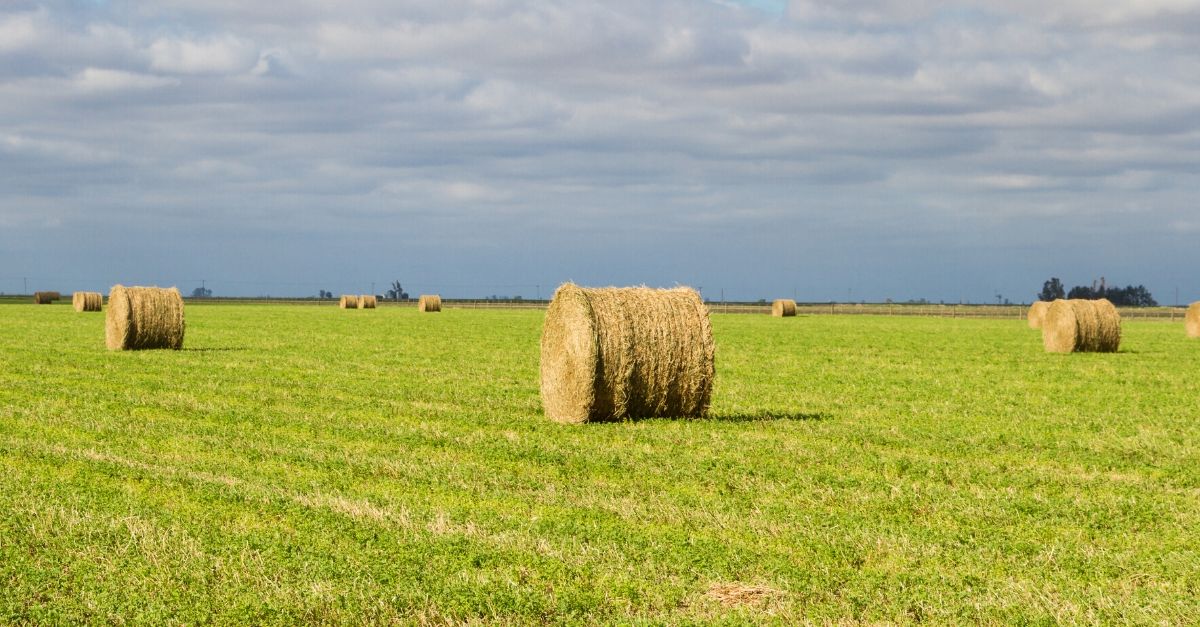
Webinar – BioFlora Fulvex®
Resident expert, Scott Anderson, shares how Fulvex® gets plants off to a quicker start and effectively forces nutrients into the plants. This is a short video that lasts less than 5 minutes.
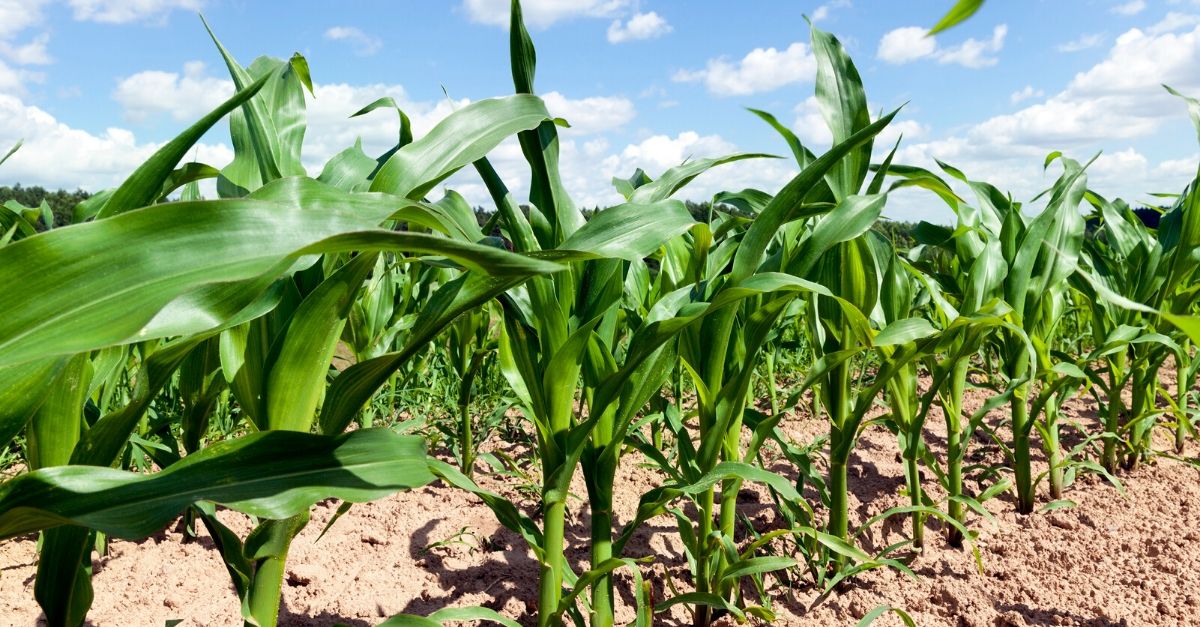
Webinar – Lot 125®
Resident expert, Scott Anderson, shares how Lot 125® works with the soil food web for healthy soils and crops. This is a short video that lasts less than 5 minutes.
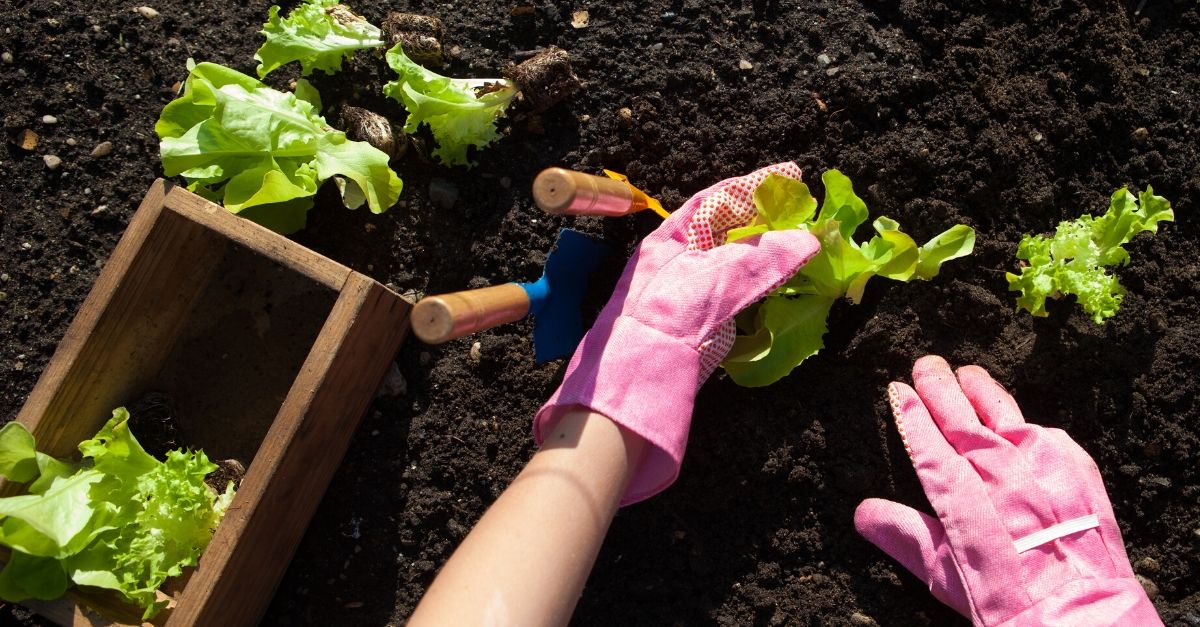
Healthy Soils Produce Healthy Plants
Healthy Soils: Farm the Soil, Not the Plant After more than 26 years working as an environmental consultant, I have learned an important lesson about soil and water management: healthy plants begin with a healthy living ecosystem beneath the surface. Whether you are...

Crystal Meth and Your System
Recognizing Toxic Chemical Discharges in Wastewater Systems Illicit chemical discharges can create serious problems for municipal wastewater treatment facilities, particularly smaller rural systems with limited treatment capacity. Chemicals associated with illegal...
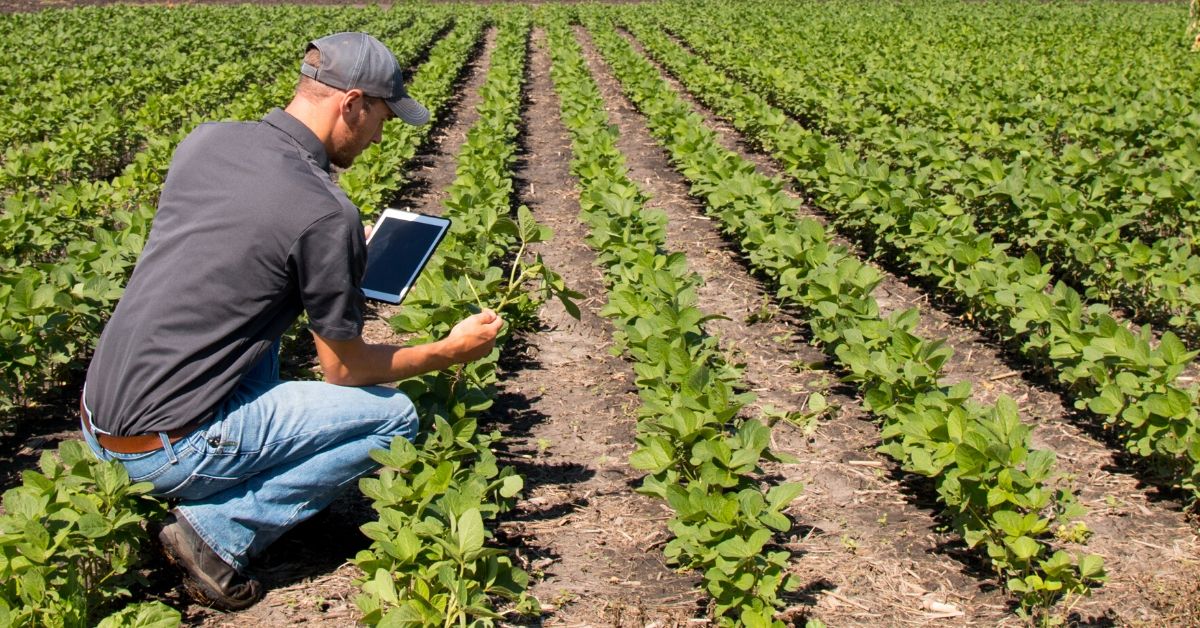
BioLynceus® Products in Agricultural Soils FAQs
BioLynceus® Soil Health and Biological Agriculture FAQs Do BioLynceus® Products Replace Commercial Fertilizer? BioLynceus® products are designed to improve soil biology and fertilizer efficiency, rather than immediately replace a balanced fertilizer program. Growers...
Whence Comest Your Humic Acids?
Numerous articles within the past five years have given the particulars of the whys and wherefores of organic acids. The dilemma when purchasing humic acid (HA) and fulvic acid (FA) products should revolve around both guaranteed percents and parent materials. There...
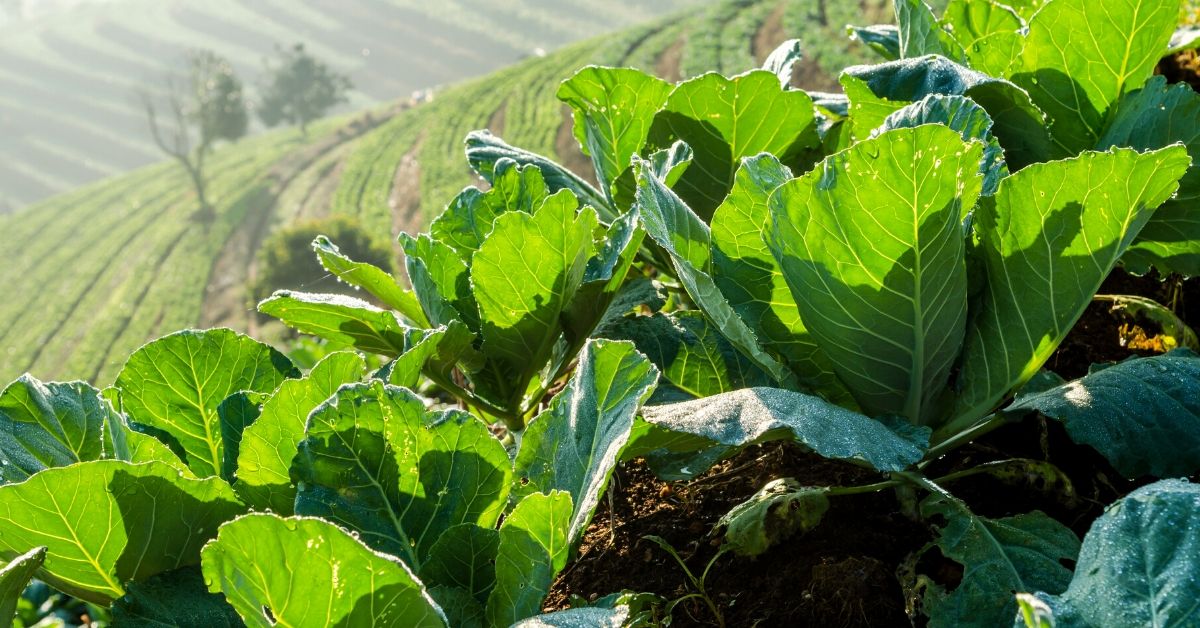
Tread Lightly On Our Little Friends In The Soil
Soil Is a Living Biological Community Every area of soil contains a unique combination of organic matter, minerals, microorganisms, and plant roots. The balance of bacteria, fungi, protozoa, and other soil organisms varies depending on the ecosystem and how the land...
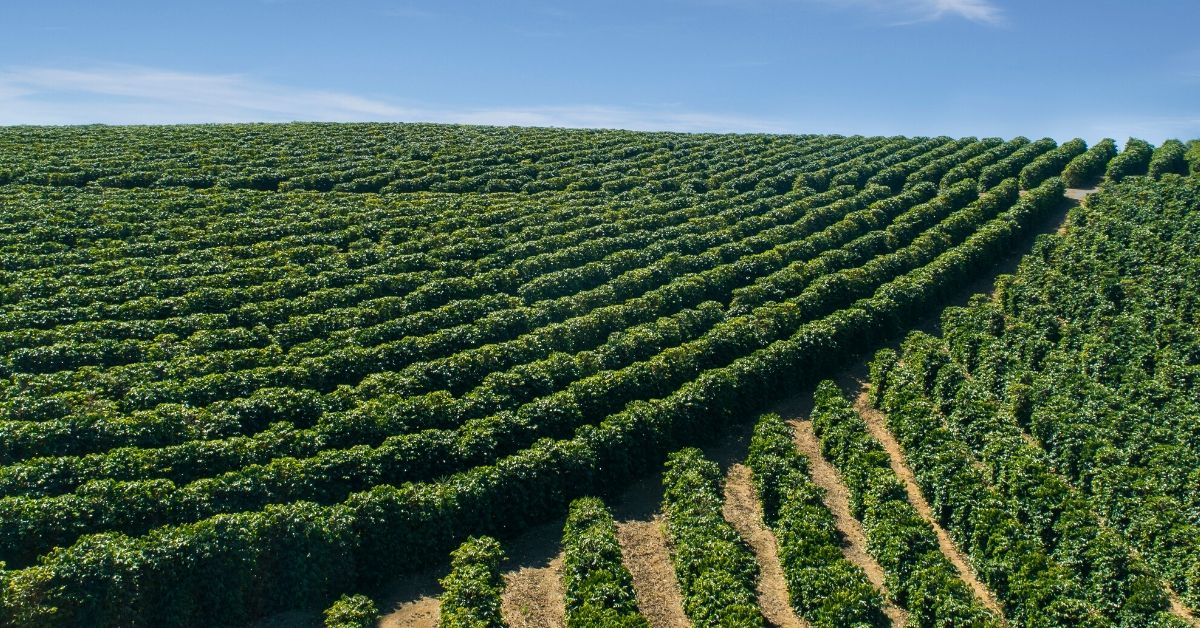
How Lot 125® Can Help Plants Receive Needed Sulfur
Sulfur Mineralization and Soil Microbiology Sulfur is an essential plant nutrient, but much of the sulfur found in soil is bound within organic compounds and is not immediately available for plant uptake. Soil microorganisms play an important role in sulfur...
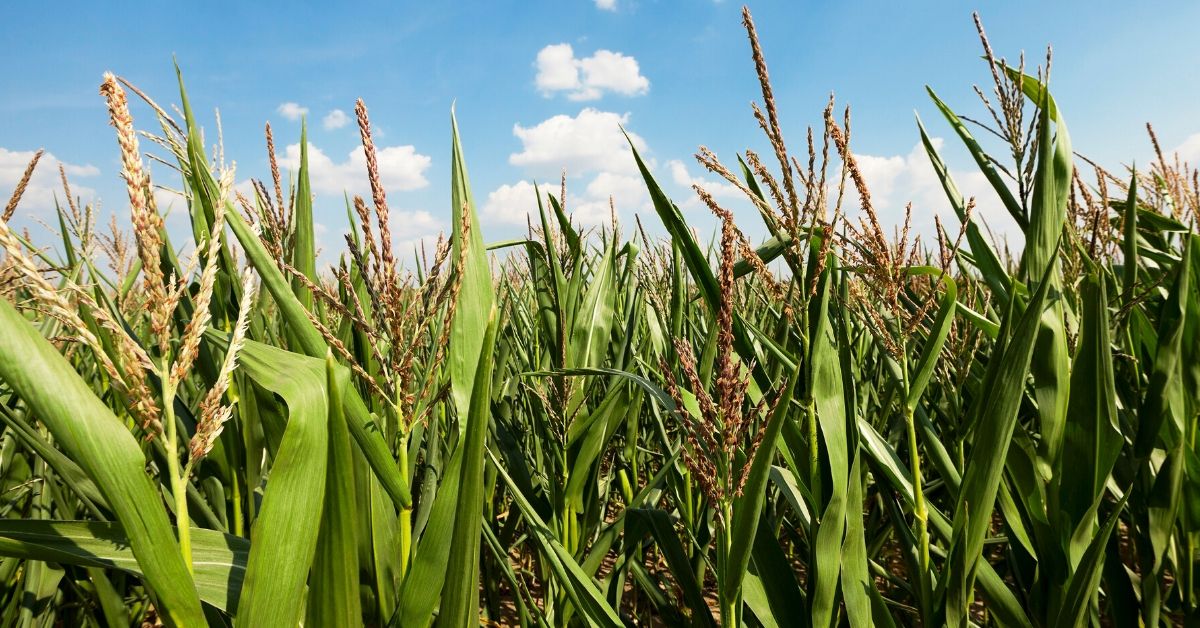
Mega-Millions of Microbes
Supporting Soil Health with Lot 125® Lot 125® combines organic carbon, humic acids, fulvic acids, beneficial microorganisms, and other naturally derived components to support soil health and plant development. Building and maintaining an active soil microbial...
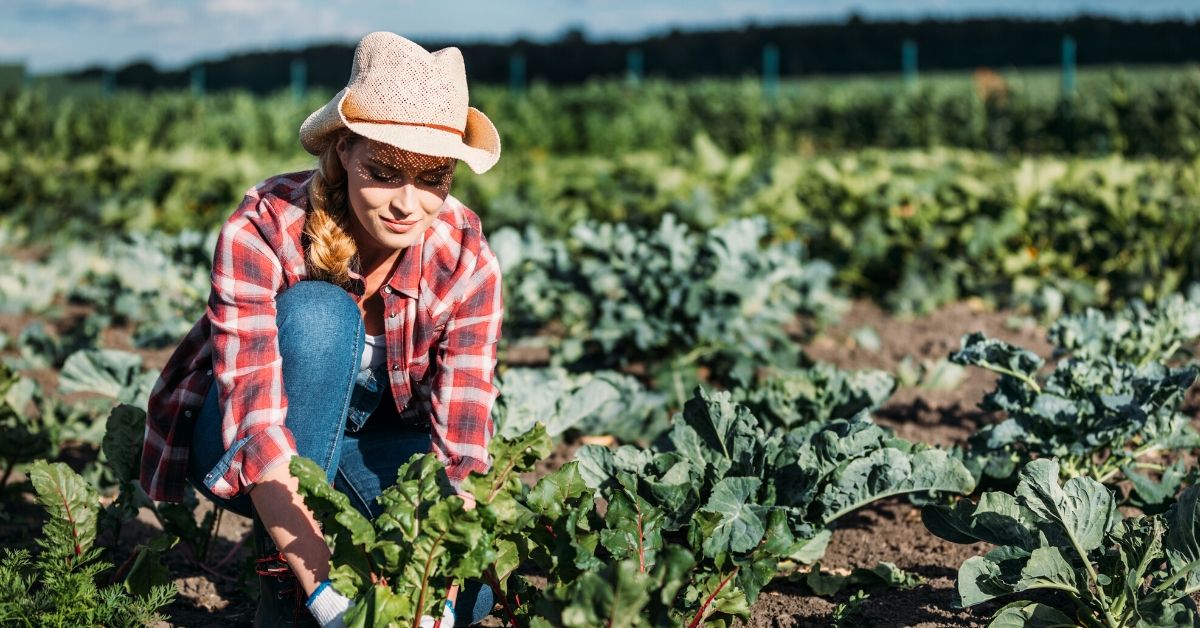
Benefits of Using Lot 125® Blend
Soil Compaction Improving Soil Structure and Reducing Compaction Lot 125® is formulated to help improve soil structure in heavy and compacted soils. In soils with elevated sodium, magnesium, or tightly bound clay particles, poor aggregation...
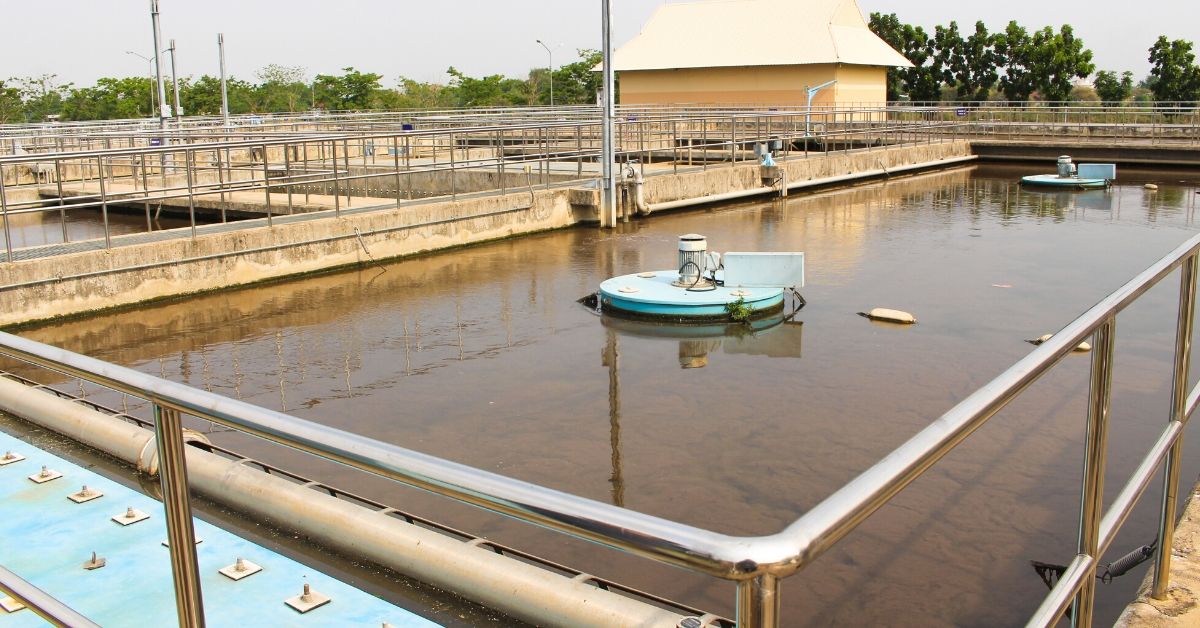
BOD₅ and TSS Pretreatment for an Aerated Lagoon System
Collection System 0.02 MGD Publicly owned treatment works (POTWs) receiving wastewater from industrial sources often experience treatment complications from high biological oxygen demand (BOD5) and total suspended solids (TSS) loads. Establishing an...

Water Clarity Bioaugmentation in a Freshwater Pond
Freshwater Pond Treatment: 2 Acres High nutrient levels and accumulated organic matter can significantly reduce water clarity in freshwater ponds. When excess nutrients enter a pond, they can create eutrophic conditions that promote rapid algae growth. As algae and...

Improving Water Clarity in Freshwater Lakes
Freshwater Lake Treatment: 4–6 Acres Maintaining good water clarity and water quality is especially important for freshwater lakes used for drinking water, recreation, and other community purposes. Freshwater systems continuously receive organic material from...
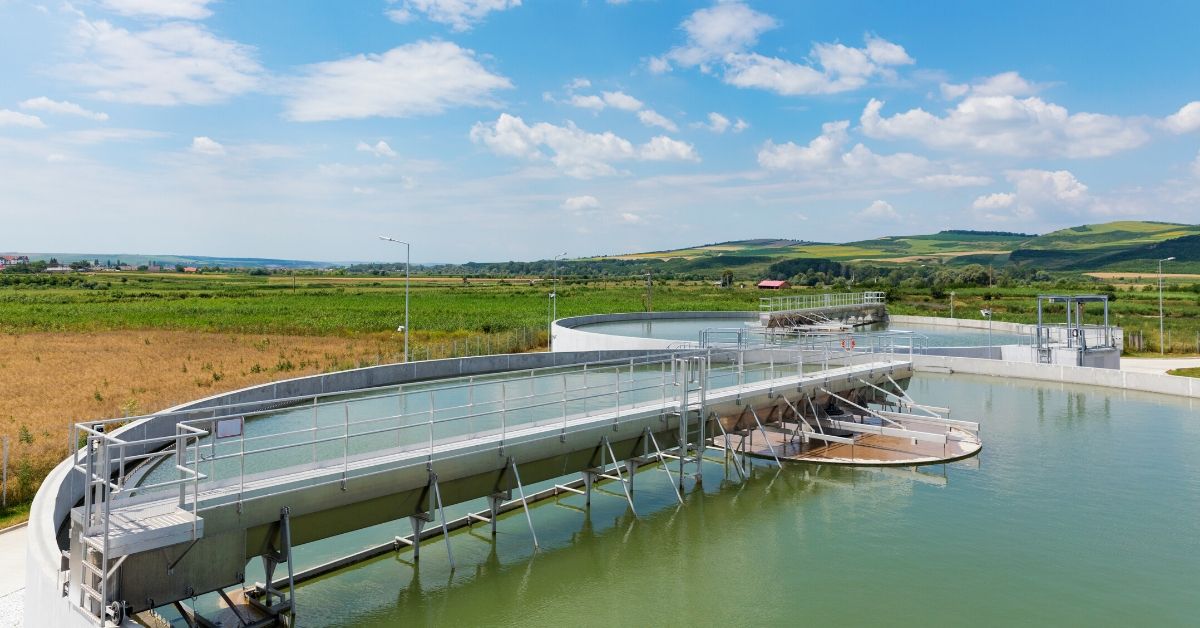
BOD & TSS Treatment in an Industrial Wastewater Facility
Industrial Food & Beverage Wastewater Treatment Plant 0.01 MGD Wastewater treatment plants processing industrial wastewater are often challenged with high biological oxygen demand (BOD) and total suspended solids (TSS)loadings. Specifically, wastewater byproducts from...

Water Clarity Treatment in Freshwater Lake
Freshwater Pond Treatment: 3 Acres, 20 Feet Deep Maintaining good water clarity in freshwater ponds can be challenging, especially during the warmer spring and summer months. Rising water temperatures and increased nutrient availability can promote excessive algae...
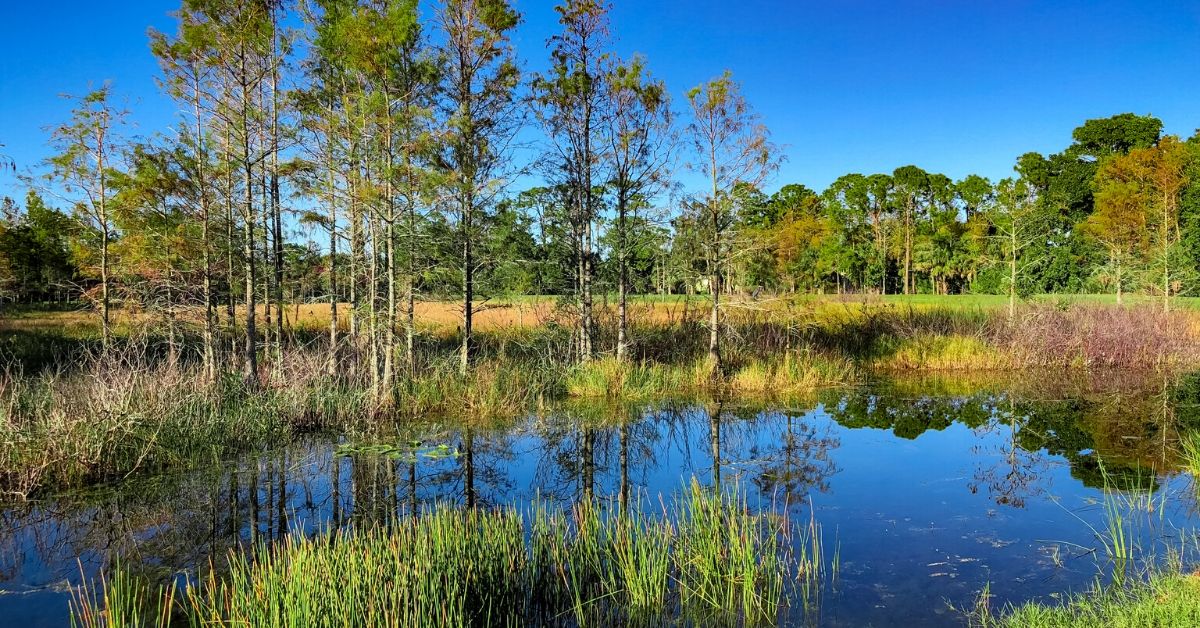
Bioaugmentation Improves Water Clarity in Freshwater Pond
Freshwater Pond Treatment: 1.5 Acres, 6–8 Feet Deep Excessive algae and aquatic weed growth can reduce water clarity and create ongoing maintenance challenges in freshwater ponds. Warm water temperatures, elevated nutrient levels, and high organic matter content can...

Lot 125®
Lot 125® aids in the conversion of fertilizer to complex plant nutrients, helps buffer salts and augments micronutrient availability
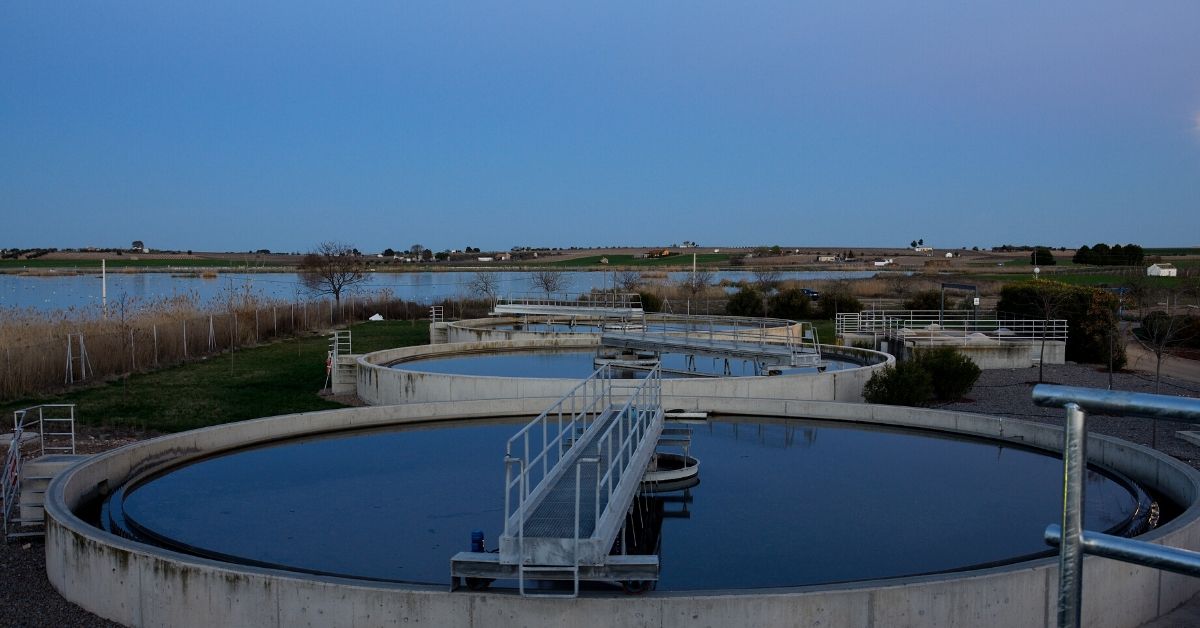
FOG Reduction in Collection System
Collection System 0.8 MGD A growing Wyoming municipality of 10,000 people was having trouble with fats, oils, and grease (FOG) management in their wastewater collection system. The city’s lift stations and main lines were consistently coated with grease. When the lift...

The Biochemical Methane Potential of ProBiotic Scrubber® II
Industrial Membrane Bioreactor Plant 0.01 MGD When starting up a wastewater plant, the biological seed used can influence future treatment efficiency and operational challenges. Domestic activated sludge seeding has potential to introduced unwanted biological and...
Webinar – Solving Nitrification Issues Amid Covid-19
Resident expert, Tanner Hartsock, shares 3 methods that wastewater operators are using to solve nitrification issues during the Covid-19 crisis.
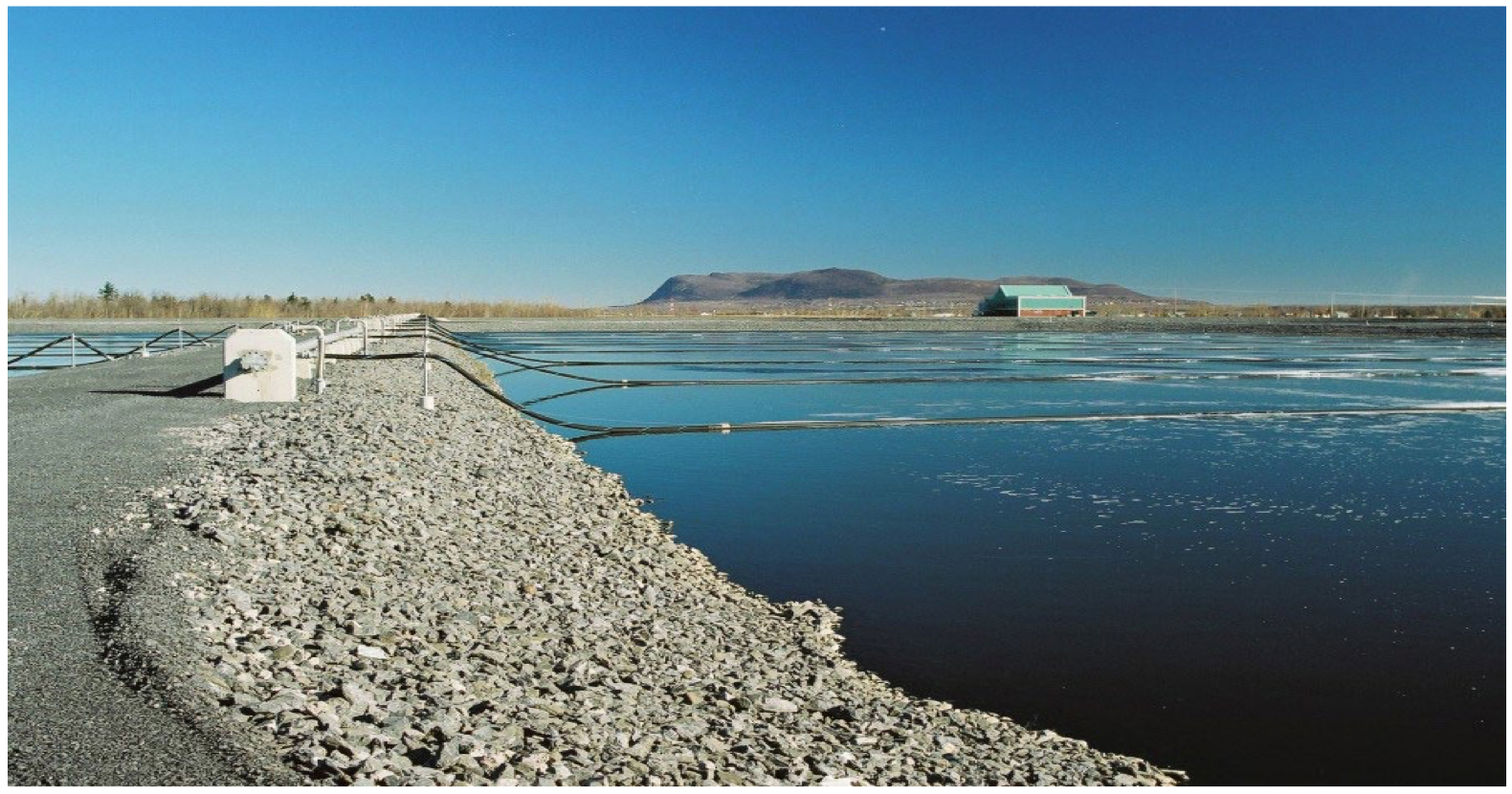
Toxicity Treatment in an Oil Refinery Aerated Lagoon System
An industrial oil refinery in New Mexico used BioLynceus® to restart their biological treatment after a toxic hit. The refinery was processing 50,000 barrels of crude oil a day. Toxicity was experienced in the system after foaming fire retardant was unexpectedly released at the refinery.
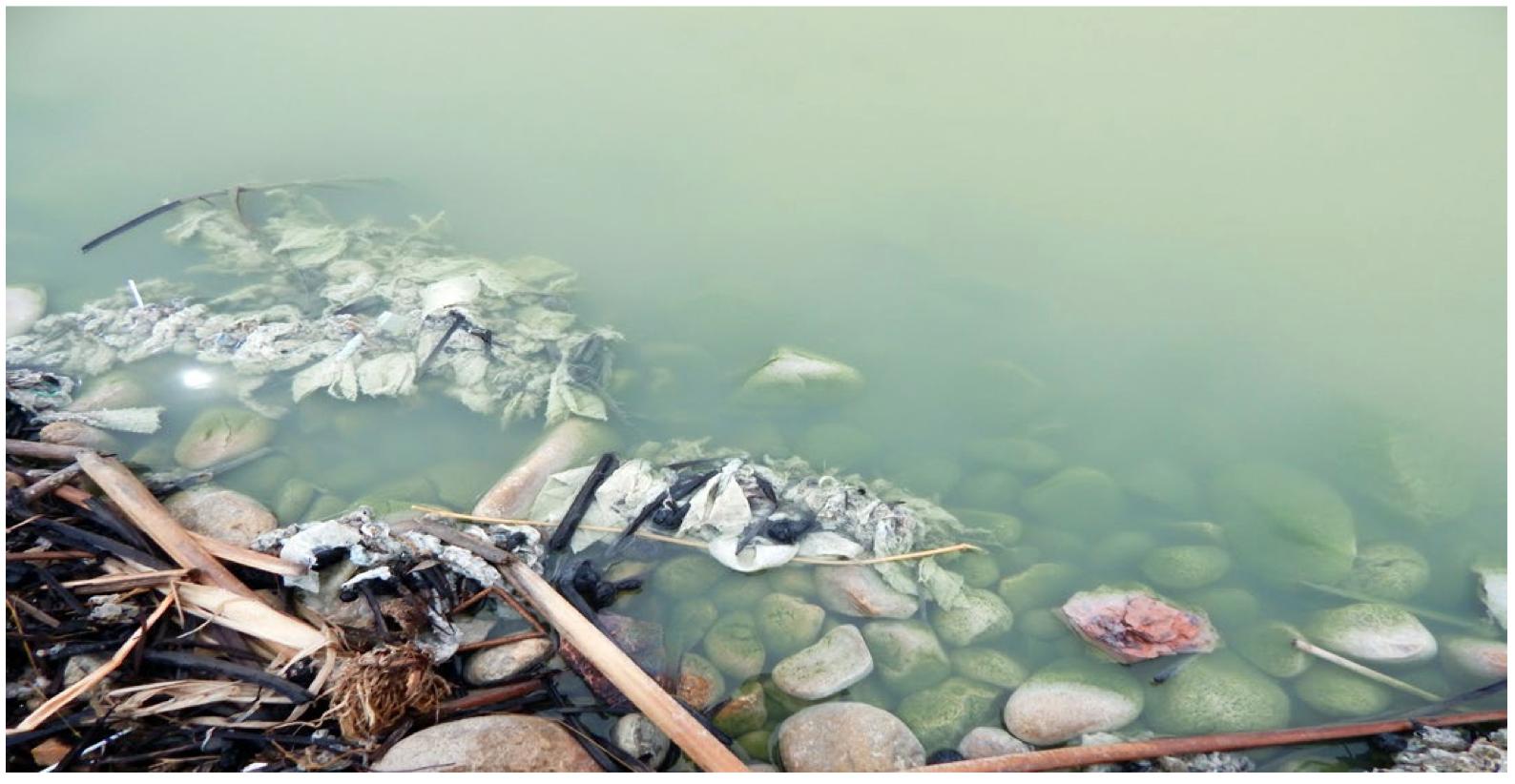
Toxicity Treatment in a Facultative Lagoon System
Lagoon WWTP 0.2 MGD The biology in wastewater lagoons can be significantly impacted by toxic substances introduced from illicit drug manufacturing. Surface waters contaminated with drugs, and the chemicals used to manufacture them, are known to suppress aquatic life,...
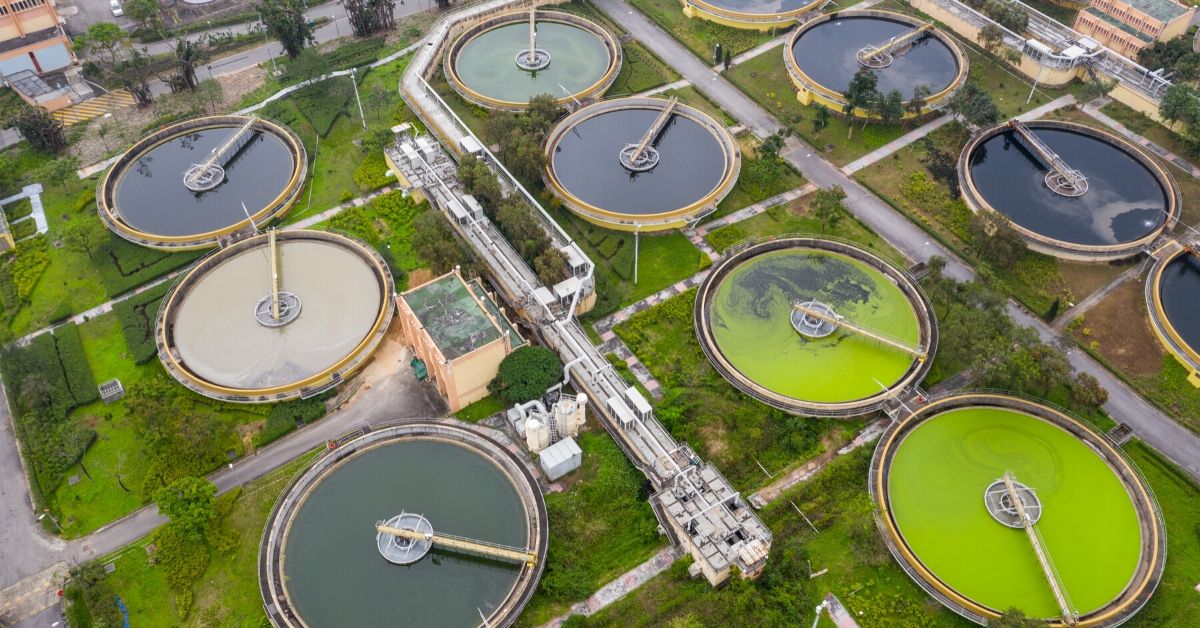
Toxic Hit Recovery at a Mechanical Wastewater Treatment Plant
Wastewater treatment utilities receiving inputs from industrial and anthropogenic sources are highly susceptible to toxic waste inputs. Toxic loads are often sporadic and can be extremely devastating to the biomass in treatment facilities.
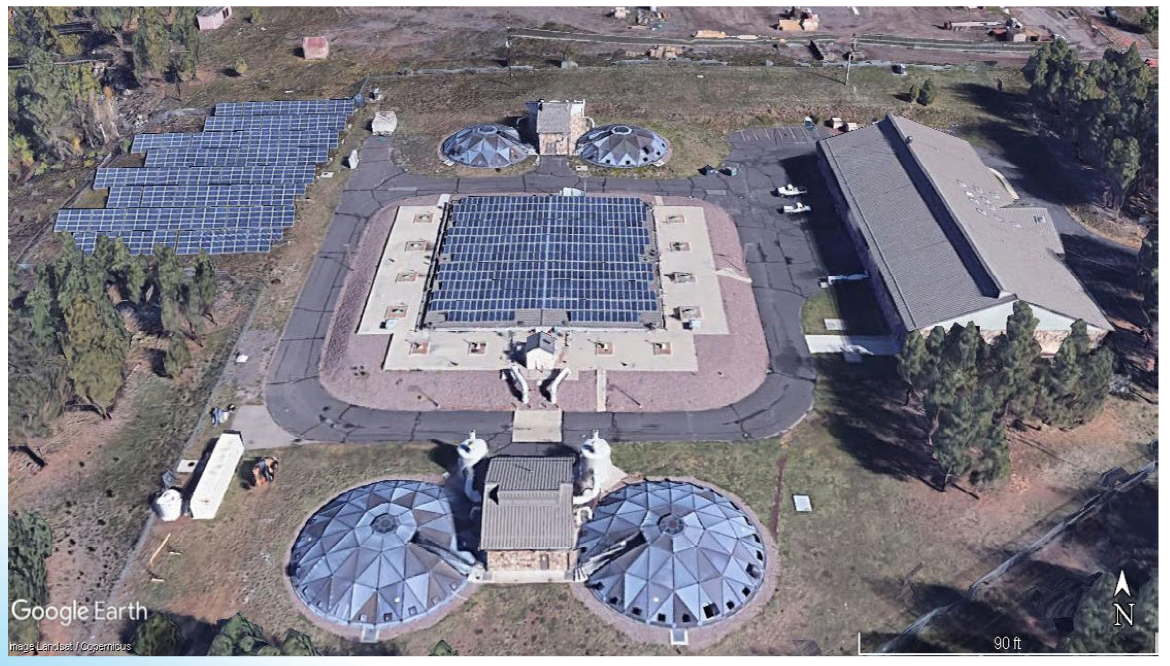
Potential of ProBiotic Scrubber® II
Many wastewater systems experiencing high infiltration and inflow (I&I) have issues with hydraulic overloading which impacts biomass stability. I&I can impair the capacity of the wastewater collection system and wastewater treatment infrastructure.

Lot 125 Case Study
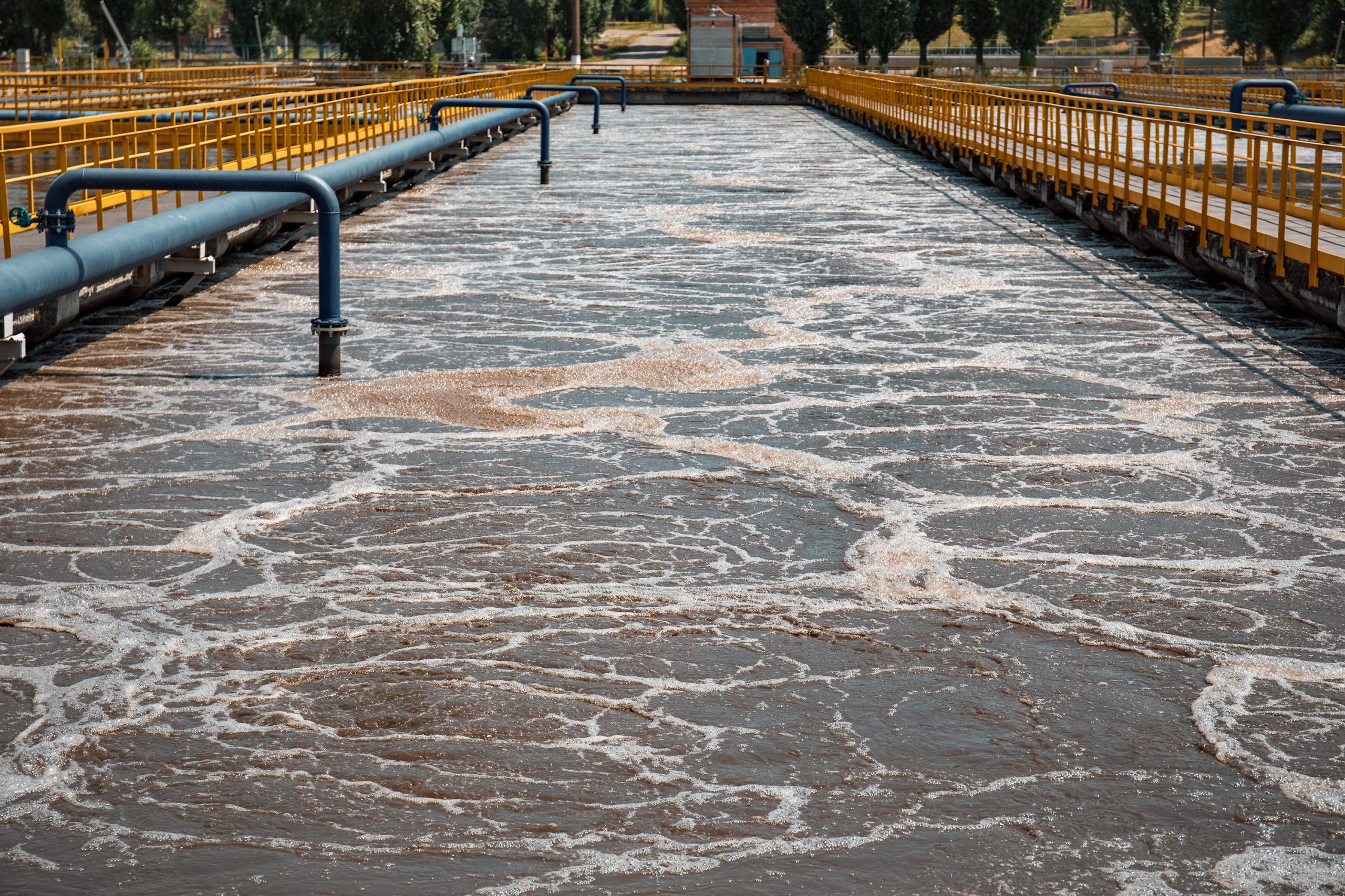
Nitrification Bioaugmentation in an Activated Sludge Process
Mechanical WWTP .2 MGD Augmenting wastewater processes with cultures of nitrifying bacteria can increase abundance and nitrification efficiency correspondingly. Additionally, implementing organic matter degrading microbiology in a system can increase the time...
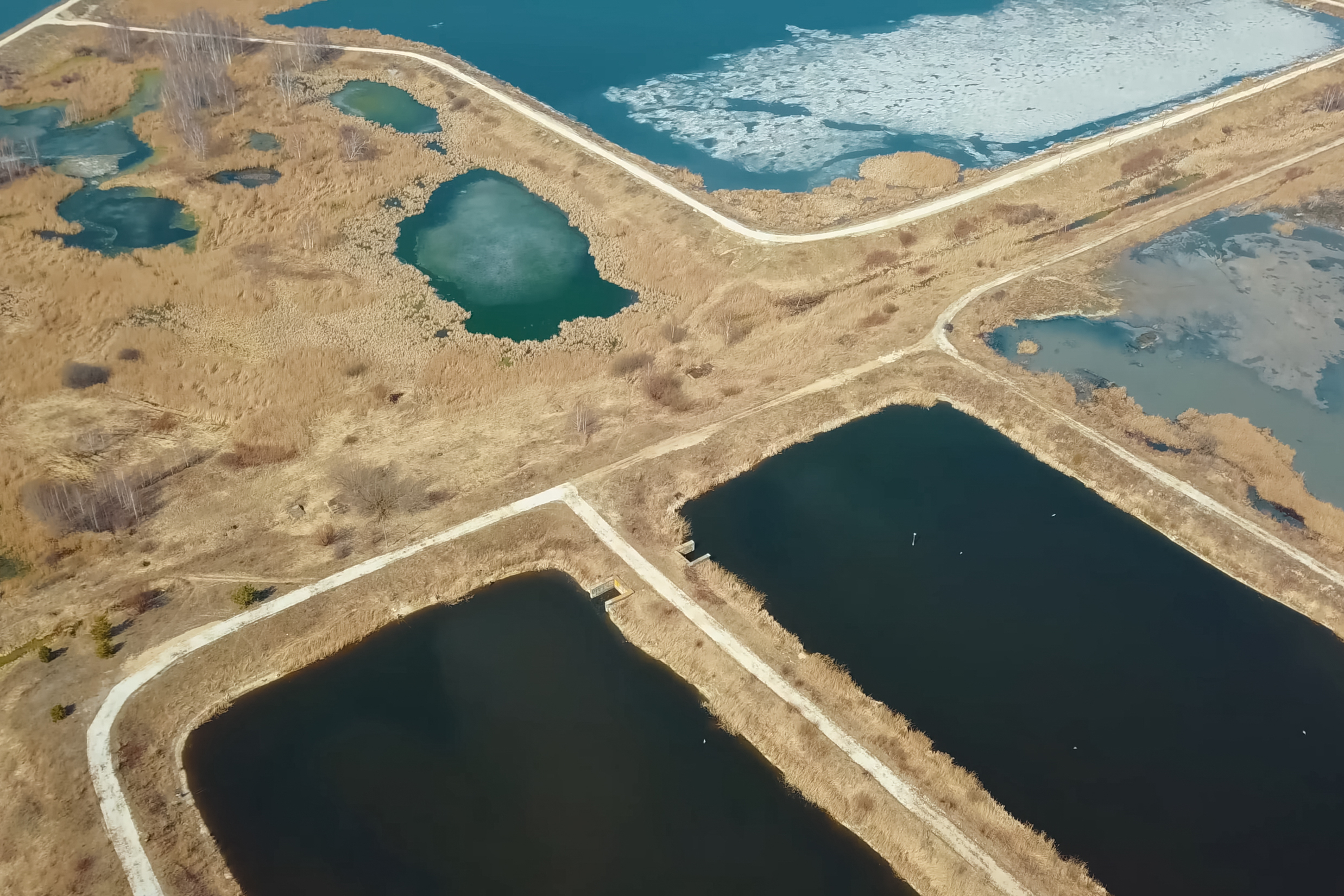
Nitrification Treatment in an Aerated Lagoon System
Lagoon WWTP 0.2MGD Municipal Lagoon systems are often challenged with facilitating nitrification. Nitrifying bacteria are responsible for removing ammonia from wastewater. These organisms are generally in low abundance in lagoon processes for a few reasons; [1]...
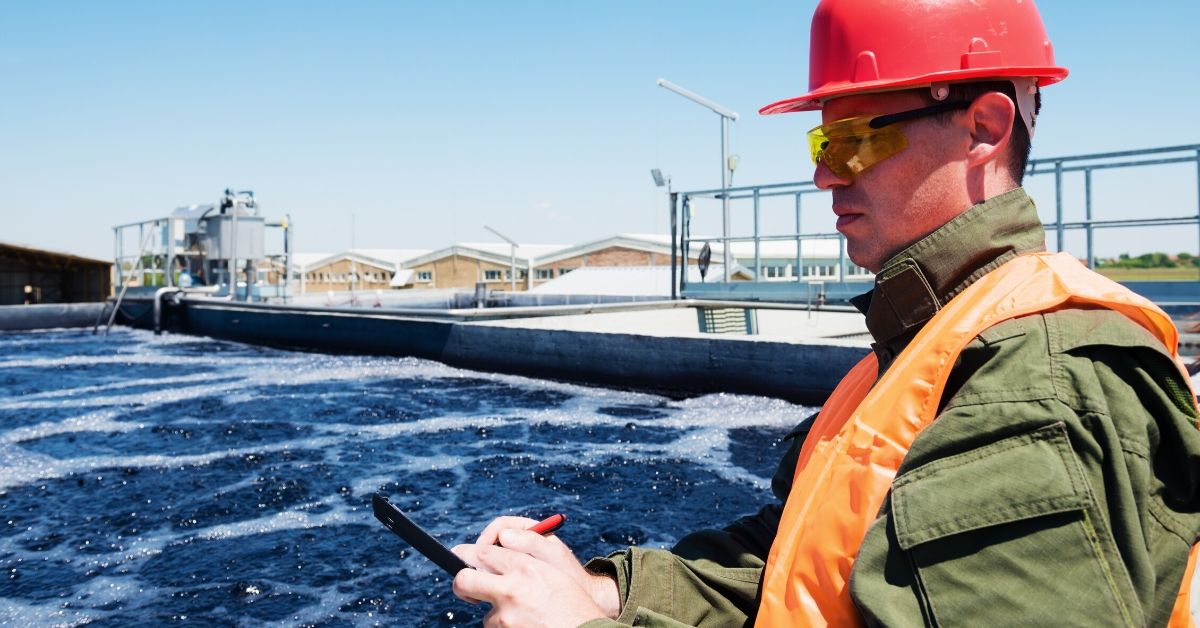
Nitrification with ProBiotic Scrubber® N in an Activated Sludge Plant
Mechanical WWTP .22 MGD An effective activated sludge system has the capacity to remove ammonia from influent wastewater via nitrification. Several factors impacting efficient ammonia and nitrite oxidation in wastewater treatment include, temperature, and abundance of...
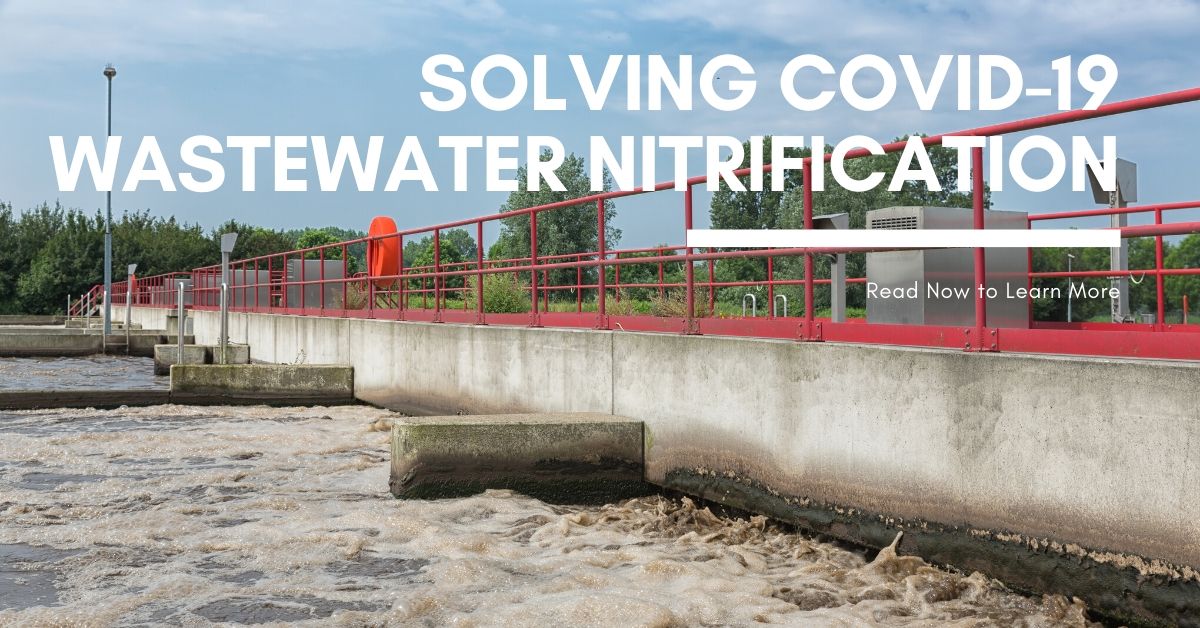
Wastewater Nitrification Amid COVID-19
Are your effluent ammonia levels increasing? We are hearing reports of nitrification challenges and other issues from wastewater operators. A possible cause may be an increase in disinfectants and sanitizers being flushed at hospitals, nursing homes, businesses,...

Treating Anaerobic Soils
When the soil environment is contaminated it can create an area known as “black layer.” We see this often in turf grass, where the tendency is to over-water the top of the plant, making the soil unhealthy with an anaerobic area.
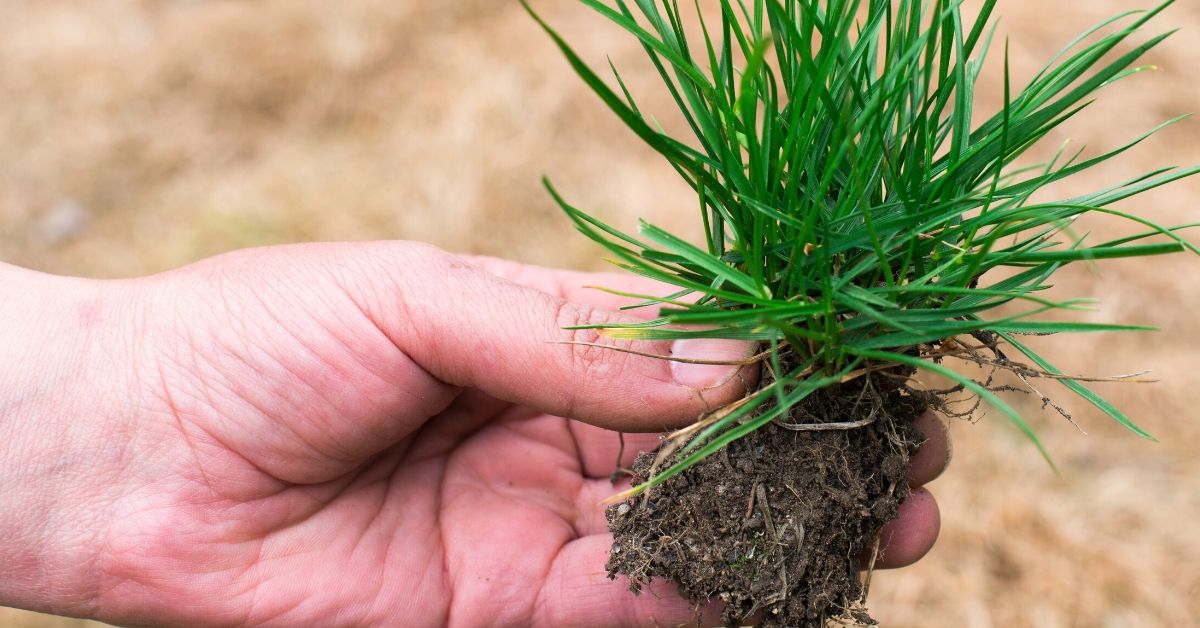
How to Develop Healthy Root Zones Through Good Soil Management
There is still much unknown in the relationship of roots and microbes because of the complexity of this symbiotic relationship.
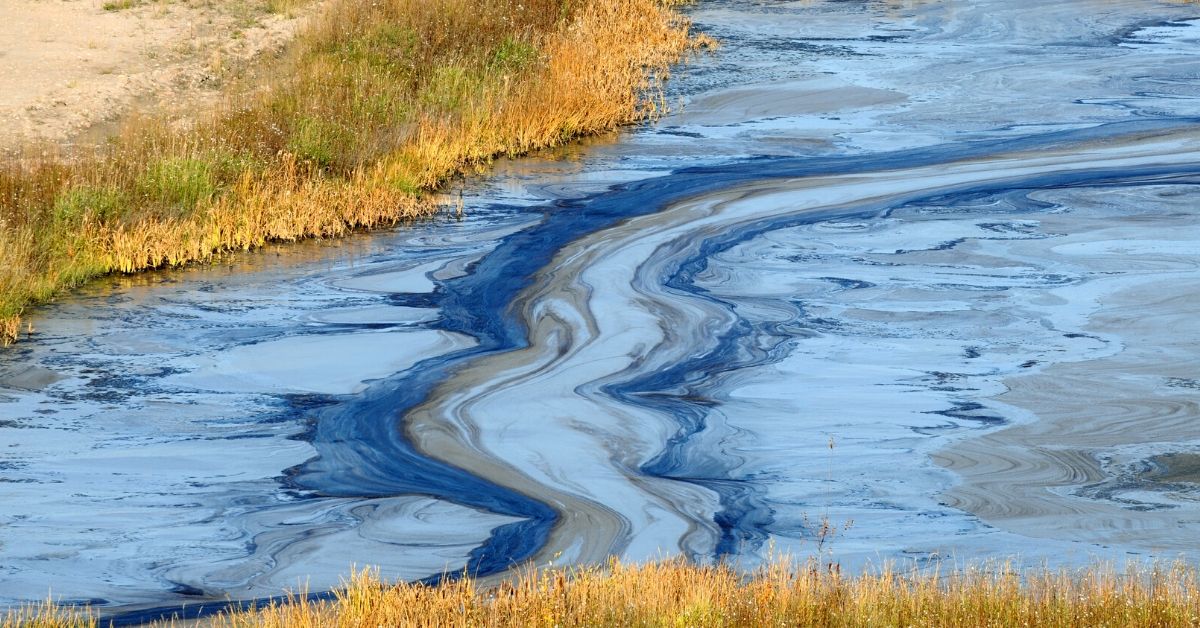
Hydrocarbon Remediation for Plant Health
Many top soil scientists warn that soil fertility is far more complex than the practice of using the soil for a matrix to hold up the plant into which chemical nutrients are added to “spoon-feed” the plant while other chemicals are added to the soil and plant to kill harmful pests.
Revegetation and Plant Development In Disturbed Terrain
Restoring Disturbed and Mined Lands Disturbed soils and mined lands often present difficult conditions for erosion control, reclamation, and revegetation. The chemical, physical, and biological properties of disturbed soil and mine tailings may be poorly suited for...
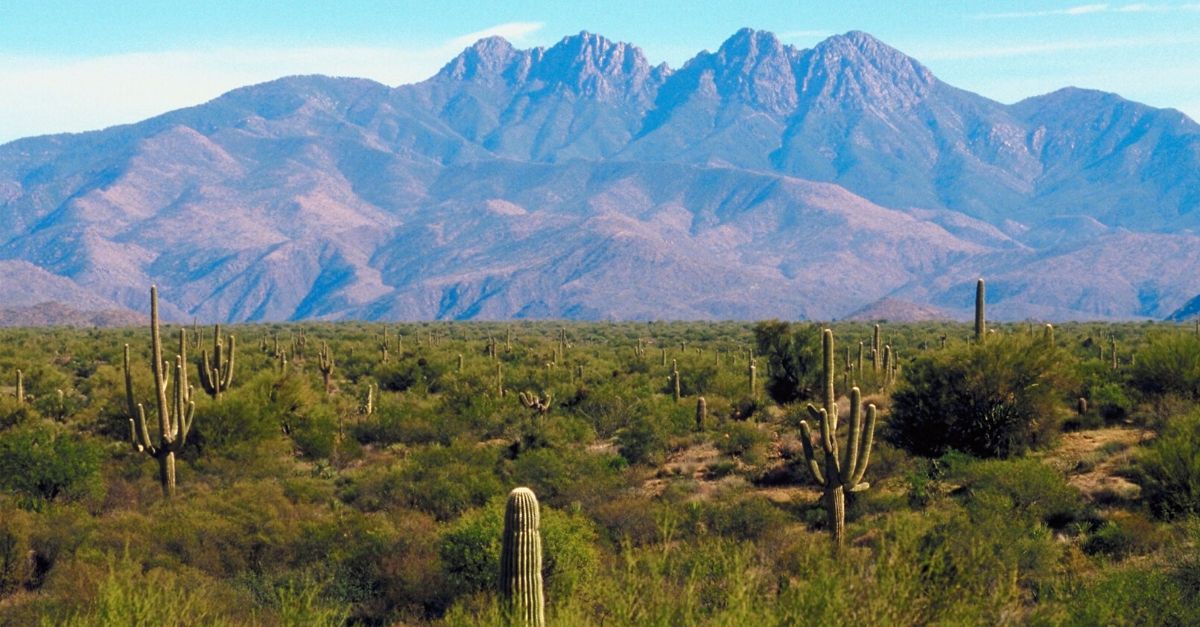
Copper Tailing Revegetation
Restoring Disturbed and Degraded Soils Disturbed soil environments can be extremely difficult to restore because their physical, chemical, and biological properties are often out of balance. BioLynceus® has worked with a variety of challenging sites, including: Mining...
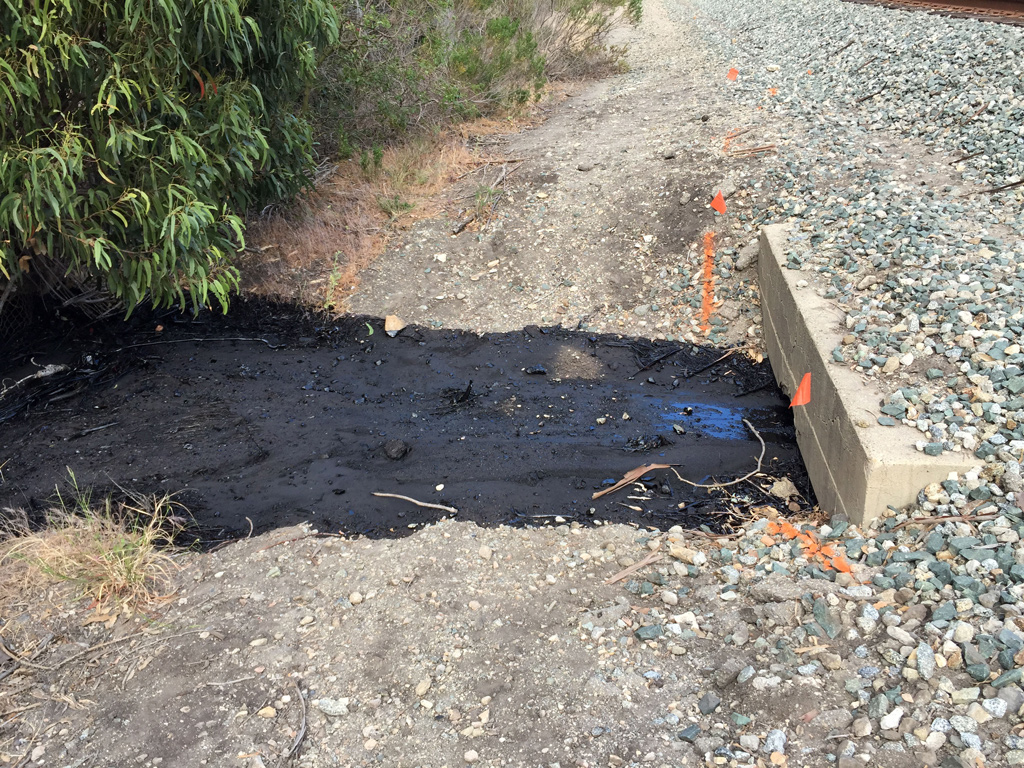
How to Clean Soil Containing Toxic Petroleum Compounds
BioLynceus™ is committed to discover natural processes enhanced by organic-based products to reduce pollution and contamination effectively and economically.
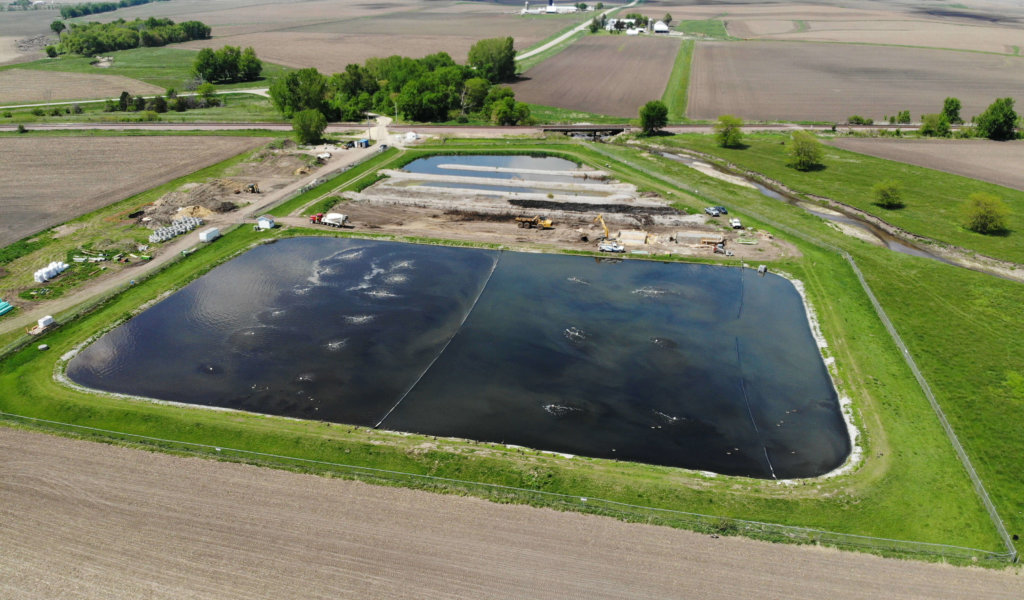
Nitrification of Municipal Lagoon Systems
Municipal Lagoon systems are often challenged with facilitating nitrification. Nitrifying bacteria are responsible for removing ammonia from wastewater. These organisms are generally in low abundance in lagoon processes for a few reasons; [1] nitrification is an...
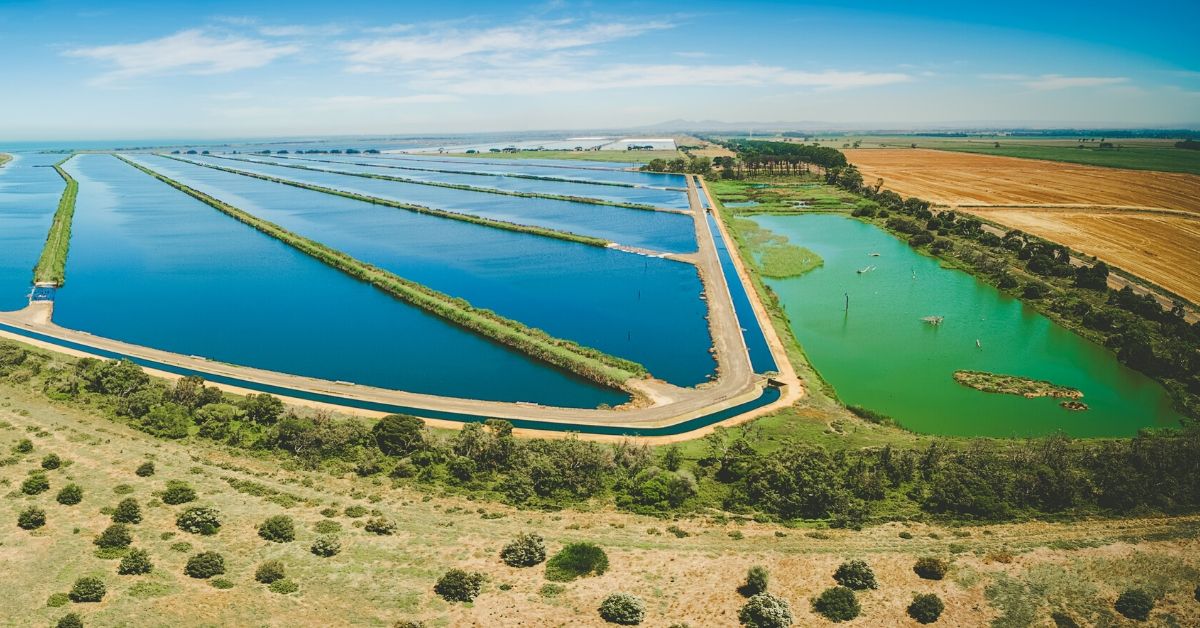
ProBiotic Dredging Explained
ProBiotic Dredging® Explained ProBiotic Dredging® is a proprietary process utilized by BioLynceus® to remove organic materials from fresh water lakes, ponds, wastewater lagoons and waste handling systems. For over twenty five years, BioLynceus® has been working...
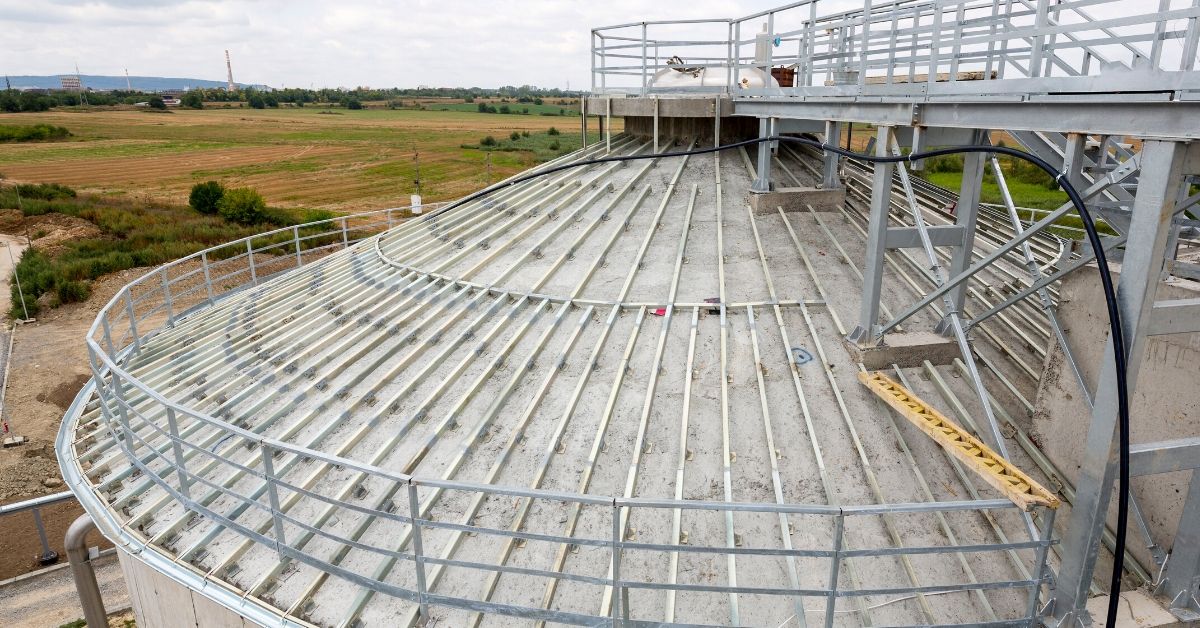
How Do Wastewater Plants Remove Solids From A Digester?
When the wwtp process experiences difficulty in breaking down the solids an alternative is to have the solids removed. This often includes a third party who is qualified to handle the cleaning and removal of solids out of the digester.
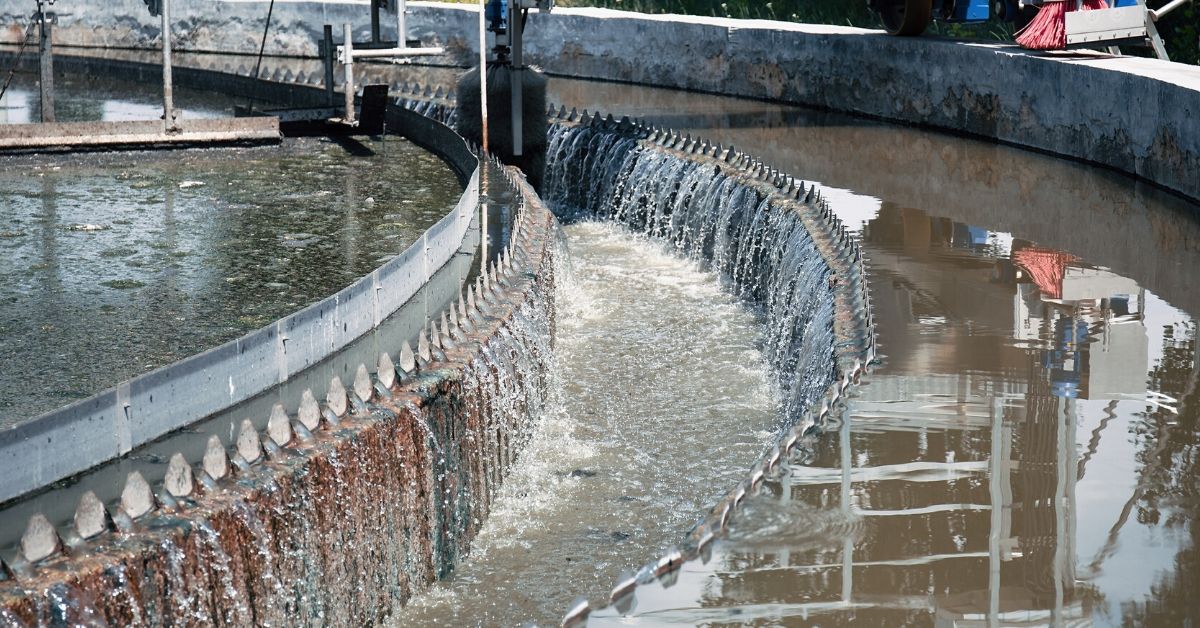
Solids Handling and BioSolids Management
Wastewater Operator Training for Solids Handling and Sludge Management Managing wastewater sludge and residual solids is an ongoing operational and financial challenge for wastewater treatment professionals. BioLynceus® provides training for wastewater treatment...